
Last updated September 22, 2026
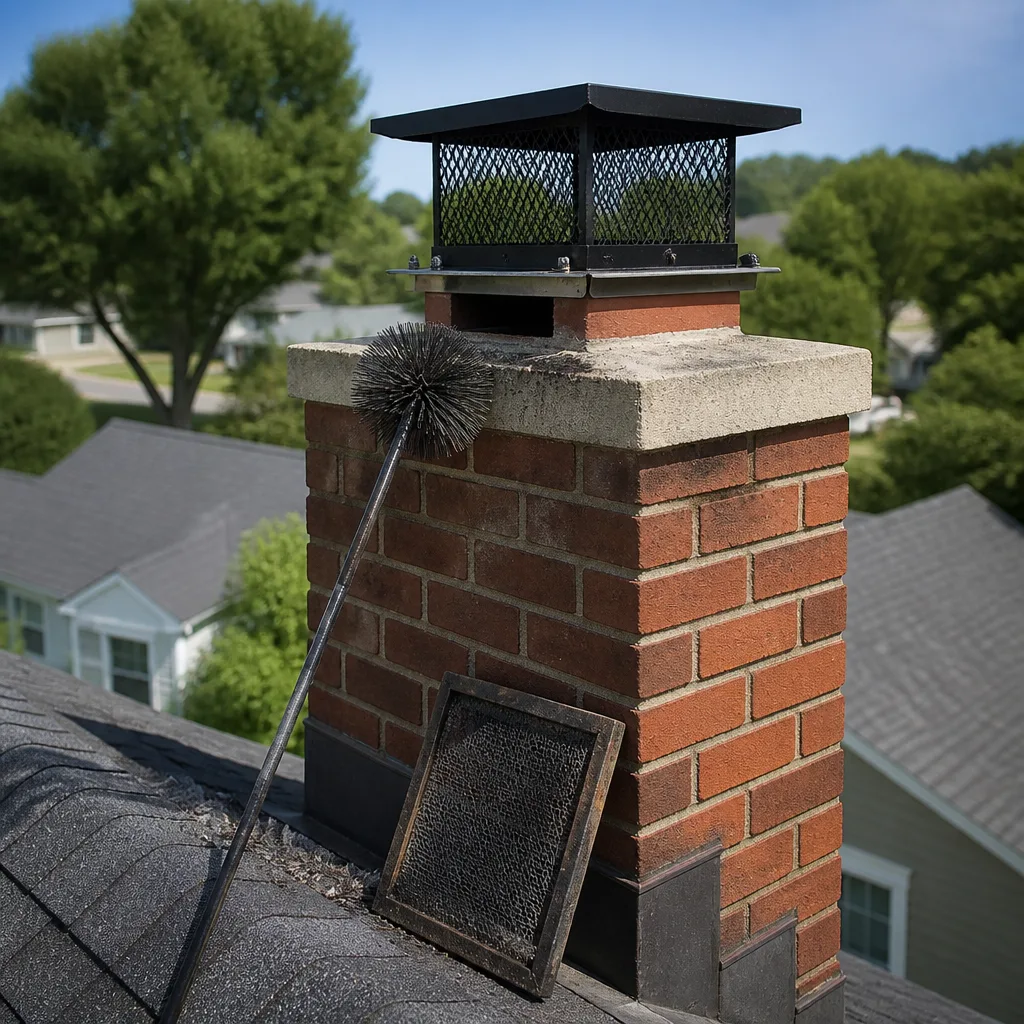
Level 1 sweep and inspection to the NFPA 211 annual standard - flue, crown, cap, and flashing checked and photographed
Chimney sweep logs do not sweep chimneys. They loosen some creosote - which then falls where a brush and vacuum still have to collect it.
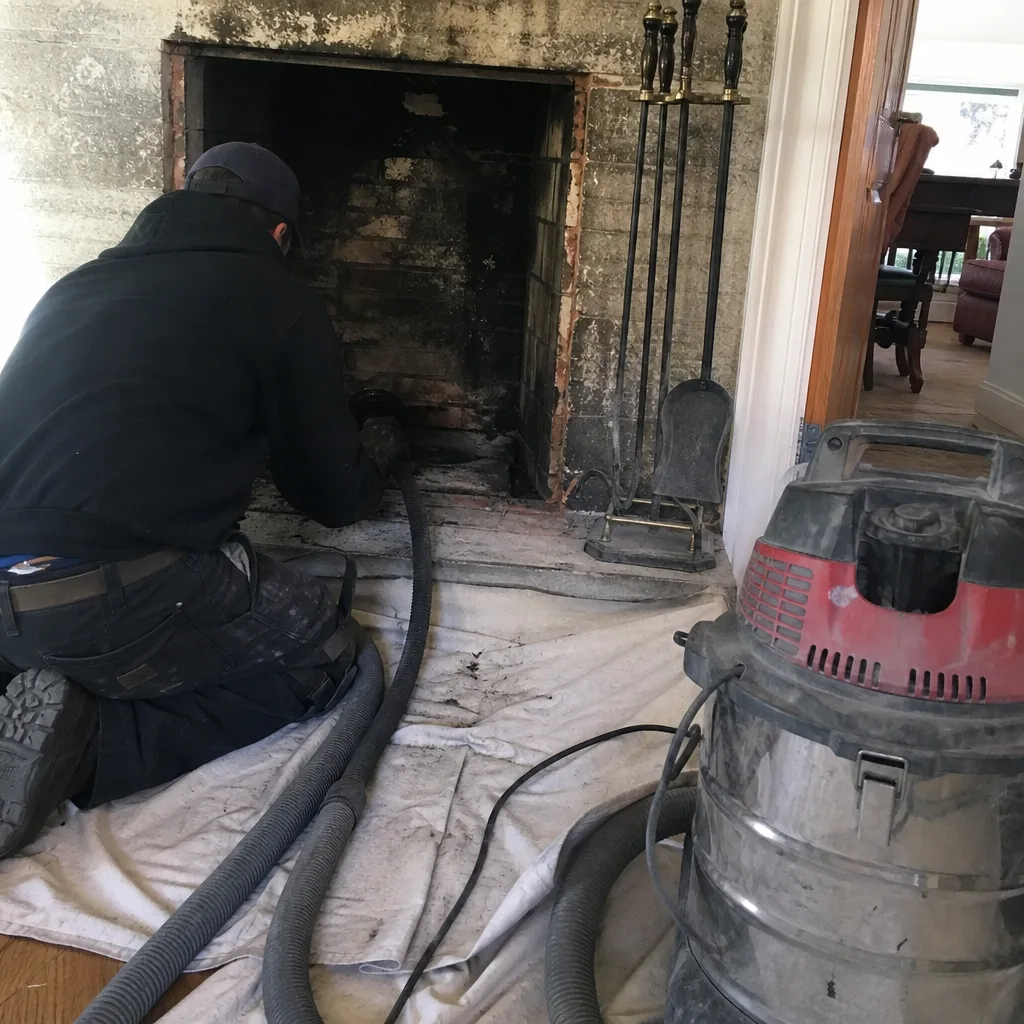 Before
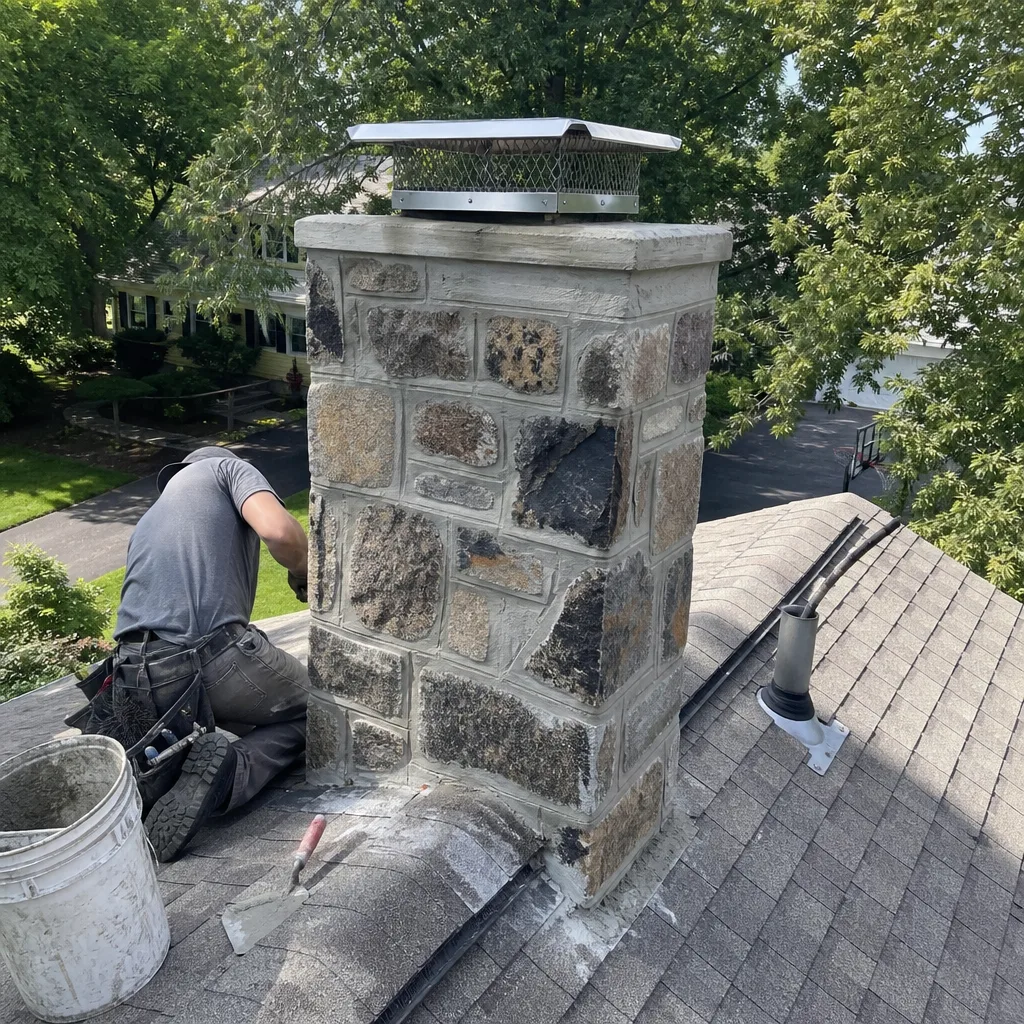 After
After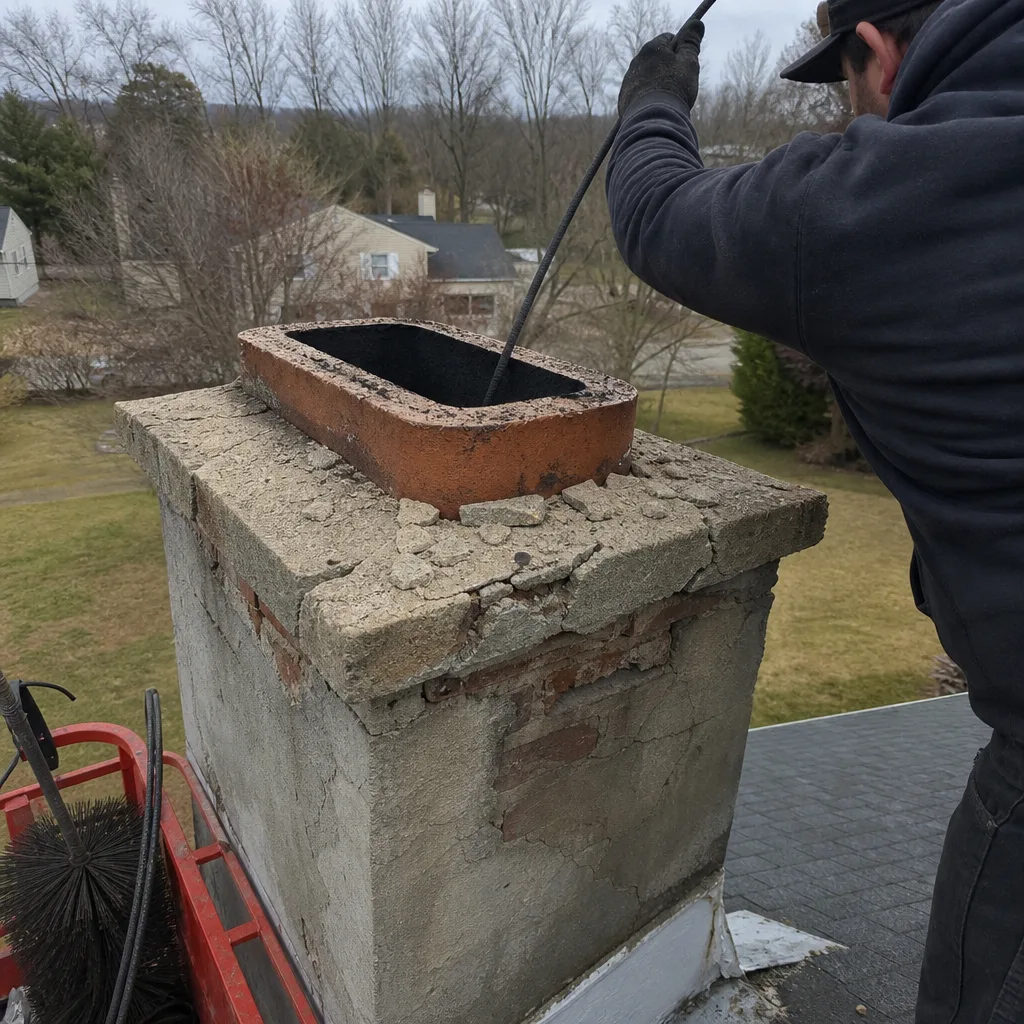 Before
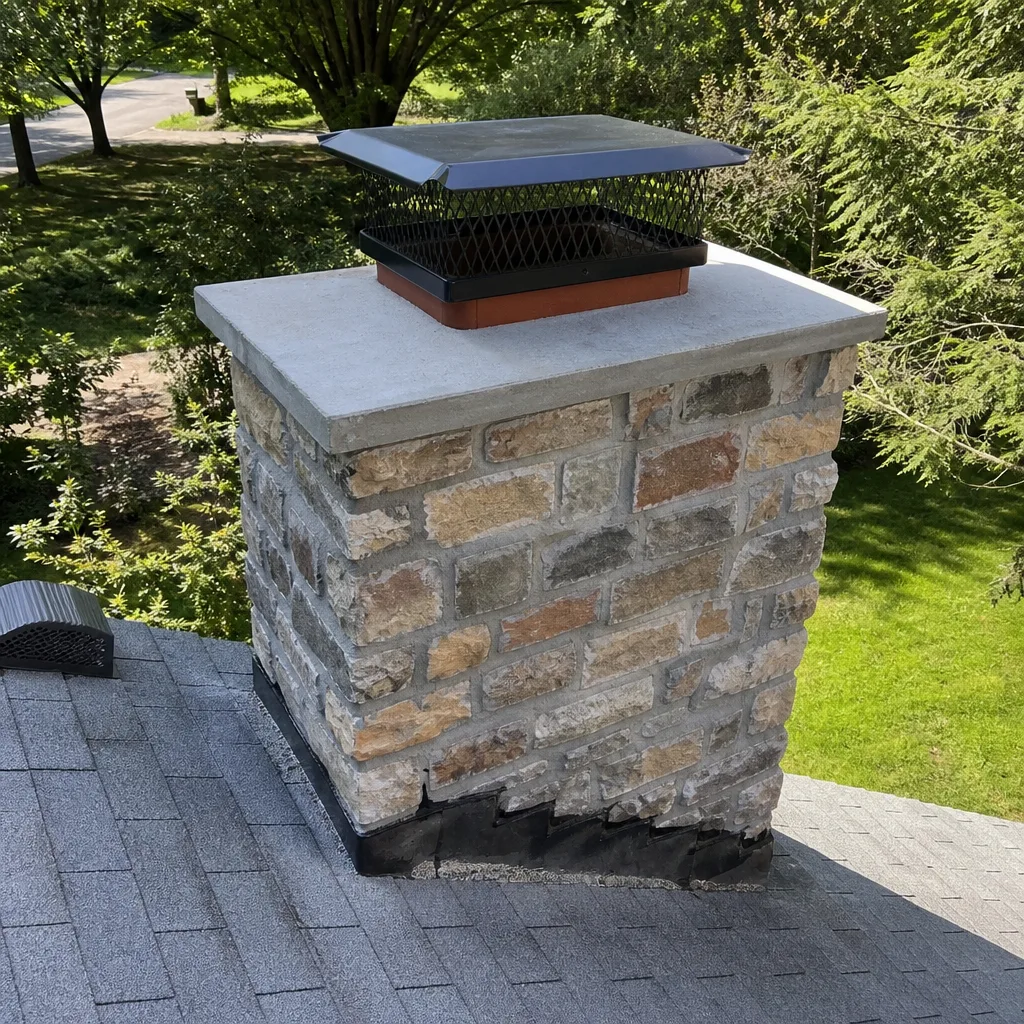 After
After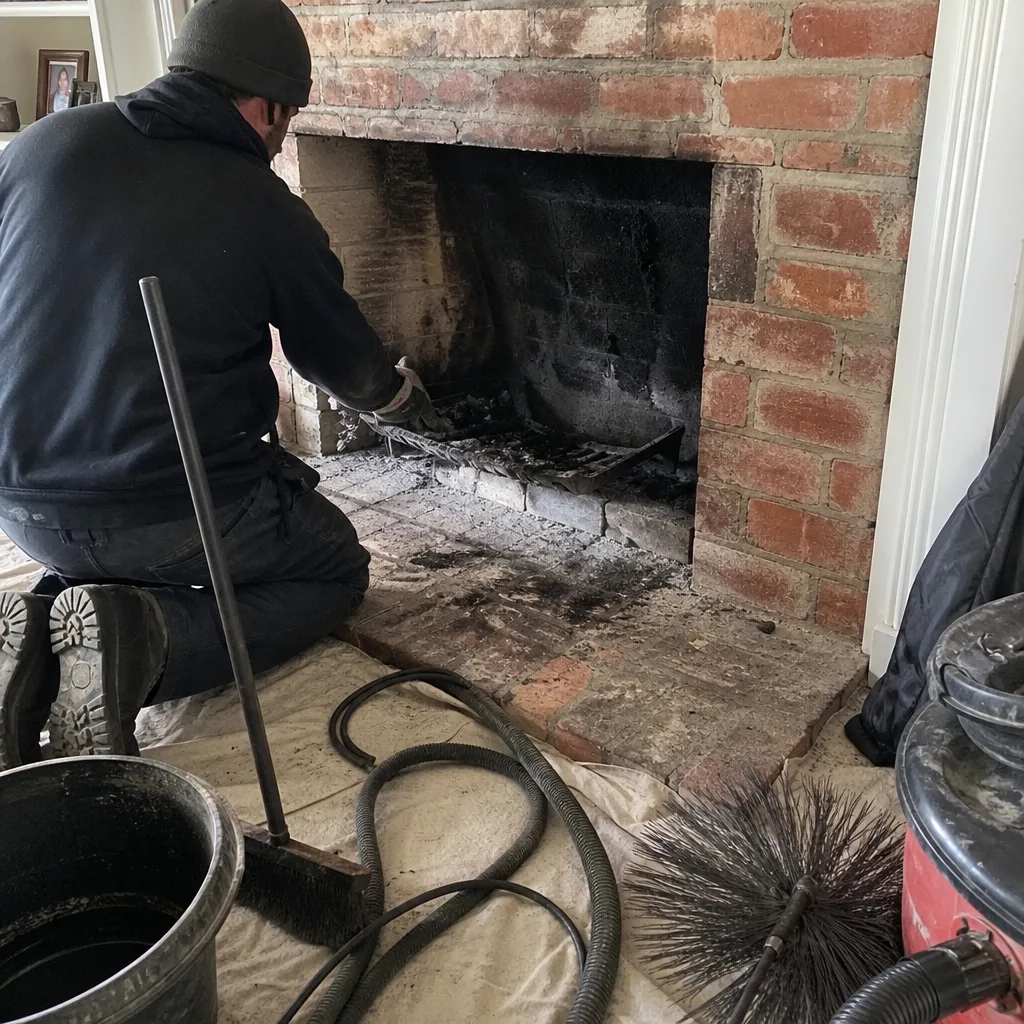 Before
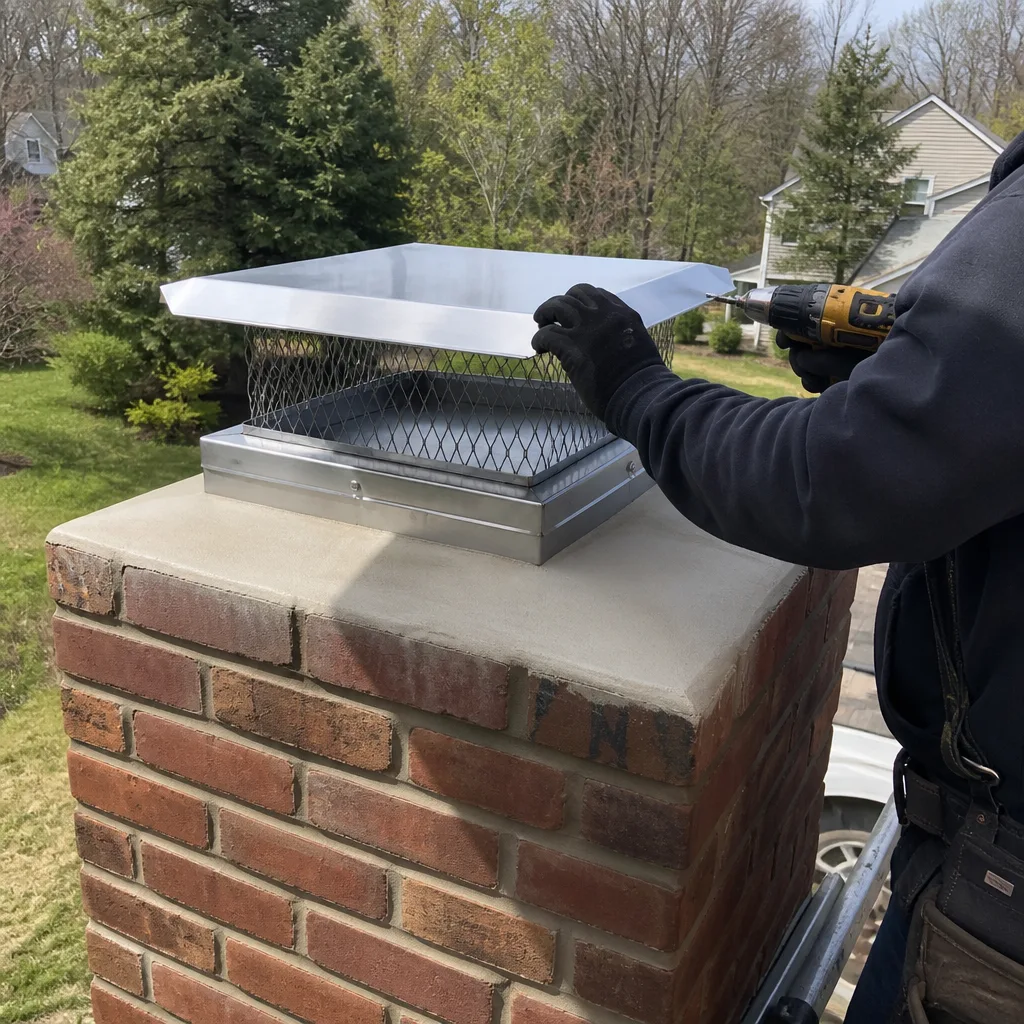 After
AfterChimney Cleaning & Sweep Maintenance Checklist for Lansdale Homeowners
Most chimney checklists tell you to “inspect annually” and stop there. That’s a calendar reminder, not a maintenance plan. In Lansdale, where freeze-thaw cycles from late October through March can turn a hairline crown crack into a $2,400 rebuild in a single season, homeowners need a condition-linked checklist that separates what they can verify from the roofline from what requires a camera, a trained eye, and a written record. We’ve completed more than 38,000 chimney inspections since 2009, and the homeowners who keep the best records, stay ahead of the worst surprises. This guide gives you the same itemized protocol our technicians use, adapted for what you can safely check yourself and what documentation you should demand when the pro leaves. For more guides & resources, see our blog.
Quick Answer
A complete chimney maintenance checklist for Lansdale homeowners includes four owner-observable roofline checks (crown, flashing, cap, and efflorescence), fuel-specific flue maintenance protocols, seasonal logging in a physical chimney file, and a post-service report with photo documentation of liner condition, smoke chamber integrity, and creosote classification. Professional Chimney Cleaning & Sweep services are needed annually for wood-burning systems and every two to three years for gas, with immediate inspection after any chimney fire, liner event, or significant seismic or weather impact.
Table of Contents
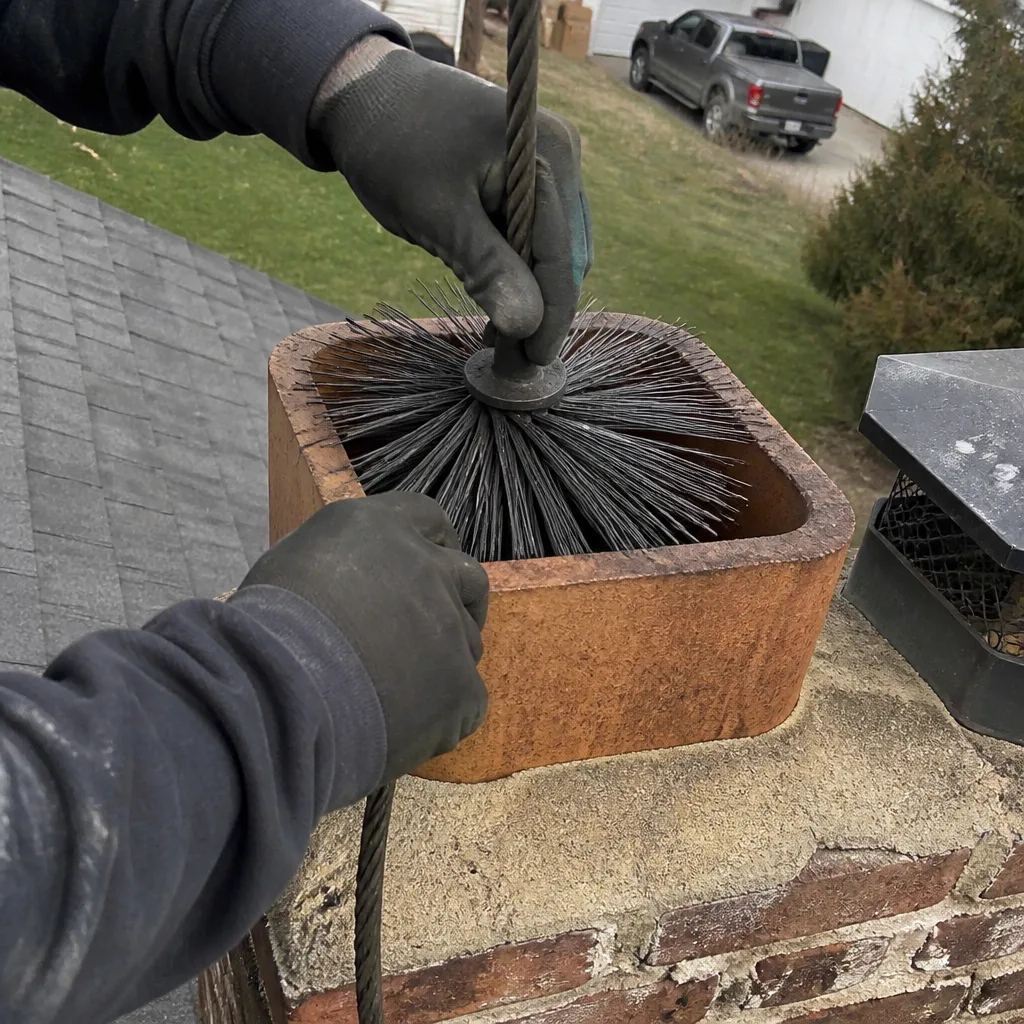
- The Four Roofline Checks Every Lansdale Homeowner Can Do
- Fuel-Specific Checklist Items: Wood vs. Gas vs. Pellet
- Seasonal Logging and the Physical Chimney File
- Sweep-Only Checkpoints: What You Can’t See and Why It Matters
- Montgomery County-Specific Concerns: Freeze-Thaw and Spalling
- What “Passed Inspection” Should Mean on Paper
- The Lansdale Homeowner’s Maintenance Schedule
- Common Mistakes to Avoid
- When to Call a Professional
- Frequently Asked Questions
- The Bottom Line
 Before
 After
AfterThe Four Roofline Checks Every Lansdale Homeowner Can Do
There are exactly four things a homeowner can verify at the roofline with binoculars before any sweep arrives. Confirming them takes less than three minutes but changes the conversation you have when the truck pulls up. These checks require no ladder, no tools, and no special training. What they require is knowing what “normal” looks like so you can spot deviation early.
1. Crown Condition
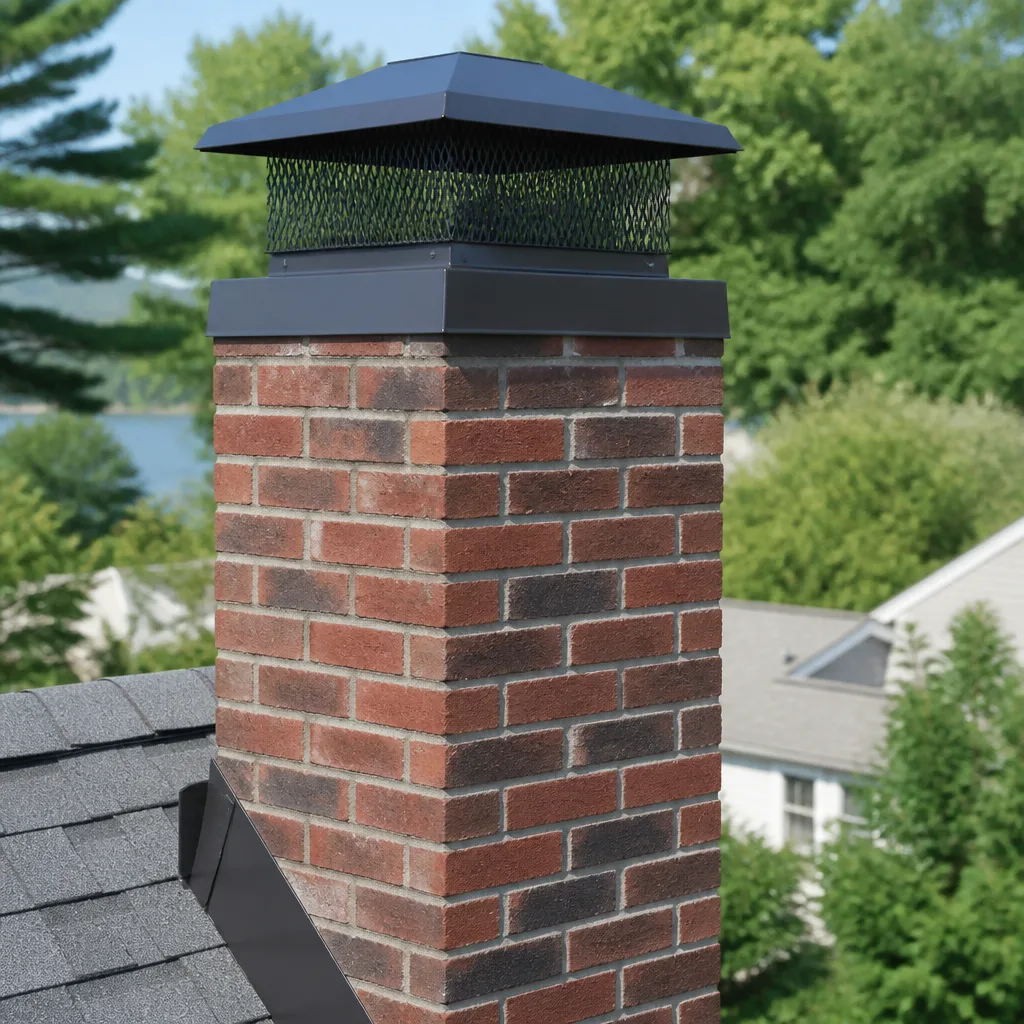
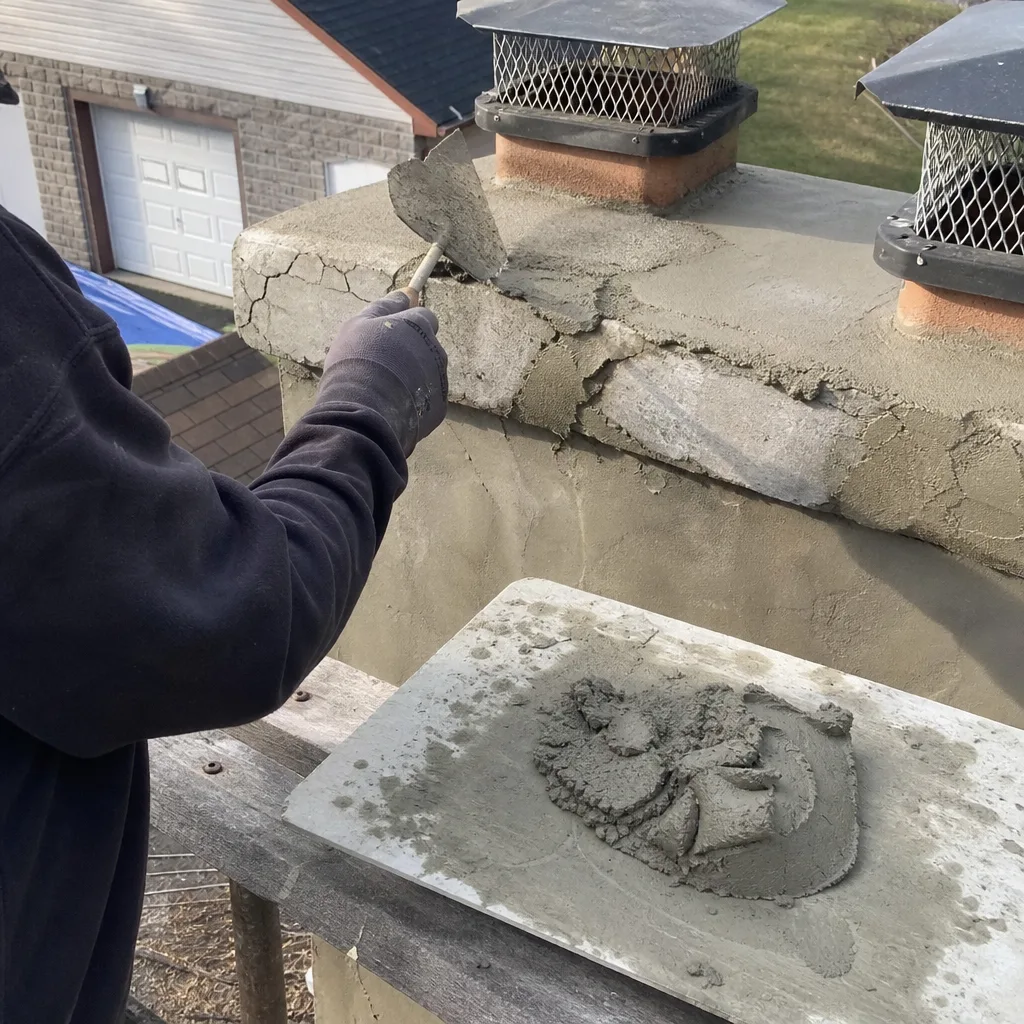
The crown is the concrete or mortar cap that seals the top of your chimney, sloped to shed water. In Lansdale, where we average 47 inches of precipitation annually and winter temperatures swing from single digits to the 50s, crown deterioration is the leading cause of accelerated masonry failure we see in Montgomery County homes.
Stand at ground level with binoculars and look for:
- Cracks wider than a nickel that run through the crown material, not just surface crazing
- Missing chunks or spalling at the edges where the crown overhangs the brick
- Ponding or discoloration that suggests the slope has flattened
- Gap between the crown and the flue tile (the “wash” should seal tight to the flue)
A sound crown sheds water. A compromised crown funnels it into the masonry, where freeze-thaw expansion does the rest. If you spot any of the above, note the date and the specific location. That note becomes the baseline for comparison at your next check.
2. Flashing Gap
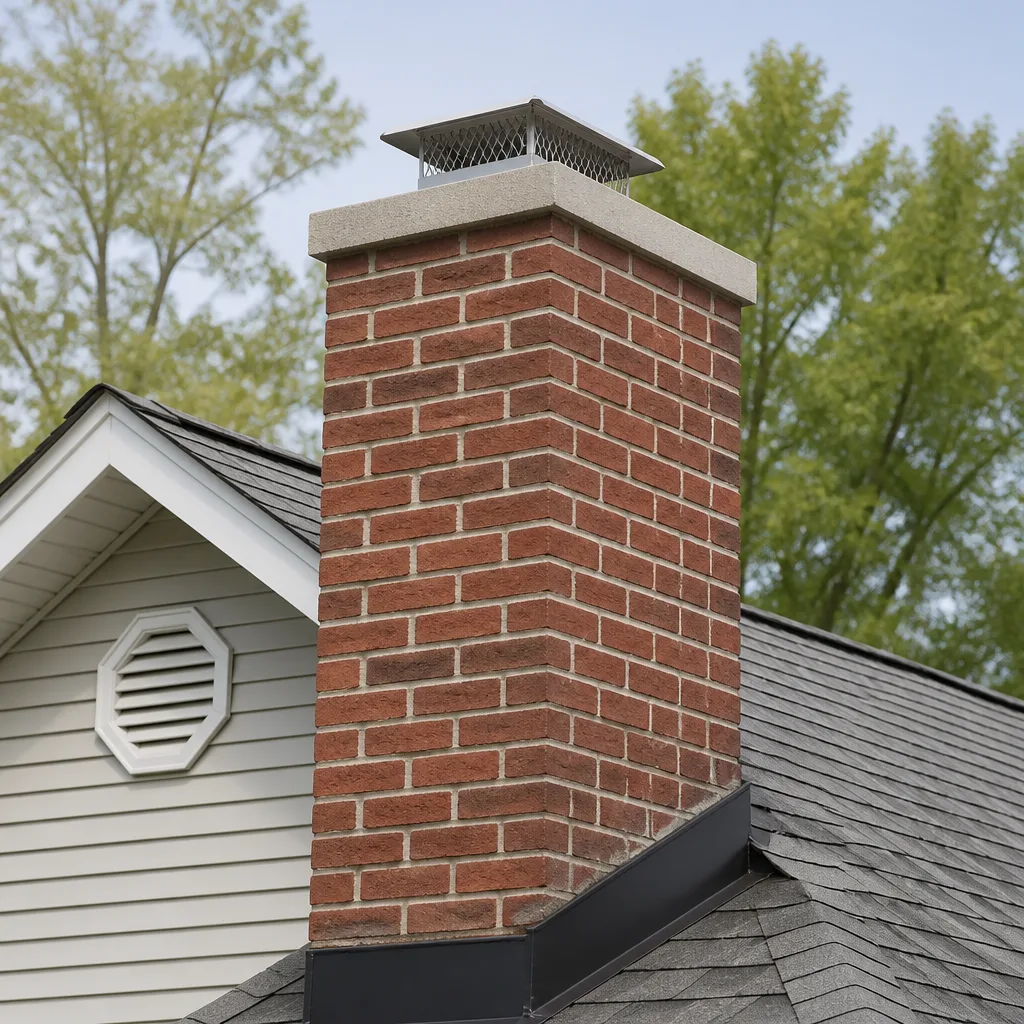
Flashing is the metal joint where the chimney meets the roof plane. It’s the most common leak point in Lansdale homes built between 1950 and 1990, when step-flashing practices were inconsistent and counterflashing was often omitted entirely.
Look for:
- Lifted or separated metal tabs where the flashing meets the brick
- Rust streaks running down the masonry below the flashing line
- Gaps visible from the ground, especially after high wind events
- Interior water stains on the ceiling directly beneath the chimney stack
Flashing repair is not a sweep task, but a sweep worth hiring will flag it in writing and photograph it. If your sweep doesn’t mention flashing condition, ask why.
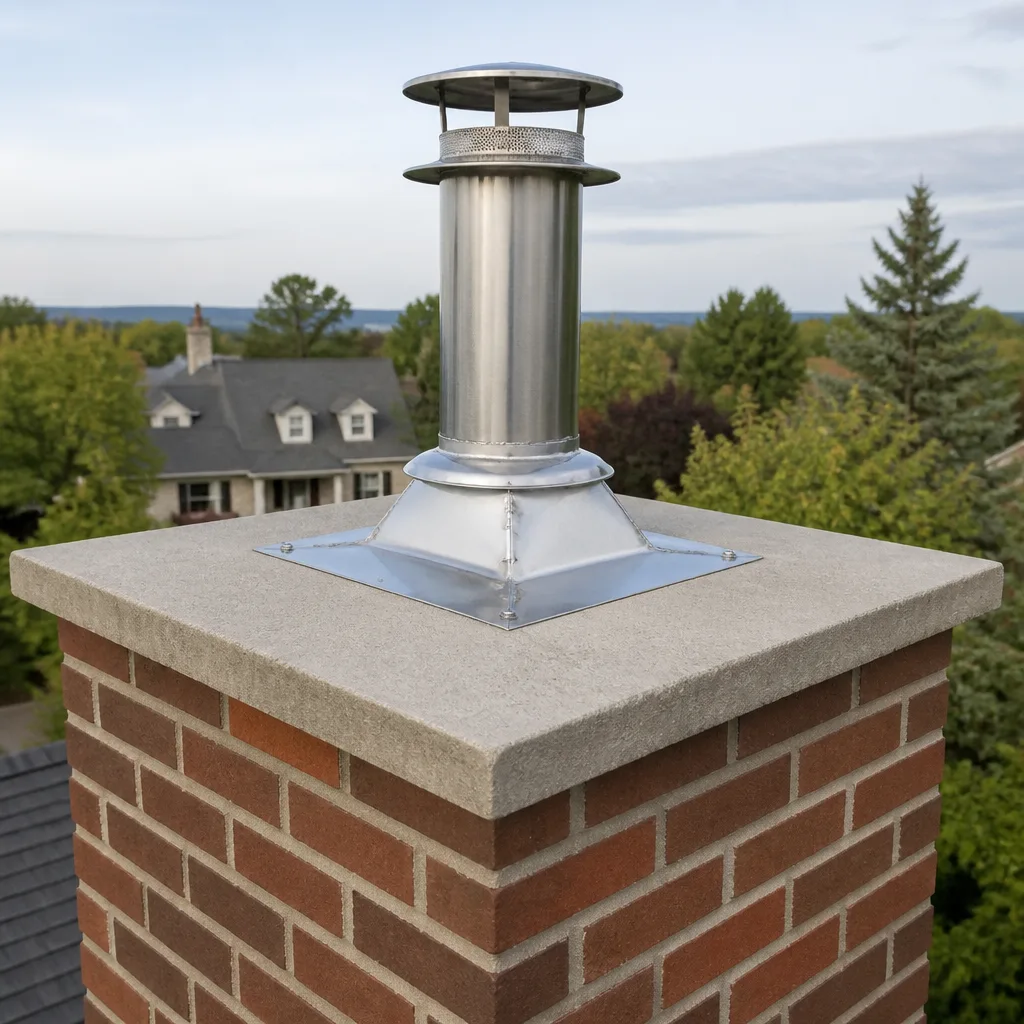
3. Cap Screen Integrity
The chimney cap keeps rain, animals, and debris out of the flue while allowing exhaust to escape. In Lansdale’s mature neighborhoods, like those off Main Street and in the Stony Creek corridor, we see heavy squirrel and raccoon pressure, particularly in homes with overhanging oak and maple canopies.
Check for:
- Mesh screen with openings no larger than 3/4 inch (larger gaps admit animals)
- Rust holes or separation where the screen meets the cap frame
- Cap displacement after wind events, common in exposed ridge-line homes
- Visible nesting material at the flue opening
Missing or damaged caps are the fastest path to blocked flues and carbon monoxide backup. They’re also the cheapest preventive fix in chimney maintenance.
4. Visible Efflorescence
Efflorescence is the white, powdery deposit of salts that leaches from masonry when water moves through it. It’s not merely cosmetic in Lansdale’s climate. It’s evidence of active water intrusion, and in homes with original lime mortar, it signals that the mortar is being chemically depleted.
Look for:
- White staining concentrated on the south- and west-facing exposures (freeze-thaw is most severe here)
- Staining that returns within weeks of cleaning (indicates ongoing water movement, not a single event)
- Flaking or spalling brick directly below efflorescence deposits
Log the location and extent with a photo dated in the filename. Efflorescence progression is one of the most useful longitudinal records you can keep.
Fuel-Specific Checklist Items: Wood vs. Gas vs. Pellet
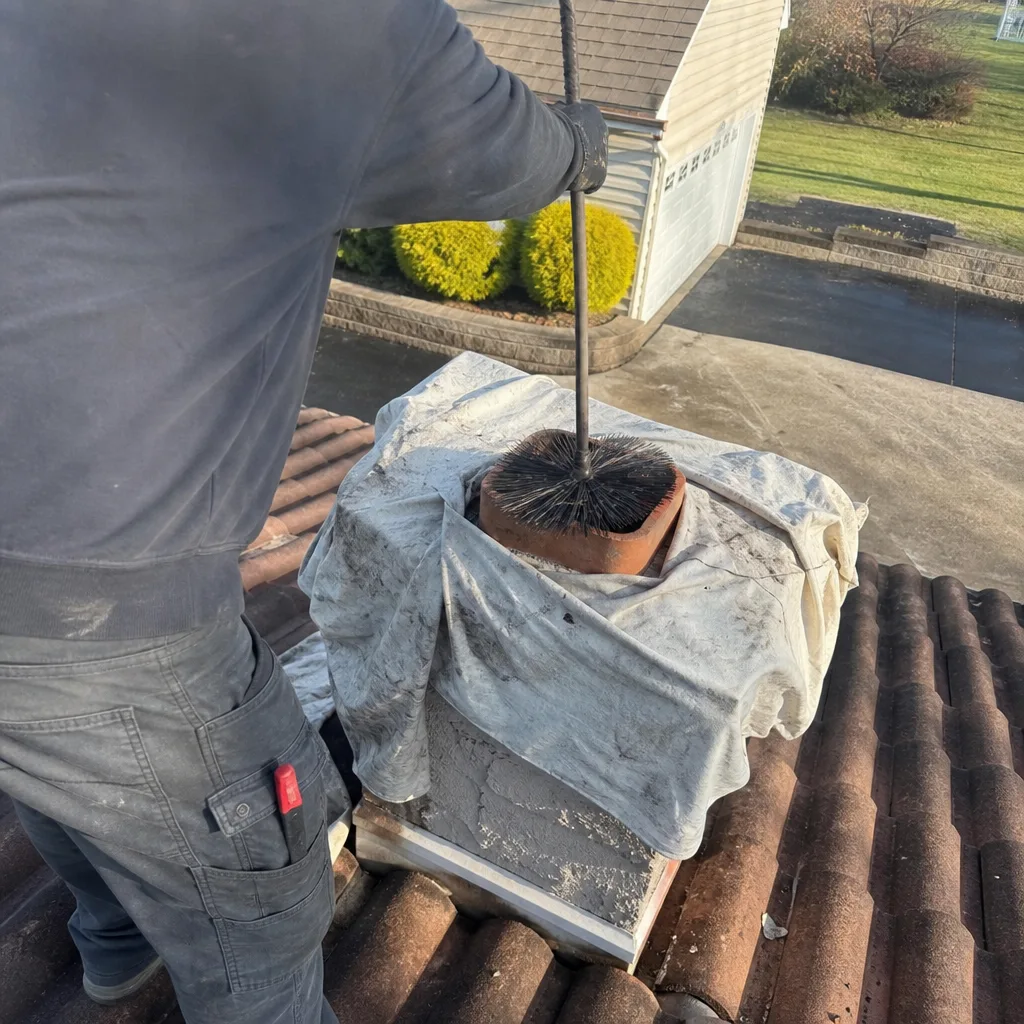
Fuel type determines what fails, how it fails, and what documentation matters. A checklist that treats all systems identically misses the specific failure modes that cause fires and carbon monoxide events in Lansdale homes.
Wood-Burning Systems: Creosote Staging
Creosote is the combustible deposit that forms when wood smoke condenses in a cool flue. It progresses through three stages, and each stage demands a different response.
| Stage | Appearance | Removability | Action Required |
|---|---|---|---|
| Class I | Sooty, flaky, easily brushed | Standard sweep with poly or wire brushes | Annual cleaning; monitor burn habits |
| Class II | Crunchy, tar-like flakes | Mechanical rotary cleaning or chain flail | Schedule sweep; inspect for restricted air supply |
| Class III | Glazed, hardened, enamel-like | Chemical treatment or mechanical removal by trained technician | Immediate professional service; fire hazard |
In Lansdale, Class III creosote is most common in homes burning unseasoned hardwood or using older airtight stoves with damped-down combustion. The Chimney Cleaning & Sweep in Lansdale protocol we follow includes creosote classification in every written report, with photo evidence, so you have a dated record of deposit severity.
Gas Systems: Condensate and Liner Corrosion
Gas appliances produce water vapor as a primary combustion byproduct. In high-efficiency units, that vapor condenses in the flue, producing acidic condensate that attacks clay flue liners and corrodes metal connectors. The checklist for gas systems looks different:
- Inspect the appliance connector for rust, sag, or separation at joints
- Check for white or green powdery deposits at the flue termination (evidence of condensate leakage)
- Verify that the liner is properly sized for the appliance’s BTU output and efficiency rating
- Confirm draft is established before each heating season using a smoke pencil or draft gauge
Gas liner failures are insidious because the system can appear to function normally while leaking carbon monoxide through deteriorated mortar joints. Camera inspection is the only reliable detection method.
Pellet Systems: Venting and Ash Management
Pellet stoves use forced exhaust and require specific venting configurations. The critical checkpoints:
- Inspect the vent cap for ash accumulation and combustion residue (pellet caps clog faster than wood or gas terminations)
- Check the hopper and auger for proper feed rate calibration
- Verify that the exhaust blower is operating at manufacturer-specified RPM
- Examine the firebox and heat exchanger for ash buildup that reduces efficiency
Seasonal Logging and the Physical Chimney File
The most valuable tool in chimney maintenance is not a brush or a camera. It’s a file folder with dates, observations, and names. When you sell your Lansdale home, when you dispute an insurance claim, or when a new sweep asks “when was this last inspected,” the physical chimney file answers questions that memory cannot.
We recommend a simple three-section format:
- Annual Log: Date of service, company name, technician name, services performed, and creosote classification or liner condition noted. Attach the written report.
- Owner Observations: Your dated notes from the four roofline checks, weather events, unusual odors or sounds, and any changes in appliance performance.
- Repair History: Invoices, warranties, and photo documentation of any work performed, with materials specified (e.g., HeatShield crown repair, Gelco cap installation).
The value of this file becomes clear when a new sweep arrives. Instead of starting from scratch, they have a baseline. They know whether that crown crack is new or stable, whether the liner was rated for the current appliance, and whether previous repairs used appropriate materials. In our experience, homeowners with organized files receive more accurate assessments and avoid redundant work.
In Lansdale’s resale market, where homes in the North Penn School District command premium prices, a documented chimney maintenance history is a transferable asset. Buyers’ inspectors notice its absence.
Sweep-Only Checkpoints: What You Can’t See and Why It Matters
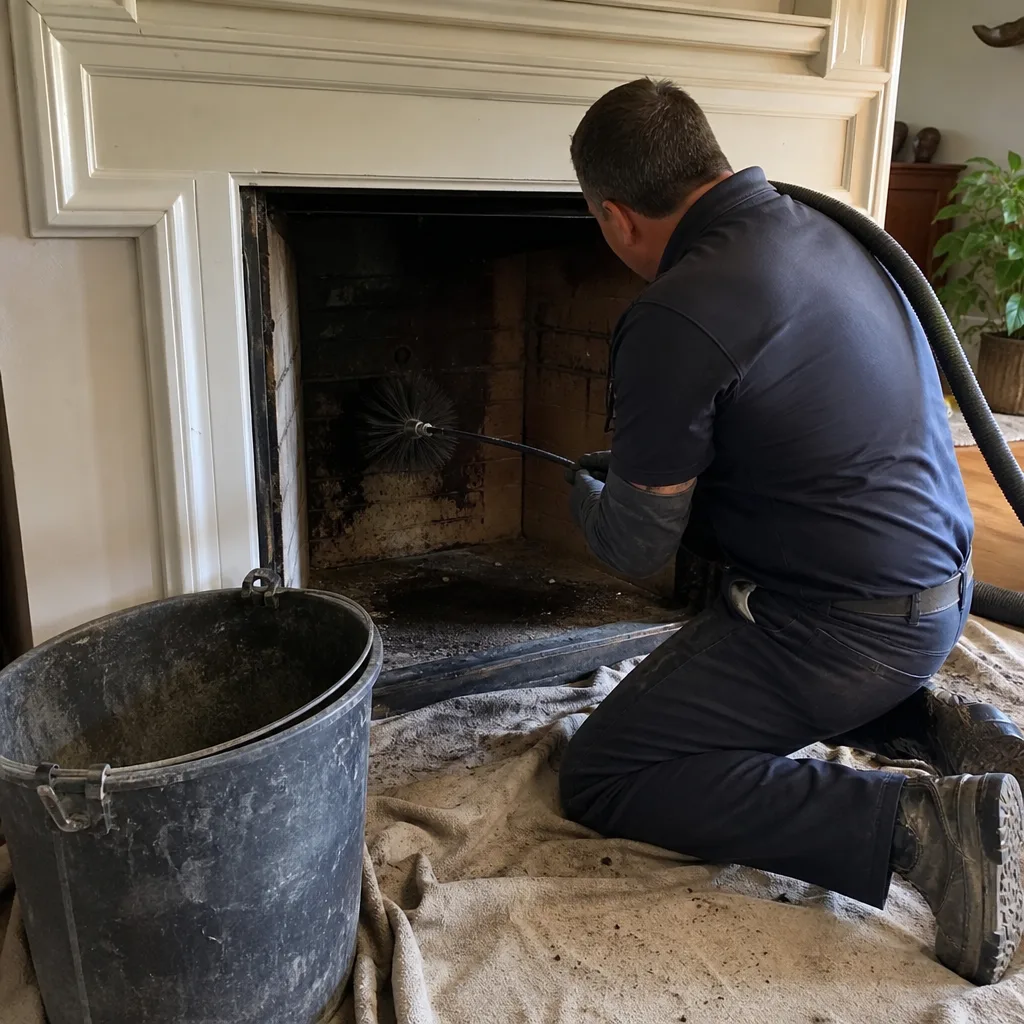
The roofline checks catch external deterioration. The sweep-only checkpoints catch what kills people. These require NFPA 211 Level 2 inspection protocol: camera scan of the flue interior, smoke chamber evaluation, and accessible exterior examination. No checklist is complete without them.
Flue Liner Condition
The flue liner contains combustion products and protects the surrounding structure from heat transfer. In Lansdale, we regularly find clay tile liners cracked by freeze-thaw, displaced by chimney fires, or deteriorated by decades of corrosive exhaust. A camera scan reveals:
- Tile cracks that open during thermal cycling (invisible when cold)
- Missing mortar joints between liner segments
- Glazed creosote buildup that reduces flue diameter
- Spalling or flaking liner surfaces that indicate acid attack
Under Clause 4 of the Haven Standard, every Level Two inspection includes a documented photo record of liner condition, with footage archived for comparison at subsequent visits.
Smoke Chamber and Smoke Shelf
The smoke chamber is the area above the firebox that funnels smoke into the flue. The smoke shelf is the horizontal surface at its base. These areas accumulate creosote and debris, and their condition determines draft performance and fire safety.
Sweep-only evaluation includes:
- Corbeling (stepped brick) in the smoke chamber that creates turbulence and deposit accumulation
- Smoke shelf depth and deposit volume (excessive buildup restricts draft and can ignite)
- Parging condition, the smooth refractory coating that reduces turbulence
In homes built before 1980, common in Lansdale’s original borough and surrounding townships, smoke chambers were often constructed with rough corbeling and no parging. This is a known hazard that camera inspection reveals and written documentation records.
Clearance to Combustibles
NFPA 211 specifies minimum distances between chimney components and combustible framing. These clearances cannot be verified visually in finished spaces. Level 2 inspection requires accessible examination of attics, crawl spaces, or other concealed areas where the chimney passes through structure.
We’ve found dangerous clearance violations in Lansdale renovations where homeowners or contractors framed around existing chimneys without understanding the requirements. This is not a hypothetical risk. It’s a documented cause of structure fires.
Montgomery County-Specific Concerns: Freeze-Thaw and Spalling
Lansdale sits in the transition zone between Pennsylvania’s harsh northern winters and milder southern climates. The result is more freeze-thaw cycles than areas with consistently cold winters, where masonry stays frozen, or consistently mild ones, where it doesn’t freeze at all. Each cycle, water expands by approximately 9% when it freezes, exerting pressure that cracks mortar, spalls brick faces, and destroys crowns.
Spotting Fresh Mortar Joint Failure After a Hard Winter
After the kind of winter Lansdale experienced in 2022-2023, with repeated freeze-thaw events and a late-season ice storm, mortar joint damage is often widespread but not immediately obvious. Here’s what to look for in March and April:
- Recessed or “sunken” mortar joints where the surface has eroded below the brick arris (edge)
- Hairline cracks running through, not around, mortar joints (indicates bond failure, not shrinkage)
- Sand accumulation at the chimney base or on the roof below the stack (mortar erosion product)
- Individual bricks with flaked or popped faces, especially on south and west exposures
These conditions worsen exponentially, not linearly. A joint that loses 1/8 inch of depth this year will lose 1/4 inch next year if water continues to penetrate. Tuckpointing at the first sign of failure costs a fraction of rebuild pricing.
Efflorescence as an Early Warning System
In Montgomery County’s older housing stock, particularly the brick colonials and Cape Cods built from the 1920s through 1950s, efflorescence is often the first visible sign of capillary water movement through walls that have lost their original waterproofing. The salt deposits themselves are not structurally damaging, but they indicate that water is moving through the masonry, dissolving minerals, and depositing them at the surface. That same water movement drives freeze-thaw damage.
Homes in the Towamencin and Hatfield township areas, with their higher water tables and clay soils, show this pattern more frequently than properties on Lansdale’s hillier eastern edge. Local knowledge matters in prioritizing which checks deserve closest attention.
What “Passed Inspection” Should Mean on Paper
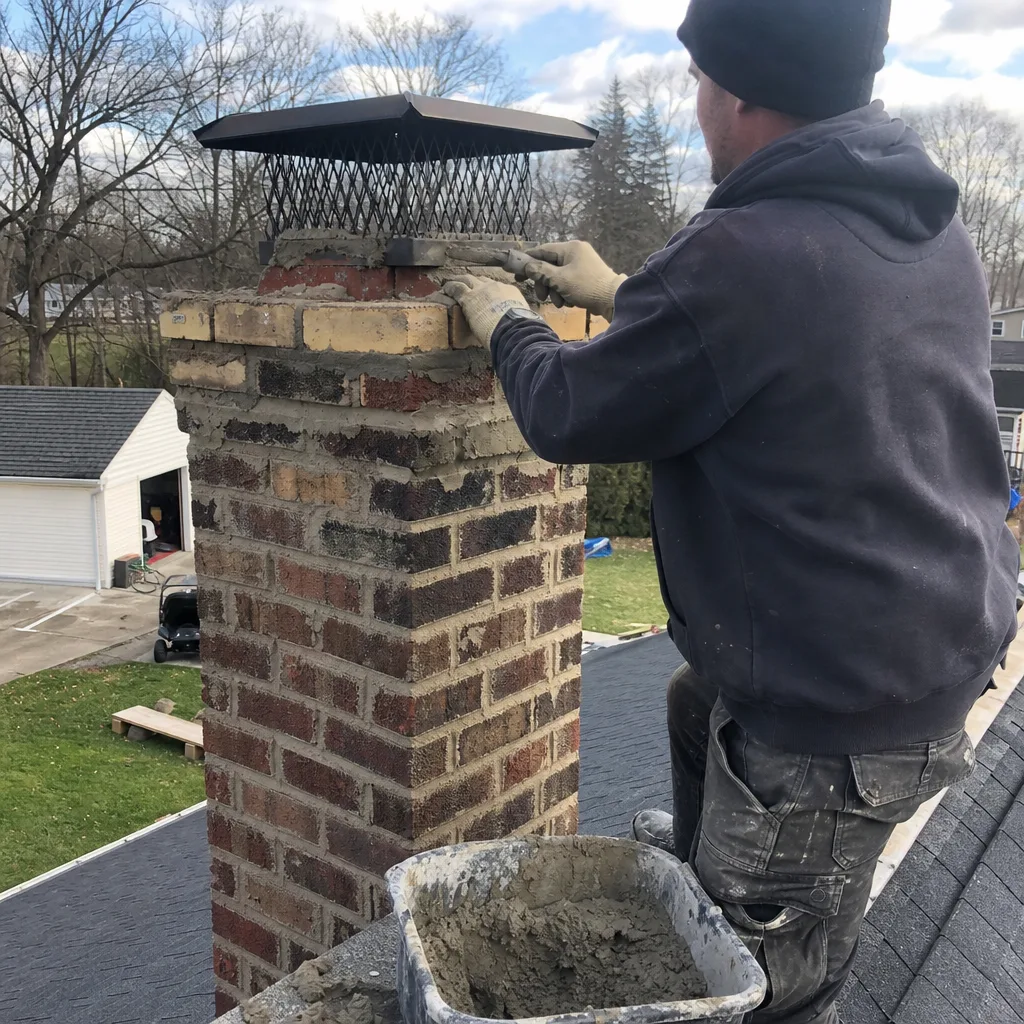
The phrase “passed inspection” is meaningless without documentation. A verbal all-clear from a technician who spent twenty minutes with a flashlight is not a record. It’s a liability waiting to happen. Under the Haven Standard, every service concludes with specific deliverables that constitute a genuine inspection record.
Your post-service report should include these fields at minimum:
| Field | What It Documents |
|---|---|
| Service date and technician name | Accountability and traceability |
| Appliance type, fuel, and manufacturer | Baseline for correct evaluation |
| Flue liner material, dimensions, and condition | Structural integrity and suitability |
| Creosote classification (wood) or condensate evidence (gas) | Deposit severity and fire risk |
| Smoke chamber condition and parging status | Draft performance and fire safety |
| Crown, cap, and flashing condition with photos | Water intrusion prevention |
| Clearance to combustibles (if accessible) | Structure fire prevention |
| Recommended actions with written pricing | Informed decision-making |
| Photo documentation archive reference | Longitudinal comparison capability |
Clause 1 of the Haven Standard requires a written price, written scope, and written warranty before any work begins. Clause 4 requires the photo record. If your sweep delivers less than this, you have not received an inspection that meets the standard we established in 2009 and have maintained through more than 38,000 visits.
The Chimney Repair in Lansdale page details how we document repair recommendations with the same rigor, including material specifications from our Haven buying network.
The Lansdale Homeowner’s Maintenance Schedule
Timing matters as much as task selection. Here’s a season-linked schedule that aligns maintenance with Lansdale’s climate and heating patterns.
September: Pre-Season Preparation
- Perform the four roofline checks with binoculars; log findings
- Schedule professional inspection and cleaning before the October rush
- Verify that your chimney file is current and previous reports are accessible
- Test smoke and carbon monoxide detectors; replace batteries
October Through March: Heating Season Monitoring
- Monitor for changes in draft performance (smoke rollback, slow startup, odors)
- Log any unusual events: backdrafts, animal intrusion, weather damage
- Check cap and crown condition after significant wind or ice events
- Never operate a wood-burning system with suspected Class III creosote
April: Post-Season Assessment
- Repeat the four roofline checks; compare to September baseline
- Photograph any new efflorescence, spalling, or mortar degradation
- Schedule any deferred repairs before the spring/summer masonry season
- Update your chimney file with the heating season’s observations
May Through August: Repair Window
Masonry repairs, crown reconstruction, and liner installations are best completed in moderate temperatures with low precipitation probability. Lansdale’s summer humidity can affect curing times for mortar and refractory materials, so schedule major work for drier periods when possible. The Fireplace Services in Lansdale page covers appliance-specific off-season maintenance.
Common Mistakes to Avoid
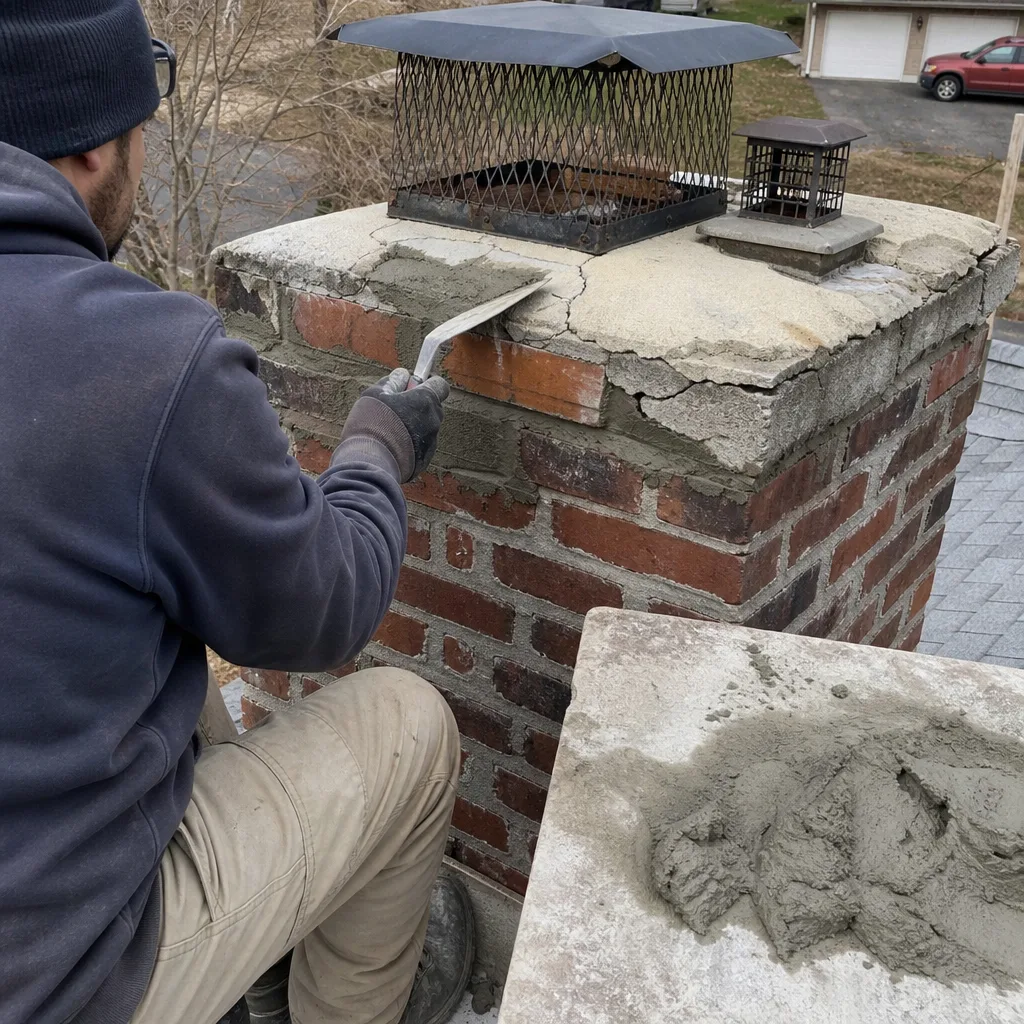
- Assuming a clean flue means a safe system. Creosote removal addresses one hazard. Liner cracks, clearance violations, and crown deterioration can coexist with a clean flue and present greater immediate risk.
- Hiring based on lowest price without written scope. In Montgomery County, we’ve seen “sweeps” who spent fifteen minutes in the firebox, never ran a camera, and charged $89. The homeowner received no documentation and no actual inspection. A written price before work starts, with scope specified, is non-negotiable.
- Ignoring gas systems because they “burn clean.” Gas produces water vapor and acidic condensate. The absence of creosote does not mean the absence of liner corrosion or draft problems. Gas systems require inspection on their own schedule.
- Waiting for visible interior damage. By the time water stains appear on ceilings or walls near the chimney, the underlying damage is extensive. The four roofline checks are designed to catch intrusion before it reaches finished spaces.
- Discarding old inspection reports. The most valuable document in chimney maintenance is the comparison between last year’s condition and this year’s. Without historical records, every inspection starts from zero, and progressive deterioration is harder to identify.
- Using the wrong fuel in a system not designed for it. Burning wood in a gas-only fireplace, or installing a high-efficiency gas insert in an unlined chimney, creates hazards that inspection may reveal too late. Match appliance, fuel, and flue system precisely.
- Treating chimney maintenance as a “set and forget” annual task. Conditions change with weather events, appliance modifications, and aging materials. The checklist approach, with seasonal logging, catches changes that annual-only attention misses.
When to Call a Professional
Some conditions demand immediate professional evaluation regardless of schedule. Call for inspection if you experience smoke backup into the room, detect a tar-like odor from the fireplace when not in use, see visible cracks in the firebox or hearth, notice rust stains on the chimney exterior that weren’t present previously, or have any reason to suspect a prior chimney fire (often indicated by distorted metal components or unusual cracking). After any seismic event, significant wind damage, or nearby structure fire, inspection is warranted even if no damage is visible.
Level Two Chimney Lansdale offers free estimates in Lansdale. We’re independently owned and operated under the Haven Standard, with background-checked, uniformed technicians and live phone support available 24 hours a day, 7 days a week. Call (267) 327-4785 to schedule, or visit our Level Two Chimney Lansdale home page to learn more about our inspection protocol.
Frequently Asked Questions
A standard chimney sweep and NFPA 211 Level 2 inspection in the Lansdale area typically ranges from $199 to $349, depending on system type, accessibility, and whether the flue requires mechanical cleaning for Class II or III creosote. We provide a written price before any work starts, with scope specified, under Clause 1 of the Haven Standard. Call (267) 327-4785 for an exact quote - estimates are free.
You need a new liner only if camera inspection reveals damage that compromises safety, or if your current liner is unsuited to your appliance type. Common indicators include cracked or missing clay tiles, corrosion in metal liners, or a liner diameter mismatched to the appliance’s BTU output. We never recommend liner replacement without photo evidence you can review yourself, and we offer a Free Second Opinion on any competitor’s written estimate. Some conditions can be monitored annually rather than replaced immediately.
Wood-burning systems should be swept annually, or after every cord of wood burned, whichever comes first. See The Complete Guide to Chimney Cleaning in Lansdale for detailed frequency guidance. Gas systems require inspection every two to three years, with more frequent checks for high-efficiency condensing units. Pellet systems need annual cleaning and venting inspection. Lansdale’s heating season, running from October through April for most homeowners, means September scheduling avoids the October rush and ensures readiness before first use.
Skipped maintenance leads to progressive creosote accumulation, increasing fire risk; undetected liner deterioration, permitting carbon monoxide leakage into living spaces; and water intrusion that accelerates masonry decay. In Lansdale’s climate, a single skipped inspection can allow freeze-thaw damage to advance from repairable tuckpointing to full rebuild territory. The cost differential between preventive maintenance and reactive repair is typically five to tenfold.
Homeowners can perform the four roofline checks described in this guide safely from ground level. Flue cleaning, camera inspection, and smoke chamber evaluation require specialized equipment and training. Class III creosote removal involves chemical treatments and mechanical tools that pose fire and respiratory hazards in untrained hands. For safety-critical components, we recommend professional service. Our 365-Day Done Right Promise covers every job we perform.
The Haven Standard is the documented protocol Level Two Chimney Co. has operated under since 2009, codified in five clauses: written price before work starts (H.A.V.E.N. ‘Have it in writing’), verified and scheduled crew arrival, documented photo record on every visit, explicit warranty terms, and no-hassle resolution if anything falls short. It matters because it gives homeowners verifiable standards against which to measure any sweep’s performance, and it created the camera-scan documentation practice that became industry expectation years later.
Montgomery County follows the International Residential Code with Pennsylvania amendments, requiring compliance with NFPA 211 for chimney construction, maintenance, and clearance standards. Lansdale borough permitting applies to new chimney construction and significant repairs, but not to routine cleaning and inspection. However, documentation from professional inspection is often required by homeowners insurance providers and is valuable in real estate transactions. We include code-relevant observations in every written report.
The Bottom Line
Effective chimney maintenance in Lansdale is not an annual appointment. It’s a system of owner-observable checks, professional camera-documented inspection, fuel-specific protocols, and seasonal logging that builds a record over time. The four roofline checks take three minutes and transform the conversation with any sweep who arrives at your door. The physical chimney file turns isolated visits into longitudinal care. And the written report, with photo documentation under Clause 4 of the Haven Standard, is the only proof that “passed inspection” means what it should.
We’ve applied these standards through more than 38,000 inspections since 2009 because they work. They catch deterioration before it becomes emergency. They give homeowners the documentation to make informed decisions. And they eliminate the uncertainty that leads to unnecessary work or, worse, delayed necessary work.
Ready to put this checklist into practice? Call Level Two Chimney Lansdale at (267) 327-4785 for a free estimate. We’ll provide a written price before any work starts, complete a full NFPA 211 Level 2 inspection with camera documentation, and leave you with the documented record your chimney file deserves.
Written by Corrine Halstead, Owner at Level Two Chimney Lansdale, serving Lansdale since 2009.