
Last updated September 22, 2026
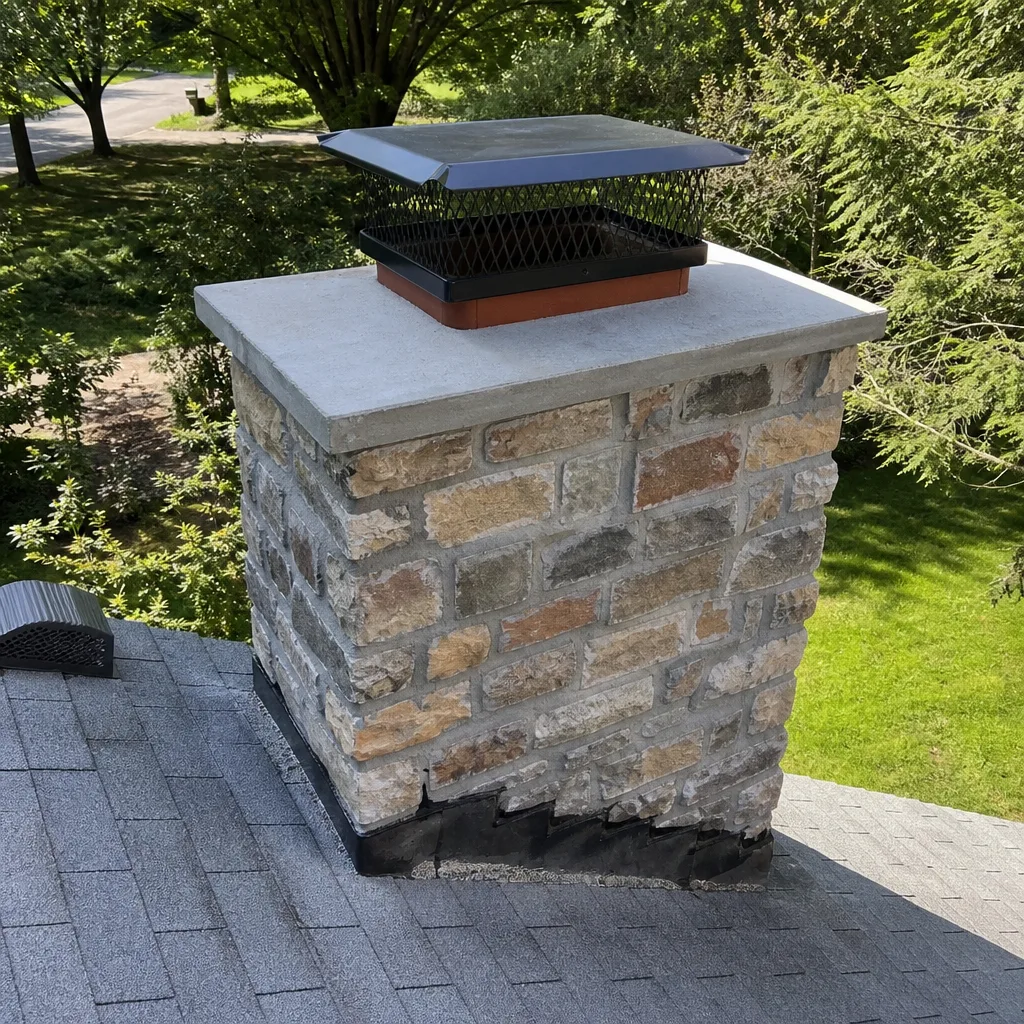
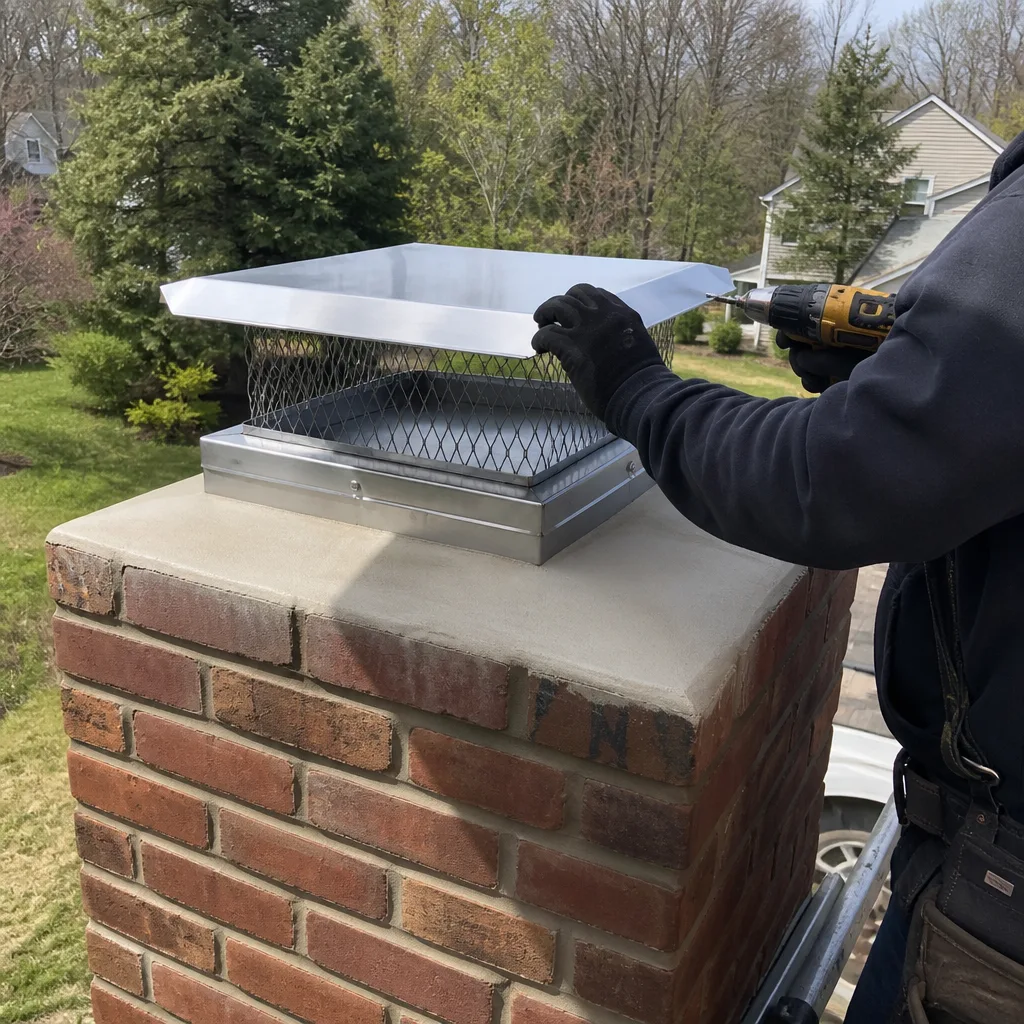
Level 1 sweep and inspection to the NFPA 211 annual standard - flue, crown, cap, and flashing checked and photographed
Chimney sweep logs do not sweep chimneys. They loosen some creosote - which then falls where a brush and vacuum still have to collect it.
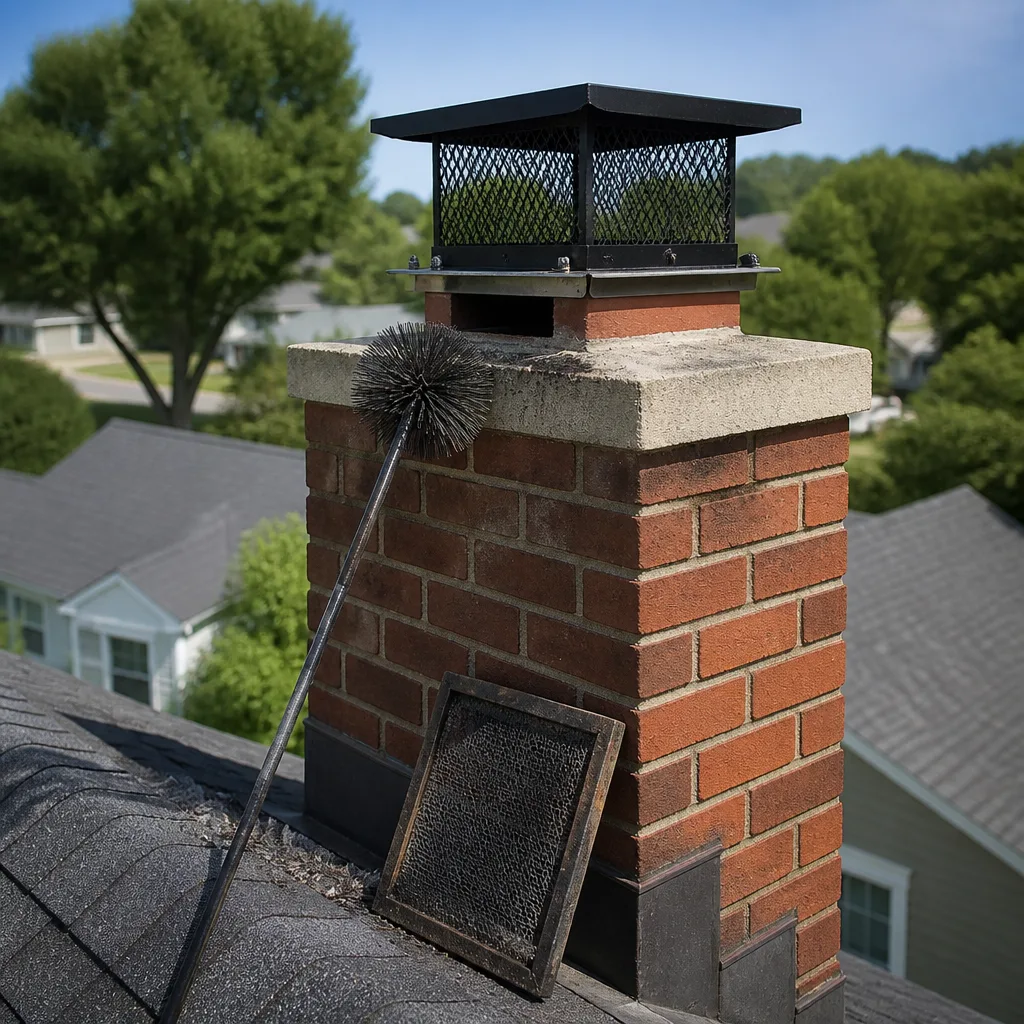
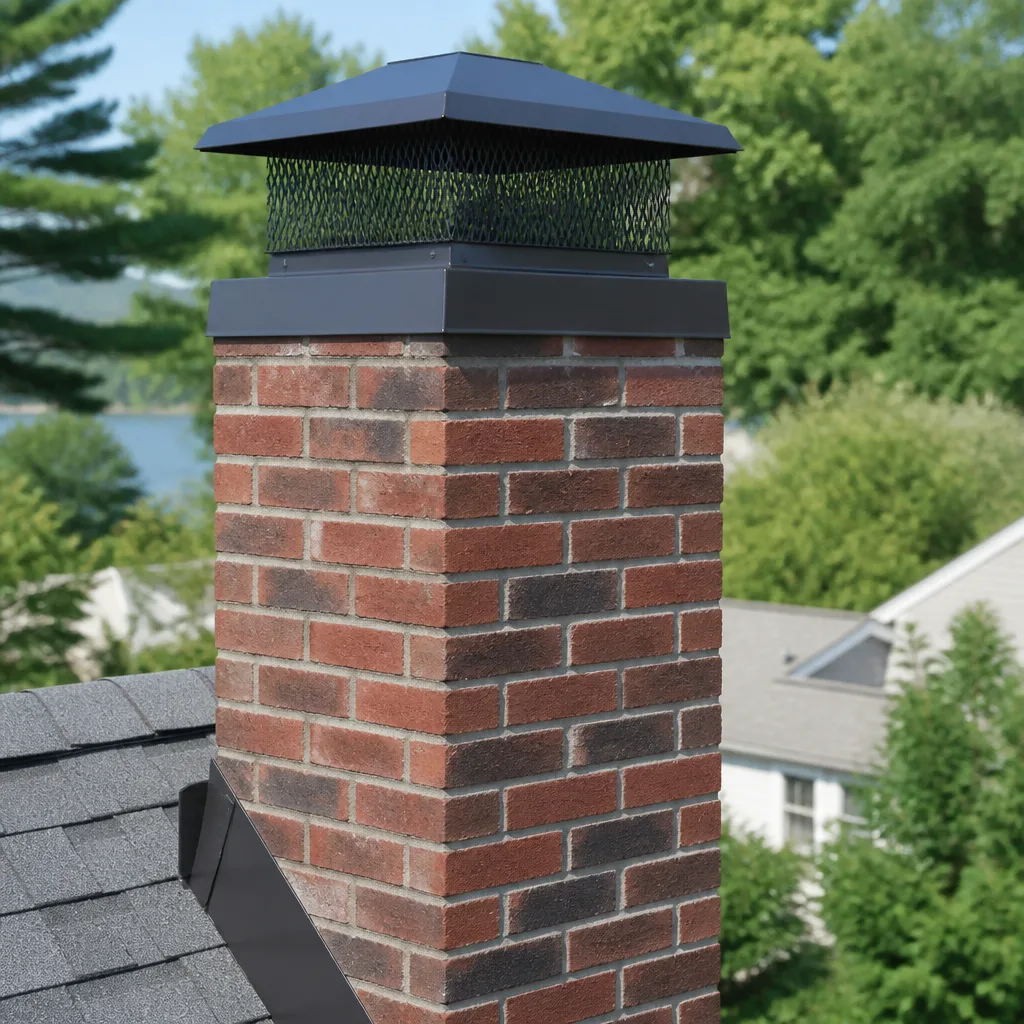
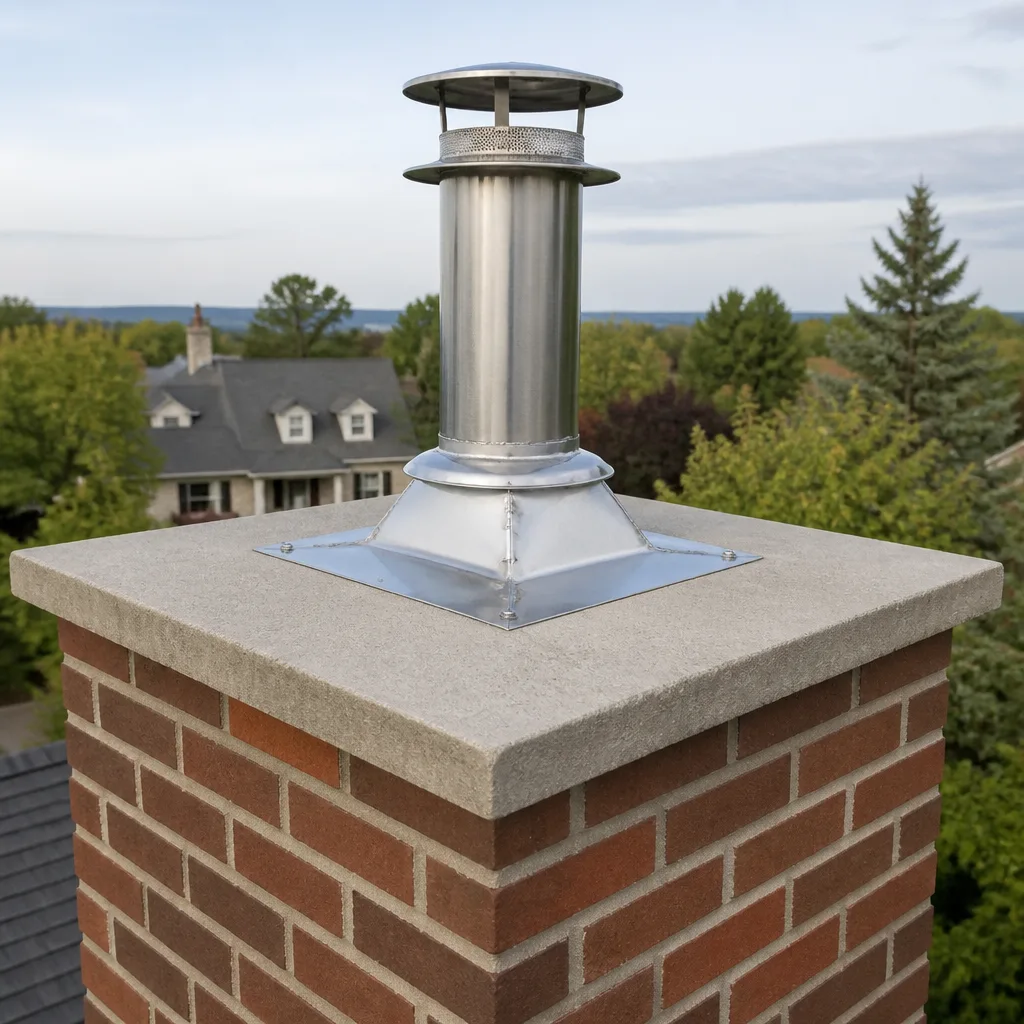
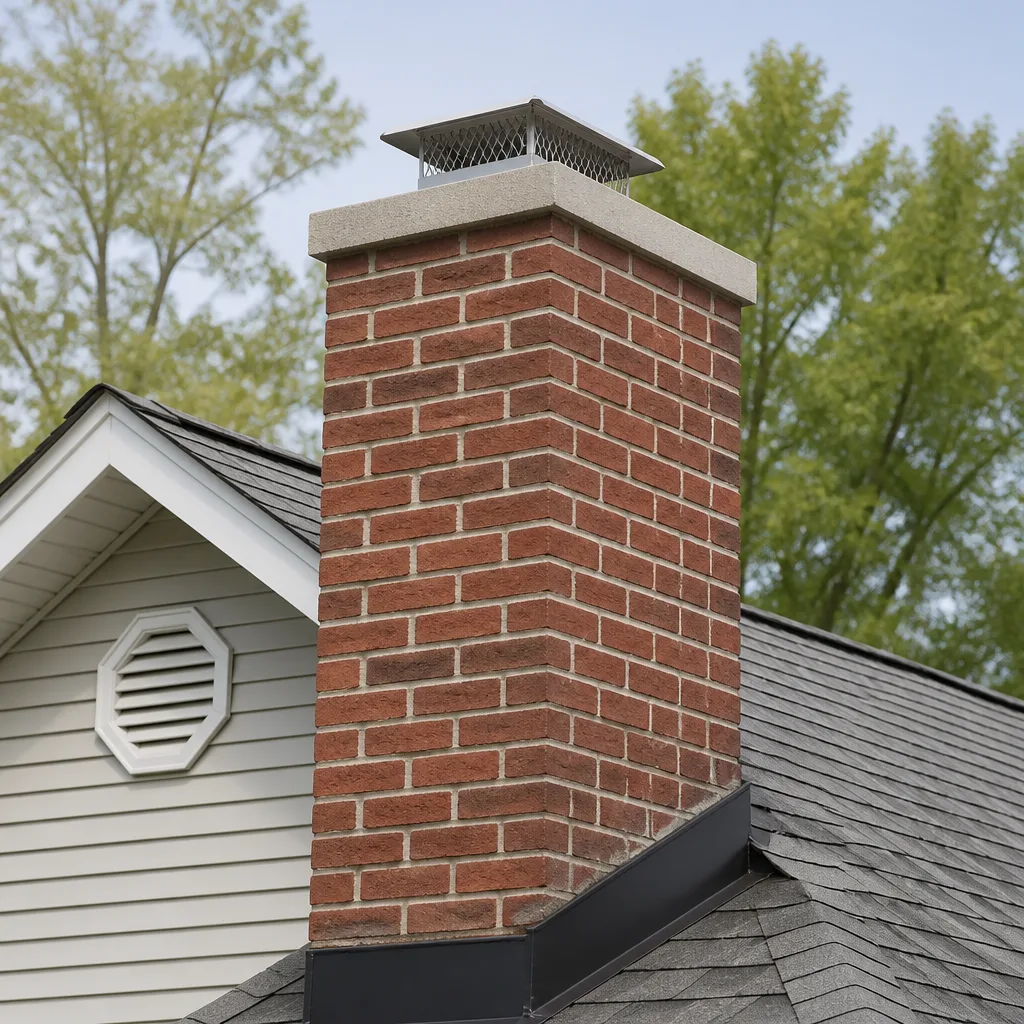
 Before
 After
After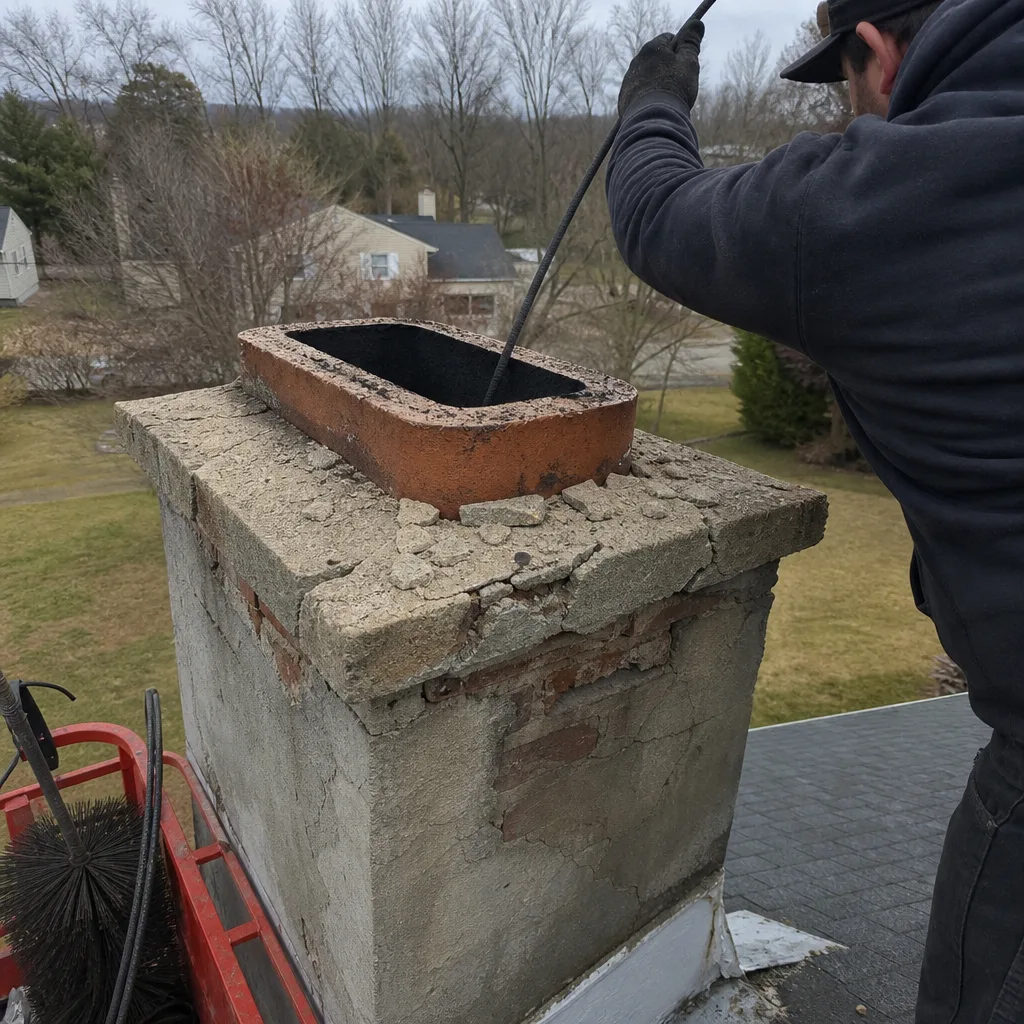 Before
 After
After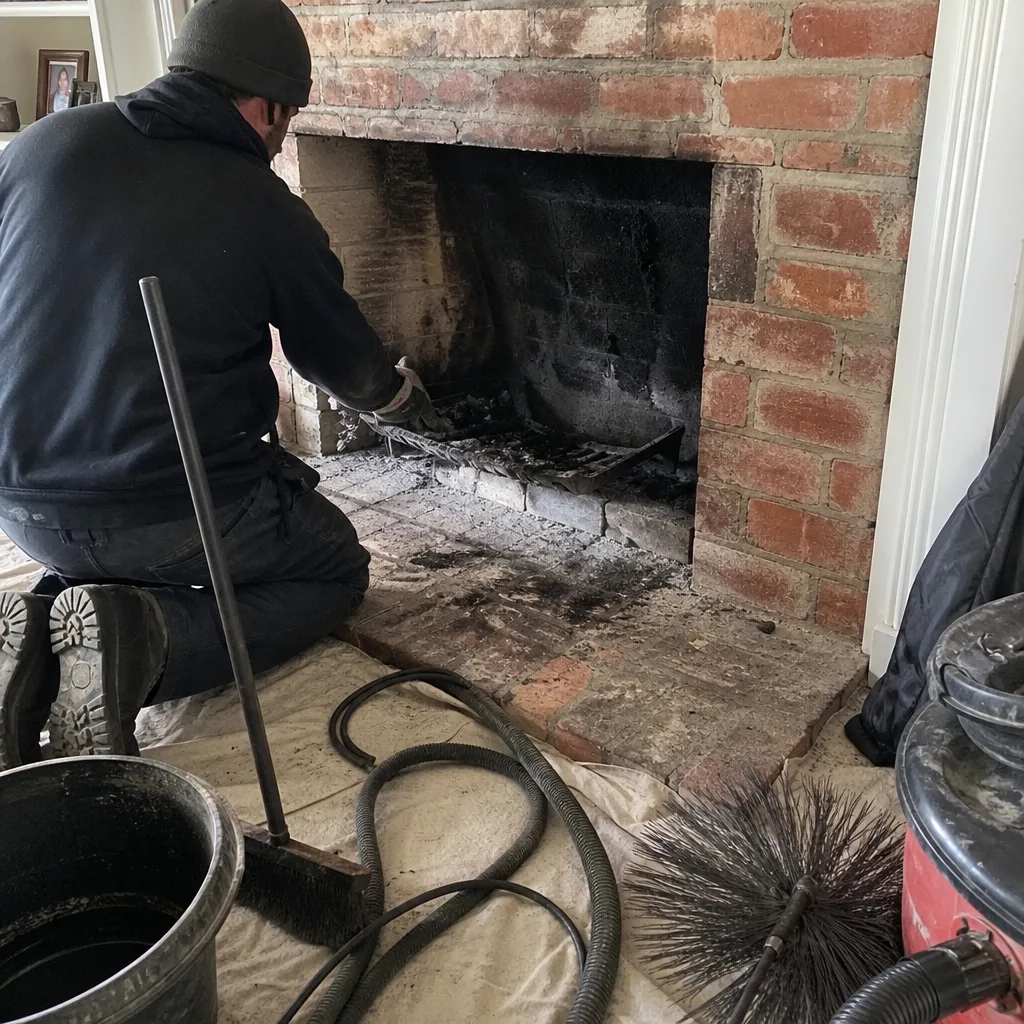 Before
 After
AfterThe Complete Guide to Chimney Cleaning in Lansdale
The NFPA estimates that 25% of home heating fires involve chimneys that were “cleaned” within the past 12 months. A sweep happened. The flue got brushed. But the sequence around it didn’t - no camera scan, no condition rating, no written scope, no documented close-out. In Lansdale, where the housing stock skews older and many neighborhoods like Upper Gwynedd and Towamencin sit on pre-1970 builds with unlined clay flues, that incomplete sequence is especially risky. This guide maps the full five-step process so you’ll know what you paid for, what you didn’t, and why the difference matters for your home insurance.
Quick Answer
Chimney cleaning in Lansdale costs $199-$349 for a standard sweep with Level 2 camera inspection, and the complete job includes five distinct steps: camera scan, condition rating, written scope, sweep, and documented close-out. Anything less leaves gaps that insurers and fire inspectors can flag. Chimney Cleaning & Sweep in Lansdale from Level Two Chimney Lansdale follows this sequence on every visit, with a written price before work starts and a photo record delivered after.
Table of Contents
- What Complete Chimney Cleaning Actually Includes
- Why the Five-Step Sequence Matters
- What Level 2 Camera Inspection Really Shows
- How Lansdale’s Older Housing Stock Changes the Standard
- What Your Completed Job Record Should Contain
- Cleaning Receipt vs. Cleaning Record: Why Insurers Care
- Pricing and What Affects Cost in Lansdale
- How Often Lansdale Homeowners Should Schedule
 Before
 After
AfterWhat Complete Chimney Cleaning Actually Includes
Most homeowners in Lansdale think chimney cleaning means one thing: a brush down the flue. The actual standard is broader, and the NFPA 211 code that governs our work spells out why. A complete cleaning is the final step in a sequence that starts with knowing what condition the system is in. Skip the knowing, and the cleaning can mask problems instead of exposing them.
Here is what the full sequence looks like on every job we run in Lansdale:
- Camera scan of the full flue. We run a high-resolution camera from the firebox to the crown, capturing video of every joint, every liner surface, and every deposit. This happens before any brush touches the flue. Clause 4 of the Haven Standard requires this photo record on every job - we’ve done it since 2009, before insurers started asking for it.
- Condition rating. The technician classifies what the camera found: creosote stage (Stage 1 powder, Stage 2 tar-like, Stage 3 glazed and hardened), liner integrity, joint alignment, and any spalling or deterioration in the masonry. Each item gets a rating that feeds directly into the next step.
- Written scope and price. Before work starts, you receive a written document that lists what we’ll do, what materials we’ll use (DuraFlex liners, HeatShield refractory mortar, or standard sweep tools as needed), and the exact price. Haven Standard Clause 1 - “Have it in writing” - means no surprises and no post-work invoice inflation.
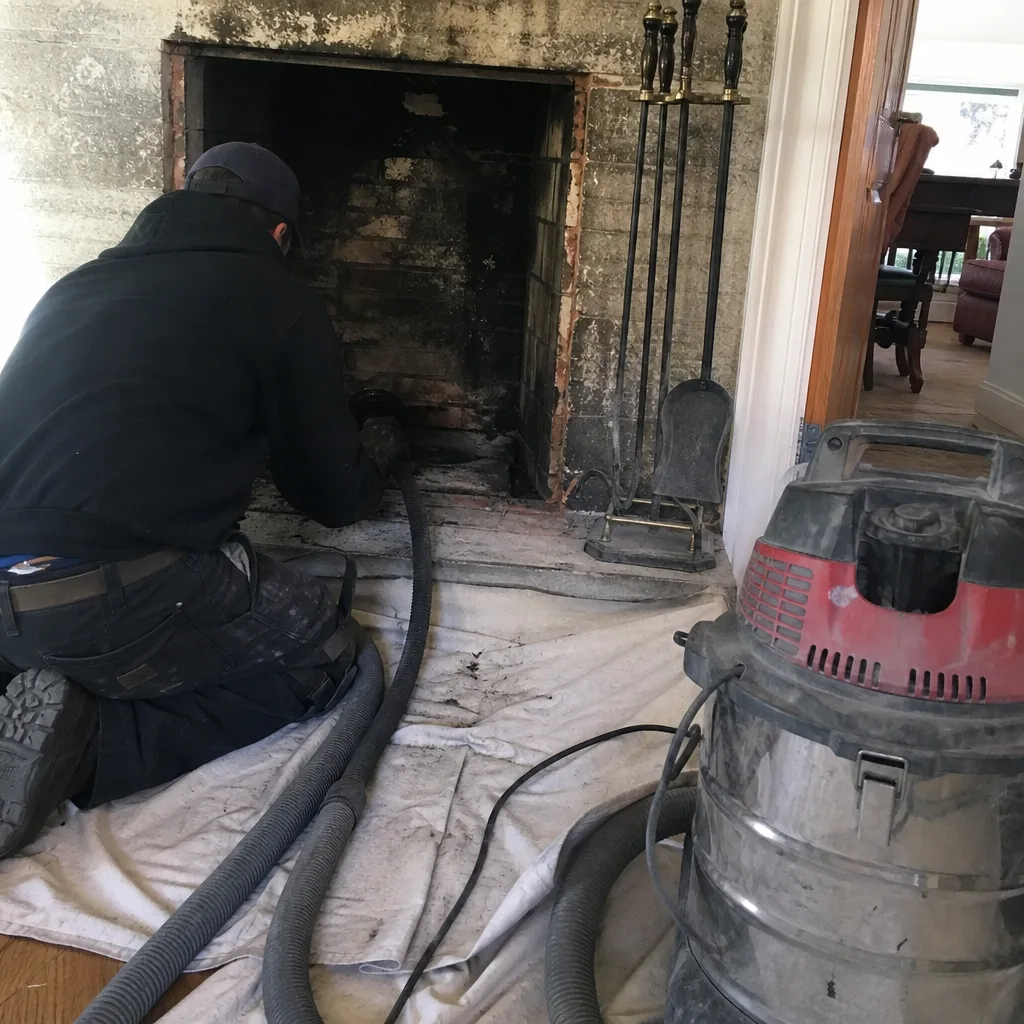
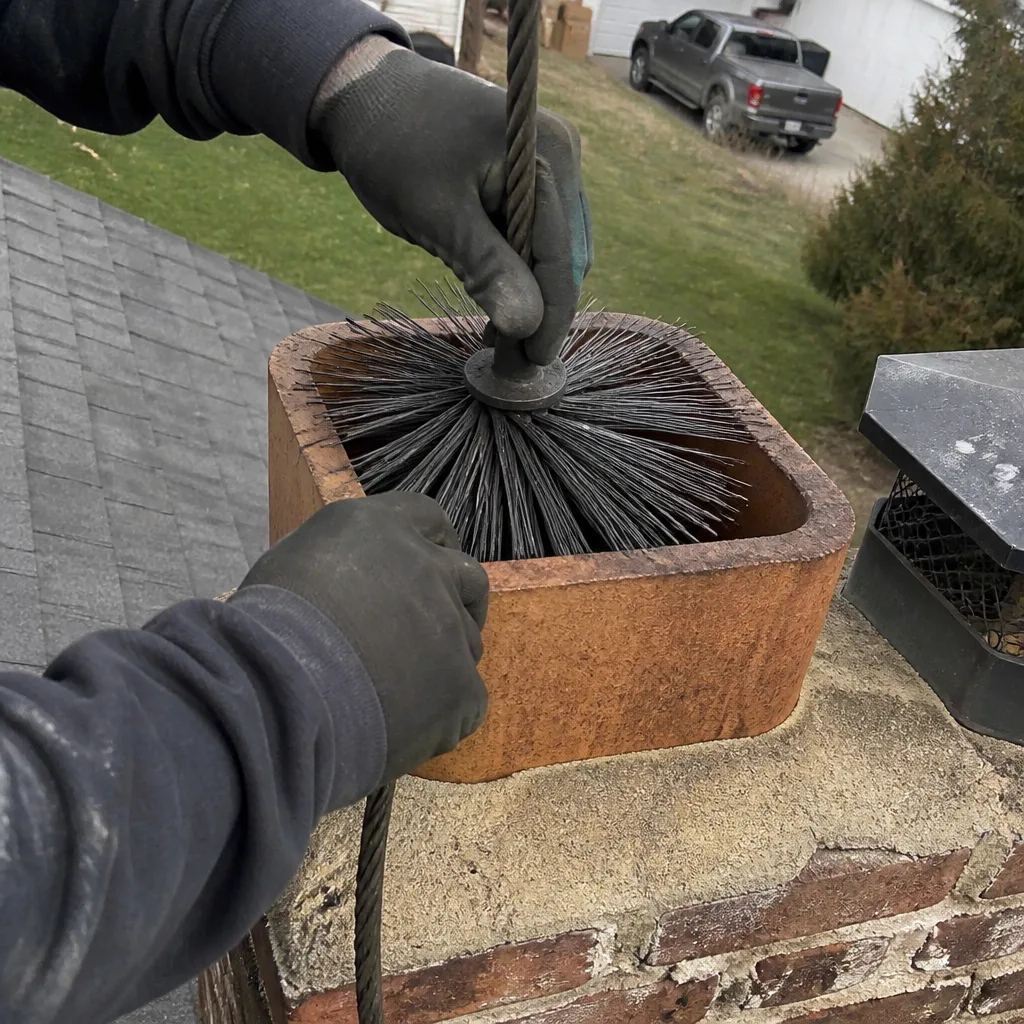
- The sweep itself. Brushes, rods, and vacuums remove deposits. For Stage 3 creosote, we may apply a chemical modifier first, then return to sweep once it has broken down the glaze. The method matches the condition rating from Step 2.
- Documented close-out. After the sweep, we run the camera again. You receive before-and-after images, the creosote stage noted, the written warranty terms, and the next recommended service date. This is your cleaning record, not just a receipt.
We’ve completed more than 38,000 chimney inspections and cleanings since 2009. Every single one followed this sequence. Every single one had a written price before work started and a documented record when it was done.
Why the Five-Step Sequence Matters
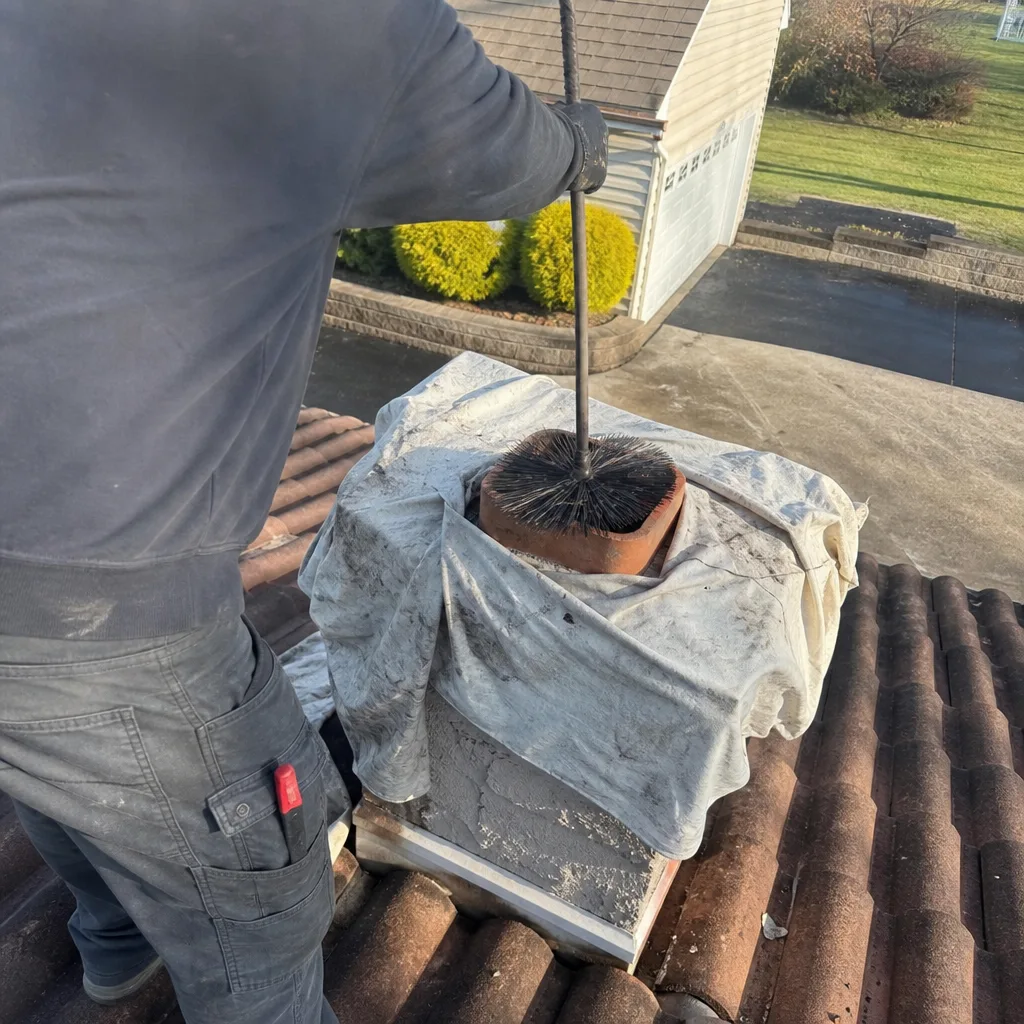
Each step in the sequence feeds the next. Break the chain, and you lose information that protects your home and your coverage.
Without the camera scan, a technician sweeps blind. A brush can pass right over a cracked flue liner or offset clay joint, leaving the defect hidden under fresh soot. We’ve found liner cracks in Lansdale homes on Main Street and in the Walnut Heights area where the homeowner had “annual cleanings” for years - but no camera had ever been down the flue. The cracks were there the whole time, leaking combustion gases into wall cavities.
Without the condition rating, the sweep method is guesswork. Stage 1 creosote brushes off easily. Stage 3 requires chemical treatment first; brute force with a brush can damage the liner. In our experience across Montgomery County, homes that burn primarily oak or hickory - common in Lansdale’s older neighborhoods with original masonry fireplaces - tend to build Stage 2 and 3 deposits faster than gas-log setups.
Without the written scope, you have no price anchor. The technician is already in your home, equipment unloaded, when the number comes. That’s when upsell pressure peaks. Our written price arrives before anyone parks in your driveway. You can compare it, question it, or decline it with no visit fee.
Without the documented close-out, you have no proof the work happened to standard. Insurance adjusters and home inspectors increasingly ask for this documentation after chimney fires. A receipt with a dollar amount and a date doesn’t answer their questions. A record with photos, ratings, and warranty terms does.
What Level 2 Camera Inspection Really Shows
The NFPA 211 defines three inspection levels. Level 1 is a visual check from accessible areas - what you can see with a flashlight from the firebox or roof. Level 2 requires camera examination of the interior flue surfaces. Level 3 involves demolition of building materials to access concealed areas. For annual service and real estate transactions, Level 2 is the recognized standard.
Here’s what a Level 2 camera inspection actually reveals that a flashlight look cannot:
- Liner cracks and gaps. Clay tile liners develop hairline fractures from thermal cycling - repeated heating and cooling through Lansdale winters. A flashlight from below might miss a crack on the side or top of a tile. The camera sees it directly.
- Offset joints. When clay tiles shift or settle, joints between sections no longer align. Soot and creosote accumulate in the offset, creating a fire hazard and restricting draft. Offsets are invisible from below without a camera.
- Shelf creosote. This deposit forms on ledges inside the flue, often where the smoke chamber (the sloped area above the firebox) meets the vertical flue. It’s a concentrated fuel source for chimney fires. A flashlight glance won’t spot it; the camera documents its exact location and thickness.
- Spalling and deterioration. The inner surface of the flue liner flakes or crumbles, exposing the masonry shell behind it. This is common in Lansdale’s pre-1970 homes with original clay liners that have seen decades of freeze-thaw cycles.
- Obstructions and nesting. We’ve pulled squirrel nests, raccoon debris, and collapsed liner sections from flues in Lansdale. The camera finds them before the brush jams against them.
Level Two Chimney Lansdale has run camera scans as standard practice since 2009. That archive practice became Clause 4 of the Haven Standard. We don’t offer camera inspection as an upgrade because it’s not optional - it’s the foundation of knowing what we’re cleaning.
How Lansdale’s Older Housing Stock Changes the Standard
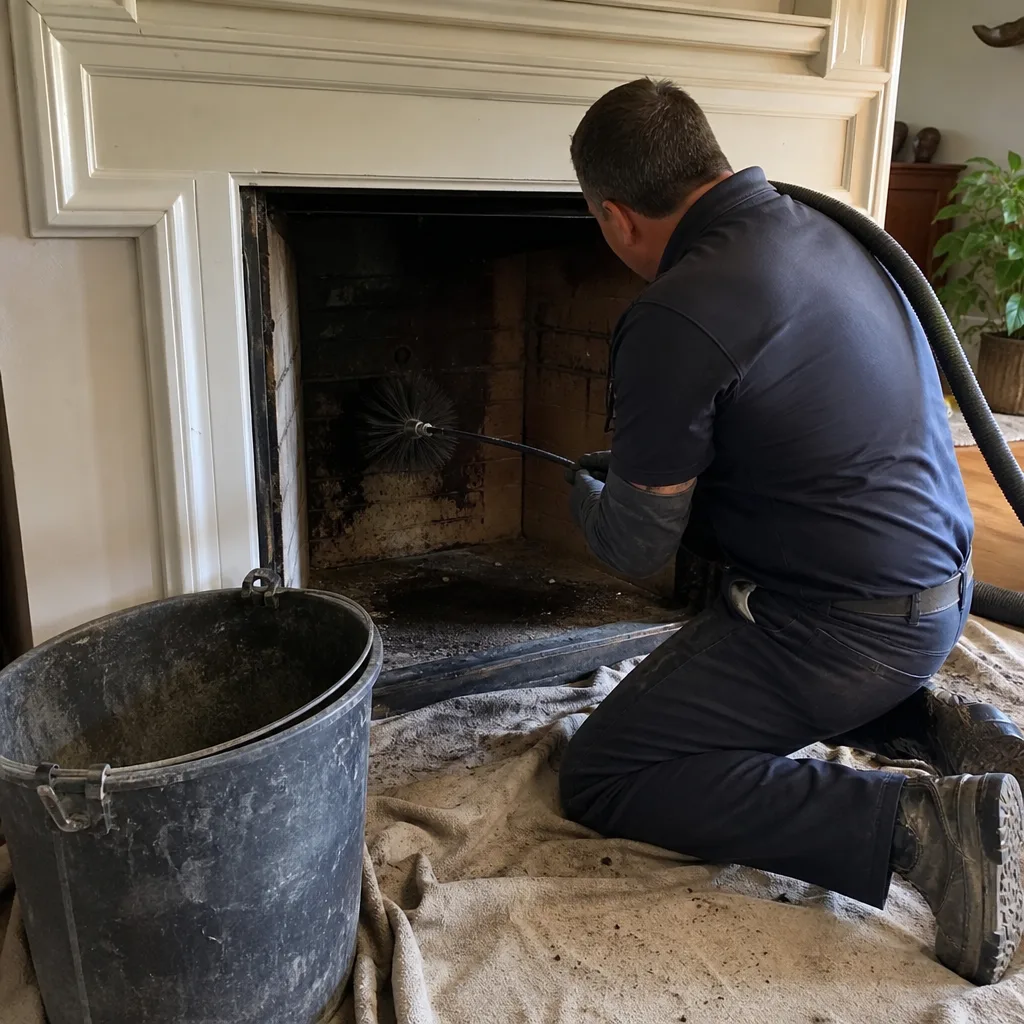
Lansdale sits in central Montgomery County, and much of its residential core was built between 1900 and 1970. That matters for chimney cleaning because construction practices changed dramatically around 1970, and many homes here never got the update.
Pre-1970 homes in Lansdale neighborhoods like Jenkins Village and the blocks near St. Stanislaus often have:
- Unlined clay flues. The chimney was built with bricks and mortar, with no separate liner installed. Combustion gases contact the masonry directly, accelerating deterioration. Cleaning these flues requires gentler technique - aggressive brushing can damage already-weakened mortar joints.
- Oversized flues. Designed for coal or early oil heating, these flues are too large for modern gas or wood appliances. The result is sluggish draft and rapid creosote buildup. A standard sweep without sizing assessment misses the root cause.
- Thick, historic mortar. The lime-based mortar in these chimneys behaves differently than modern Portland cement. It breathes more, which is good for moisture management, but it also erodes faster under acidic flue gas exposure. Camera inspection reveals this erosion pattern.
Post-1970 and newer construction in areas like Lansdale’s western developments typically have stainless steel or poured-in-place liners, properly sized flues, and better-sealed systems. The cleaning standard is different - less about damage assessment, more about deposit removal and cap integrity.
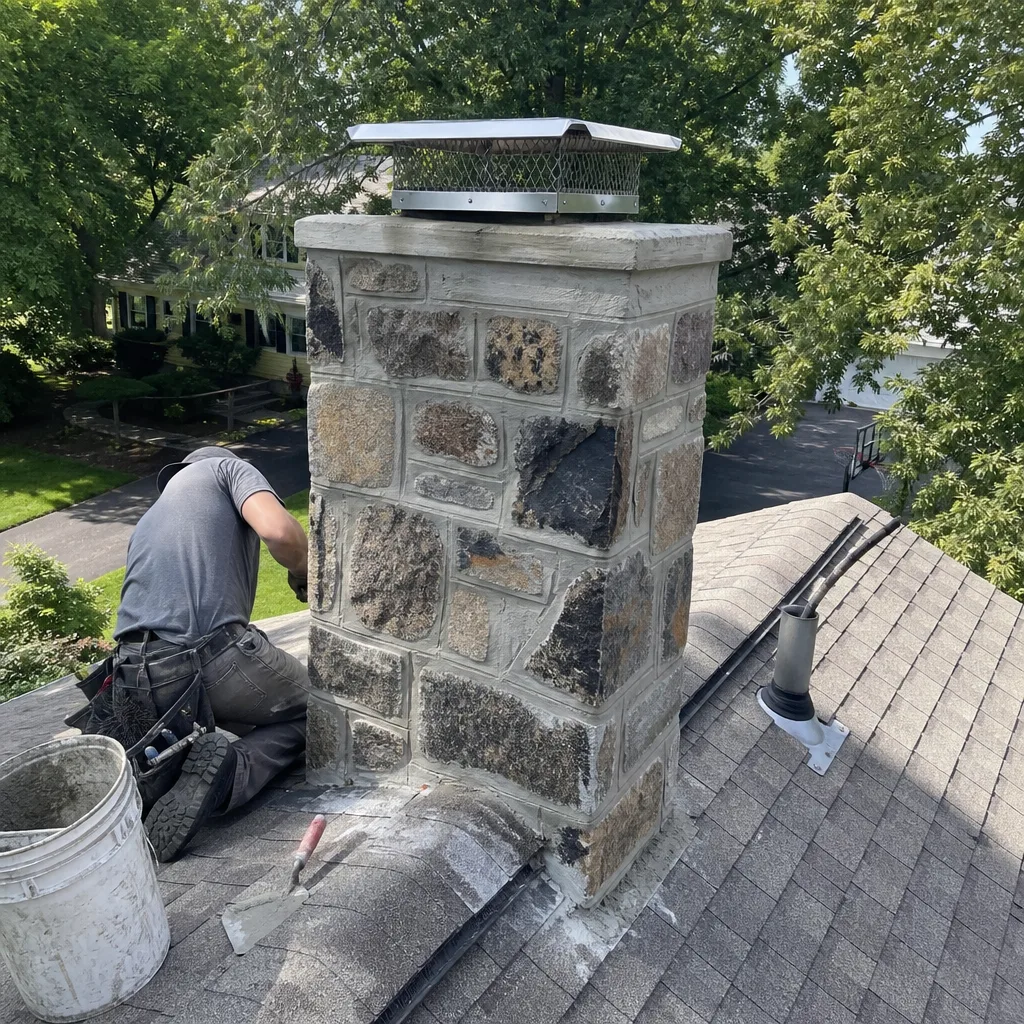
We adjust our approach based on what the camera shows. In older Lansdale homes, we’re looking for liner failure signs that might warrant a stainless steel insert from DuraFlex or a HeatShield resurfacing. In newer builds, we’re checking for cap and crown gaps that let water in. Same five-step sequence, different findings, different scopes.
What Your Completed Job Record Should Contain
A cleaning receipt proves you paid. A cleaning record proves the work met standard. Here’s what the latter contains after a complete job from Level Two Chimney Lansdale home:
- Before-and-after images of the flue interior. Not stock photos - your actual flue, with date stamps. These show the creosote deposit before removal and the cleaned surface after. Clause 4 of the Haven Standard requires this documentation.
- Creosote stage classification. Stage 1, 2, or 3, noted in writing. This determines whether the sweep alone was sufficient or whether chemical treatment and a return visit were needed.
- Liner condition assessment. Cracked, sound, spalling, or missing. If damage was found, the record includes camera stills and a recommended scope for repair.
- Written warranty terms. Our 365-Day Done Right Promise: if it’s not done right, we make it right. The terms are spelled out, not implied.
- Next recommended service date. Based on your fuel type, burn frequency, and what we found. For wood-burning Lansdale homeowners who use their fireplace as primary heat, that’s often annual. For occasional gas-log users, every two to three years may suffice.
- Technician identification. Name and license number of the tech who performed the work. Background-checked, uniformed crews - part of Haven Standard “Verified crews.”
We deliver this record electronically and can provide printed copies on request. It’s your documentation for insurance, real estate disclosure, or your own maintenance tracking.
Cleaning Receipt vs. Cleaning Record: Why Insurers Care
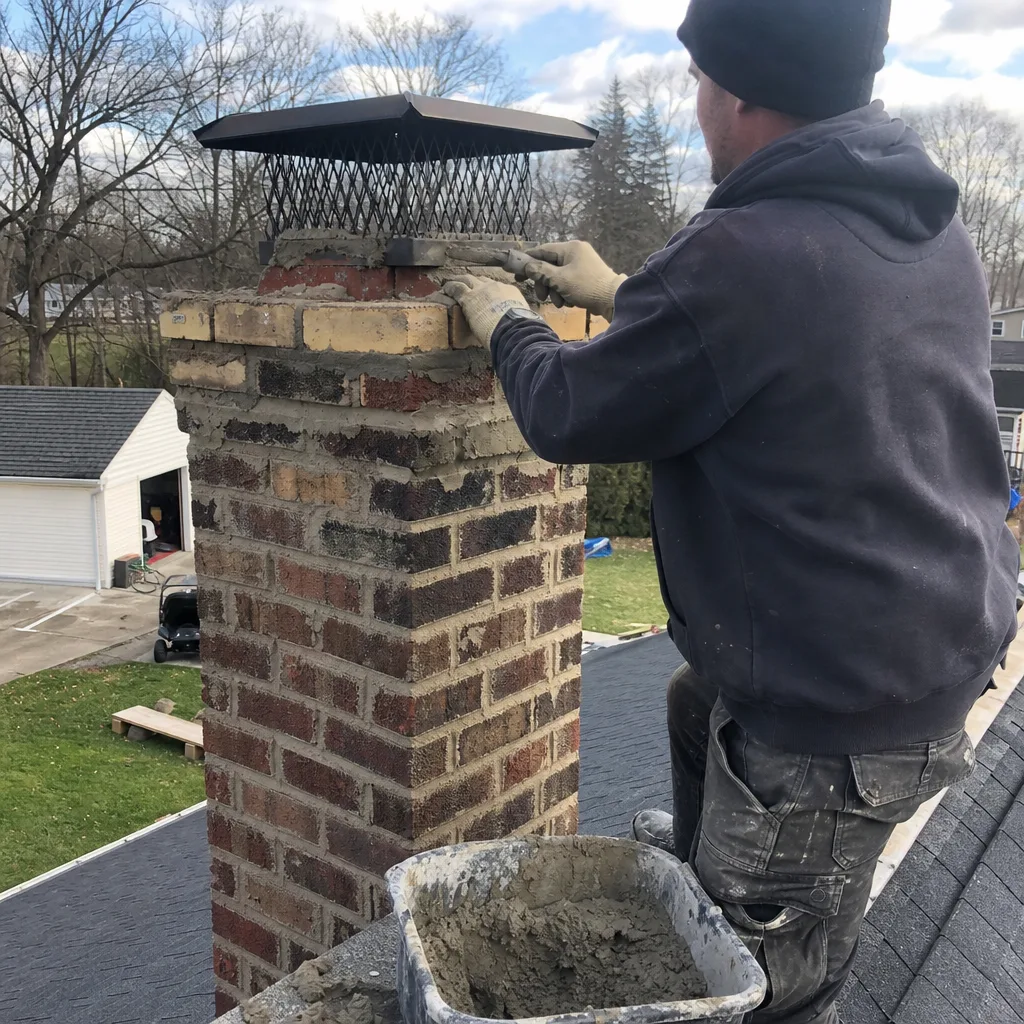
Home insurance underwriting has shifted. Where carriers once accepted a sweep receipt as proof of maintenance, many now ask for documented evidence that the chimney was inspected as well as cleaned. The reason is claims data: chimney fires in “maintained” systems often trace back to undetected liner damage or incomplete deposit removal.
A receipt shows date, amount, and business name. It doesn’t show:
- Whether the flue was examined before sweeping
- What condition the liner was in
- Whether creosote was fully removed or just disturbed
- Whether the technician found defects that affect safety
A record shows all of this. In our experience with Lansdale homeowners, those with documented Level 2 records from Level Two Chimney Lansdale have smoother claims processes when chimney-related damage occurs. Those with only receipts face more scrutiny, delays, and sometimes denials based on “failure to maintain.”
We include the documented photo record on every visit as standard - not an optional add-on, not a line-item upsell. It’s Clause 4 of the Haven Standard, and it’s been our practice since 2009.
Pricing and What Affects Cost in Lansdale
Chimney cleaning in Lansdale ranges from $199 to $349 for a standard sweep with Level 2 inspection. Several factors move the price within that range:
| Factor | Typical Impact |
|---|---|
| Standard sweep + Level 2 inspection, sound liner | $199-$249 |
| Heavy Stage 2-3 creosote requiring chemical pretreatment | $269-$319 |
| Unlined or damaged flue needing assessment for liner repair | $299-$349 (assessment included; repair quoted separately) |
| Multiple flues (fireplace + furnace) | Add $89-$129 per additional flue |
| Accessibility issues (steep roof, limited interior access) | Case by case, quoted in writing before work |
We source materials through Haven’s buying network - DuraFlex, HeatShield, Gelco, Olympia Chimney, Famco, and Copperfield - specifically to keep customer prices honest. No markup theatre, no “materials surcharge” added after the fact.
Every price is written before work starts. Haven Standard Clause 1. No exceptions. If you have a competitor’s written estimate, we offer a Free Second Opinion - bring it in, and we’ll review it against what our camera shows in your flue.
How Often Lansdale Homeowners Should Schedule
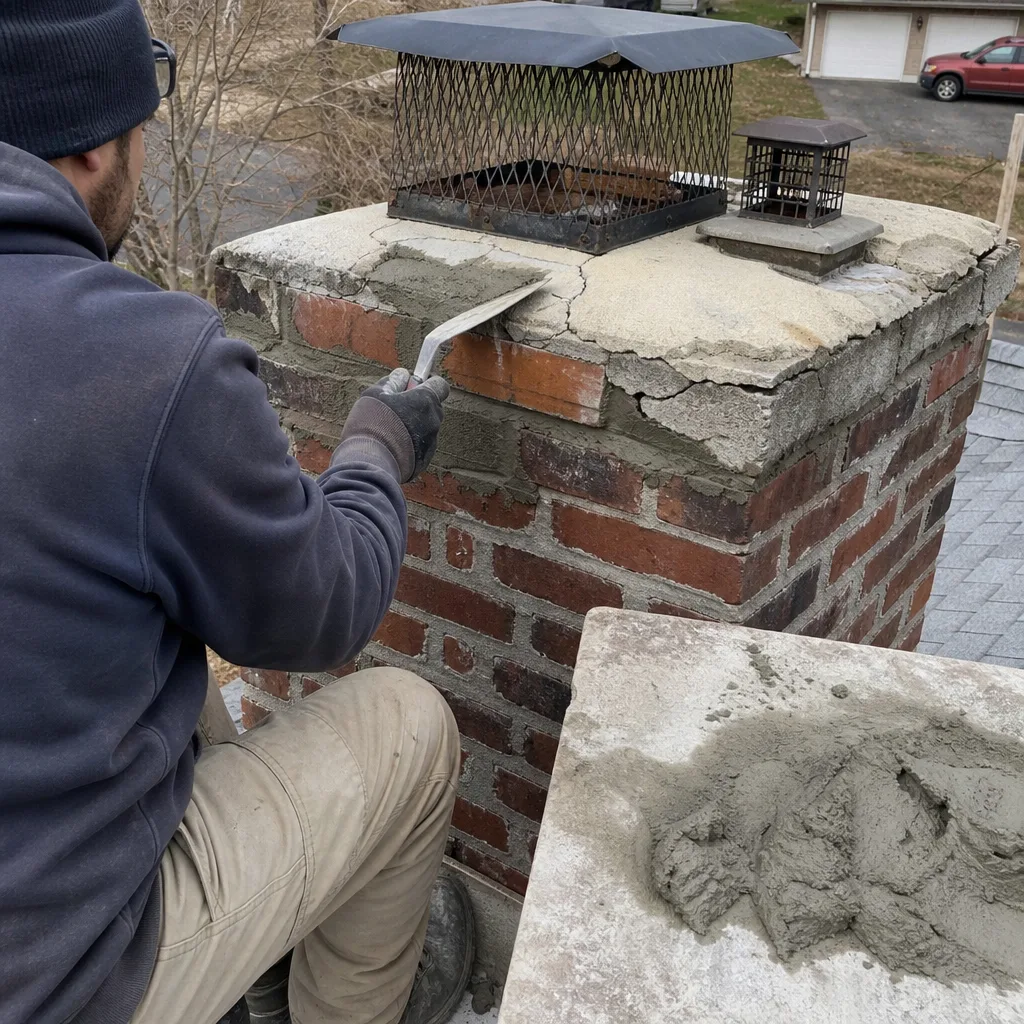
The NFPA 211 recommends annual inspection for all chimneys, with cleaning frequency based on creosote accumulation. In practice, Lansdale’s climate and housing patterns create seasonal chimney cleaning schedules for different homeowner profiles:
Wood-burning primary heat (oak, hickory, or mixed hardwood): Annual sweep and inspection, typically before the heating season begins in October. Lansdale’s cold snaps in late November can catch homeowners who delay. We’ve seen heavy Stage 3 buildup in homes near the Towamencin border where homeowners burned four cords of oak annually without cleaning.
Occasional wood-burning (weekend fires, holidays): Inspection every 12 months, sweep every 1-2 years depending on deposit rate. The camera inspection determines whether sweeping is needed each cycle.
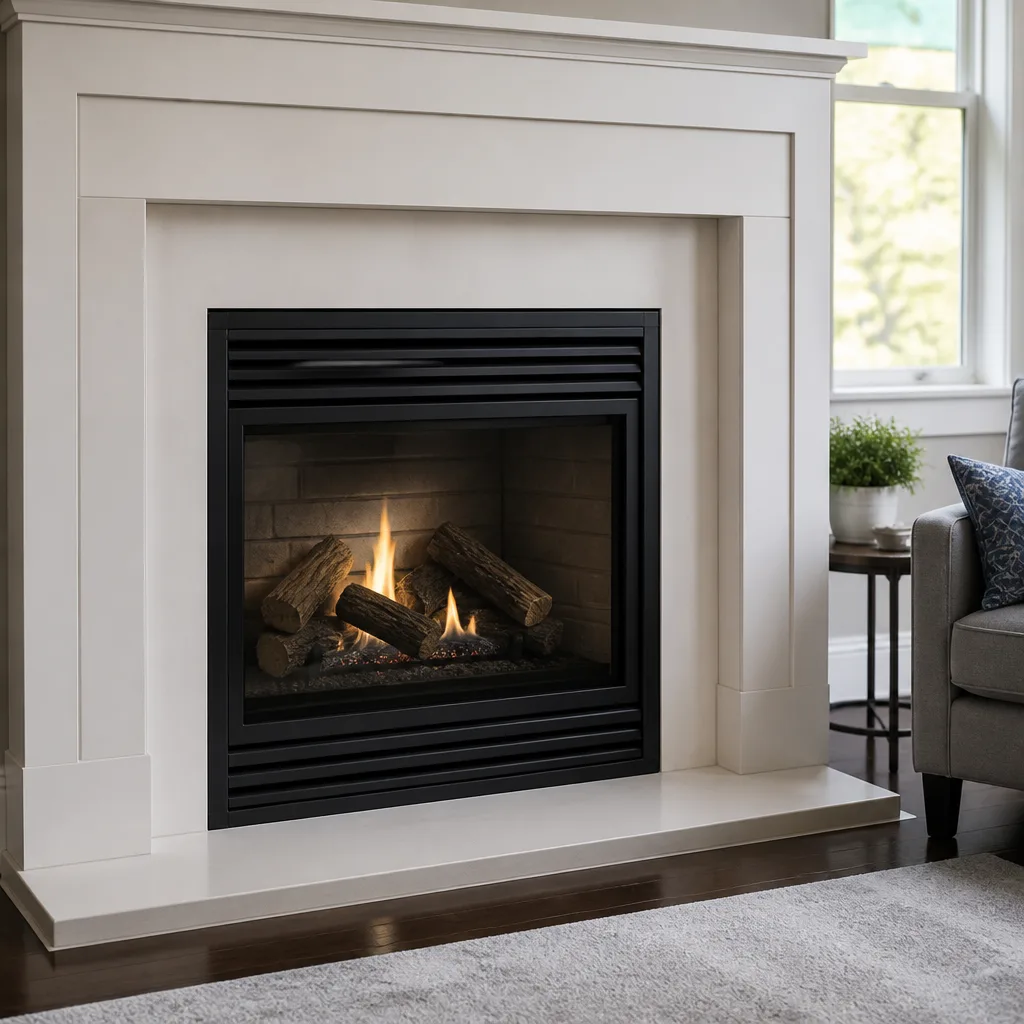
Gas logs in original masonry fireplace: Inspection every 1-2 years. Gas burns cleaner than wood, but moisture from combustion still degrades liners, and gas logs can mask liner damage that a camera would catch. Fireplace Services in Lansdale covers gas log maintenance and conversion assessments.
Gas furnace / water heater venting into chimney: Annual inspection critical. These appliances produce lower-temperature flue gases that condense moisture in the flue, accelerating liner deterioration. Many Lansdale homeowners don’t realize their furnace vents into the same flue as their fireplace until a camera inspection shows the connection.
The definitive answer comes from the camera, not the calendar. We’ve found flues that needed cleaning after six months and flues that were still clean after two years. The inspection determines the schedule; the schedule doesn’t determine the inspection.
Common Mistakes to Avoid
- Hiring based on lowest price alone. A $99 sweep special in Lansdale often skips the camera, skips the documentation, and sends a subcontractor with no license displayed. The savings evaporate when your insurer denies a claim for lack of records.
- Assuming “cleaned last year” means inspected last year. Many homeowners conflate the two. A brush down the flue without camera documentation is cleaning without inspection. You don’t know what condition your system is in.
- Ignoring the smoke chamber. This sloped area above the firebox is where shelf creosote forms most dangerously. Some sweeps stop at the flue and never address the chamber. We include it in every scope.
- DIY creosote removal with hardware-store chemicals. These products can damage clay liners and stainless steel alike, and they don’t address the underlying cause of buildup. For genuine Stage 3 glaze, professional chemical modification followed by mechanical sweep is the safe standard.
- Skipping service because “we barely use the fireplace.” In Lansdale’s humid summers, moisture intrusion through a cracked crown or missing cap can degrade liners even without burning. Annual inspection catches this dormant damage.
- Accepting verbal estimates. A price given over the phone or at your door without written scope is not binding. Haven Standard Clause 1 exists because we’ve seen too many homeowners surprised by final invoices that doubled the verbal quote.
When to Call a Professional
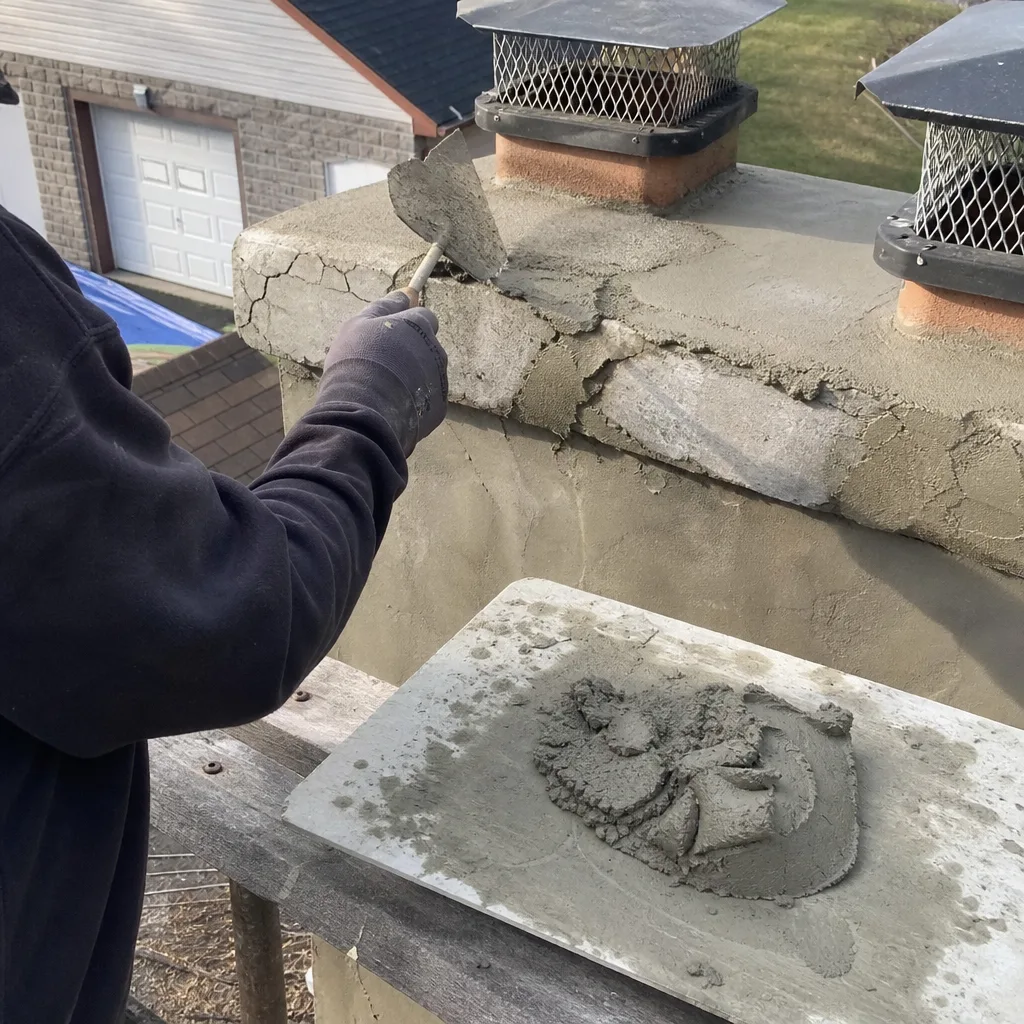
Call for service before the situation becomes urgent. Specific triggers: visible creosote flakes in the firebox, smoke backing up into the room, a strong tar odor when the fireplace isn’t in use, or any suspicion of liner damage after a chimney fire event. Chimney Repair in Lansdale covers structural and liner work when inspection finds damage beyond what sweeping can address.
Level Two Chimney Lansdale offers free estimates in Lansdale - call (267) 327-4785. A live person answers 24 hours a day, 7 days a week. You’ll speak with someone who can schedule your camera inspection, explain the five-step sequence, and deliver a written price before any work begins. Background-checked, uniformed technicians. License number on every page. Text notification when your tech is on the way.
Frequently Asked Questions
A standard chimney sweep with Level 2 camera inspection in Lansdale costs $199-$349, depending on creosote buildup severity and liner condition. Heavy Stage 3 deposits or unlined flues requiring assessment fall at the higher end. Call (267) 327-4785 for an exact quote - estimates are free.
You need a new liner only if the camera inspection shows cracks, gaps, or deterioration that compromise containment of combustion gases. We don’t recommend liner replacement without photo evidence you can see for yourself. Many Lansdale chimneys clean up fine and need only annual monitoring. Call (267) 327-4785 for a camera inspection that answers this for your specific flue.
Wood-burning systems used as primary heat need annual sweeping and inspection. Occasional wood-burning and gas systems typically need inspection every 1-2 years, with sweeping as the camera indicates. Lansdale’s older housing stock and hardwood burning patterns mean we see more frequent heavy buildup than in areas with newer, gas-dominant heating.
Skipped cleaning allows creosote to accumulate, increasing chimney fire risk and restricting draft. In Lansdale’s pre-1970 homes with unlined flues, the risk is compounded - a chimney fire in a deteriorated clay flue can breach the masonry and ignite adjacent framing. Carbon monoxide leakage through cracked liners is the less visible but equally serious hazard. The camera inspection determines whether your system is accumulating risk or running clean.
Level 1 is a visual check from accessible areas with a flashlight. Level 2 adds camera examination of the interior flue surfaces, required for annual service, real estate transactions, and after any chimney fire or seismic event. Level 2 is the standard we apply on every Lansdale visit - it’s the only way to see liner cracks, offset joints, and shelf creosote that a flashlight misses.
We answer calls live 24 hours a day, 7 days a week, and prioritize urgent situations such as suspected chimney fires, carbon monoxide detector activation, or sudden draft failure. We don’t promise same-day dispatch for routine sweeps - those are scheduled to allow proper preparation - but genuine emergencies get immediate attention and next-available technician assignment.
The Bottom Line
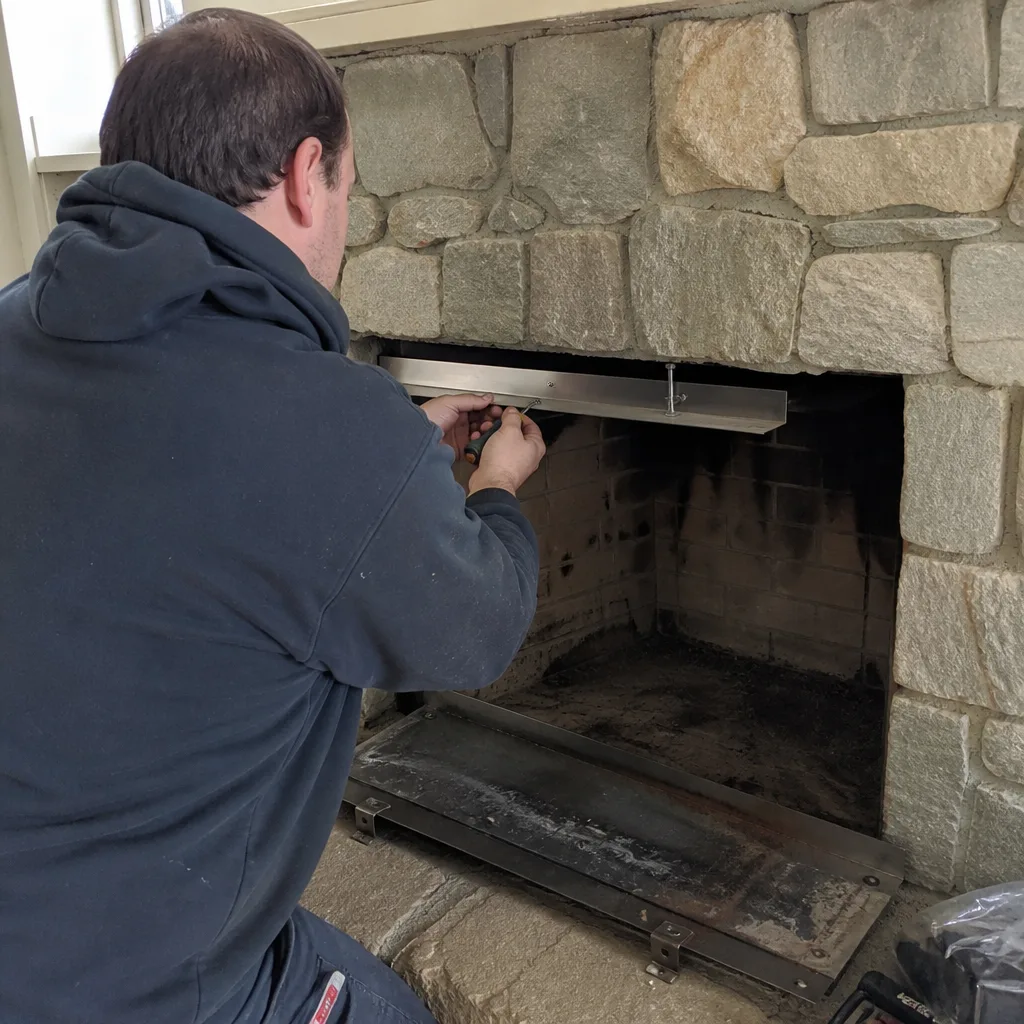
Chimney cleaning in Lansdale is not a single task but a five-step sequence: camera scan, condition rating, written scope, sweep, and documented close-out. Each step feeds the next, and skipping any step leaves you with a receipt instead of a record. In a market of older homes and evolving insurance requirements, the record is what protects your home value and your coverage. Level Two Chimney Lansdale has followed this sequence on more than 38,000 visits since 2009, with a written price before every job and a photo record after. The standard exists. The question is whether your sweep follows it.
Written by Corrine Halstead, Owner at Level Two Chimney Lansdale, serving Lansdale since 2009.