
Last updated September 22, 2026
Level 1 sweep and inspection to the NFPA 211 annual standard - flue, crown, cap, and flashing checked and photographed
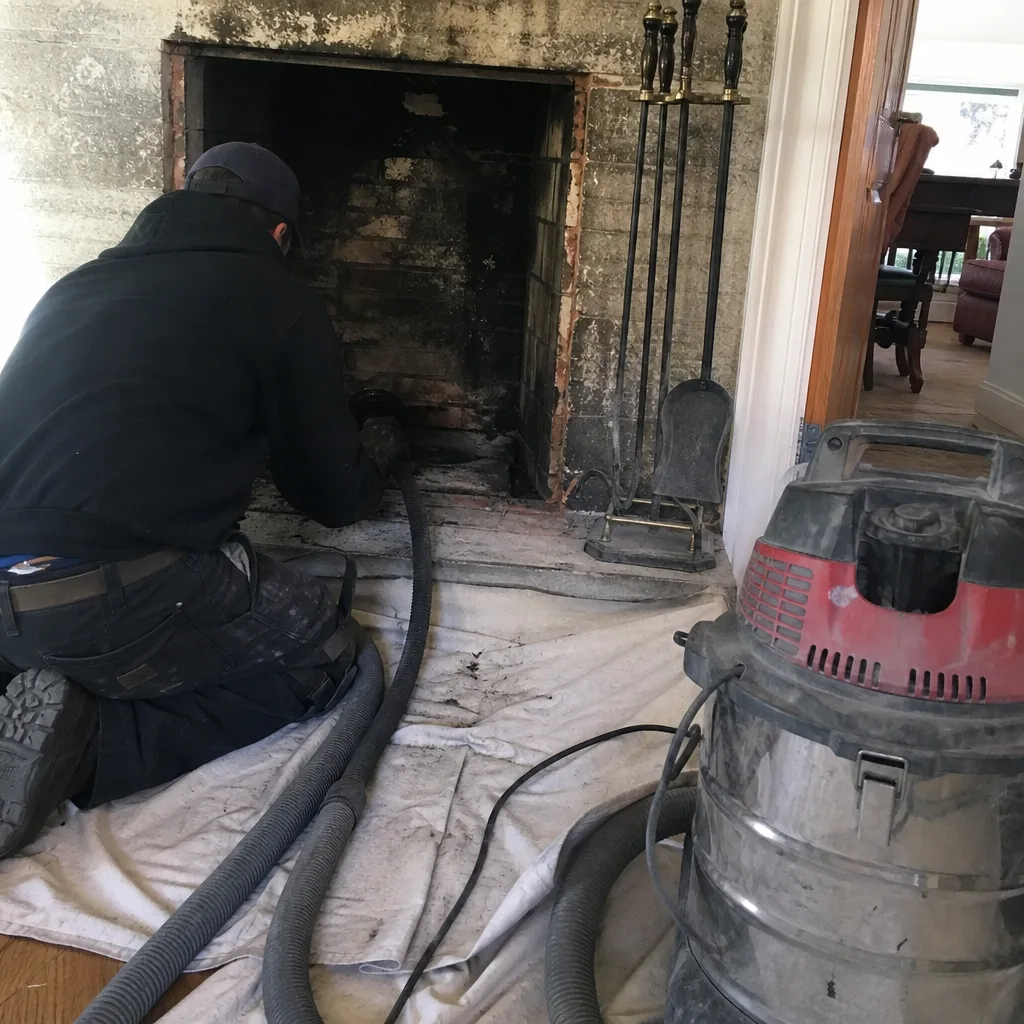
Chimney sweep logs do not sweep chimneys. They loosen some creosote - which then falls where a brush and vacuum still have to collect it.
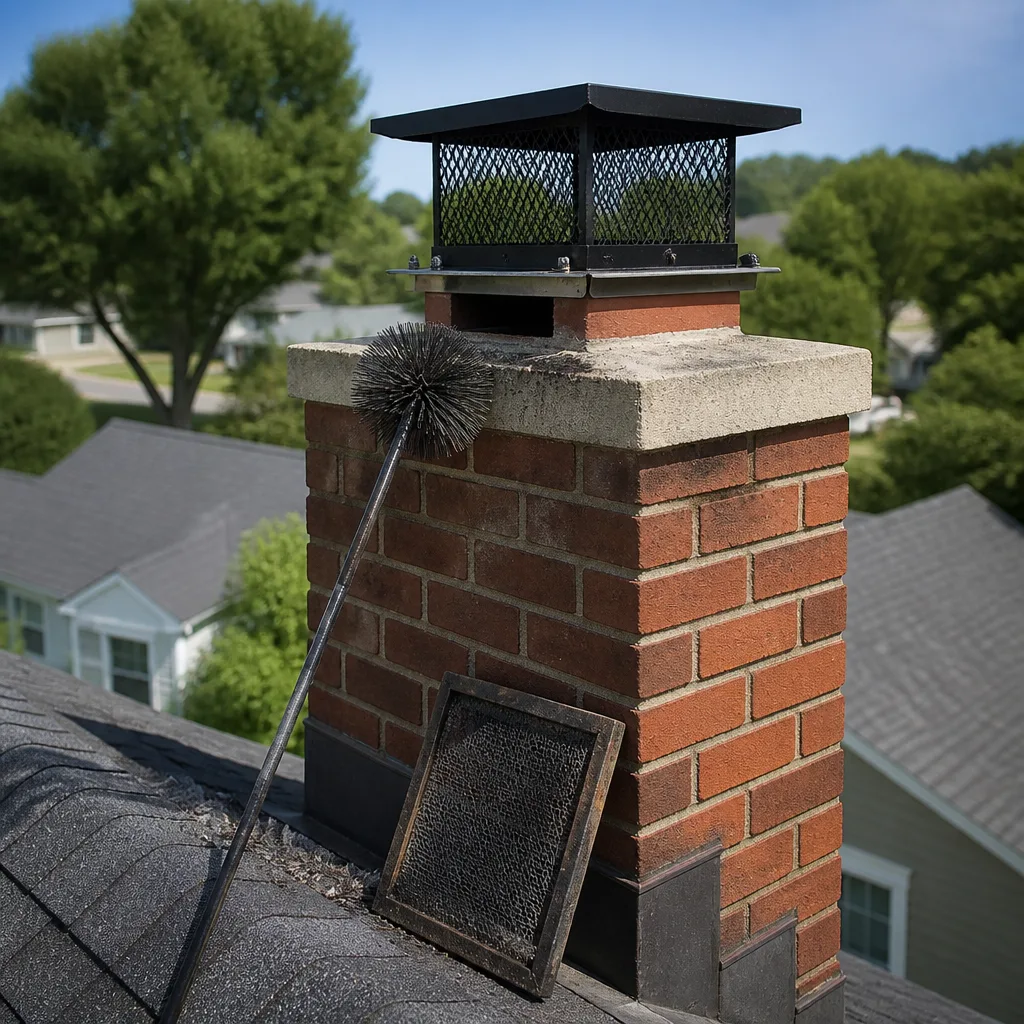
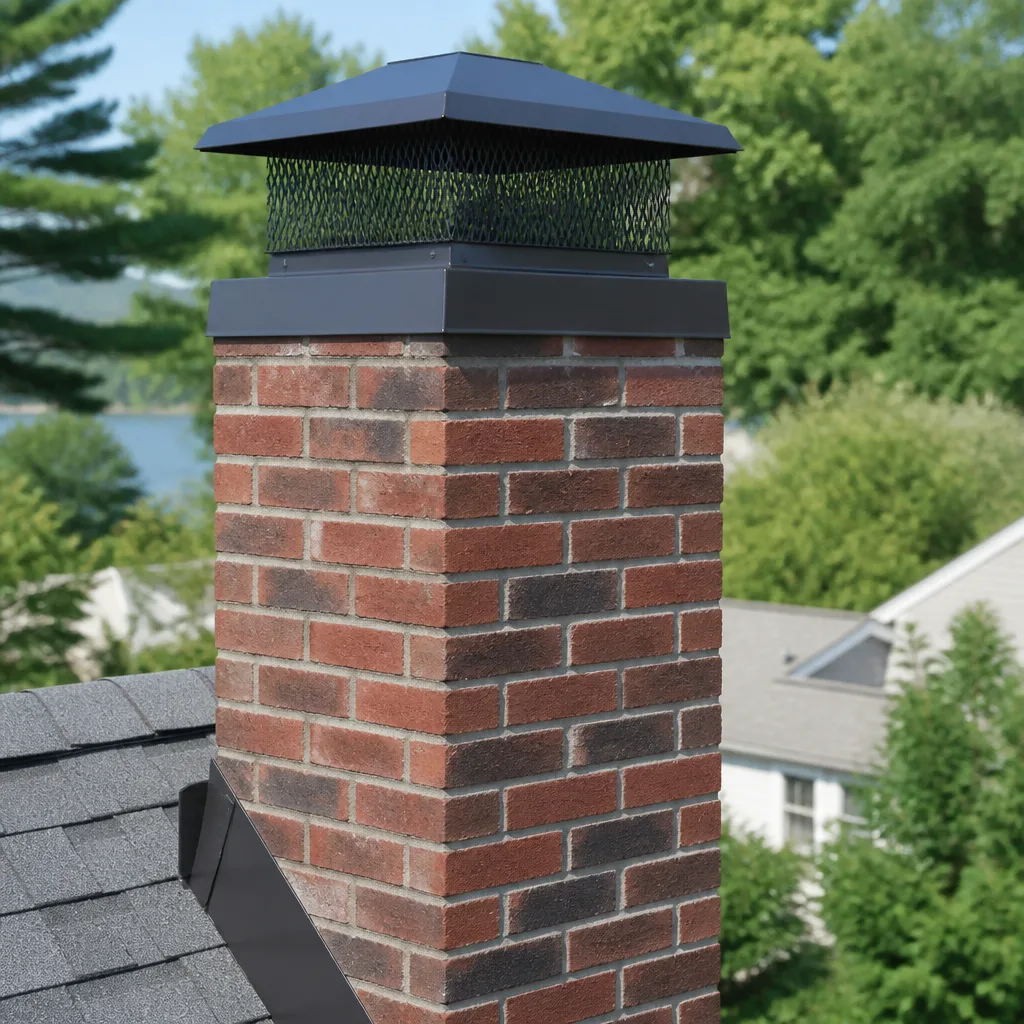
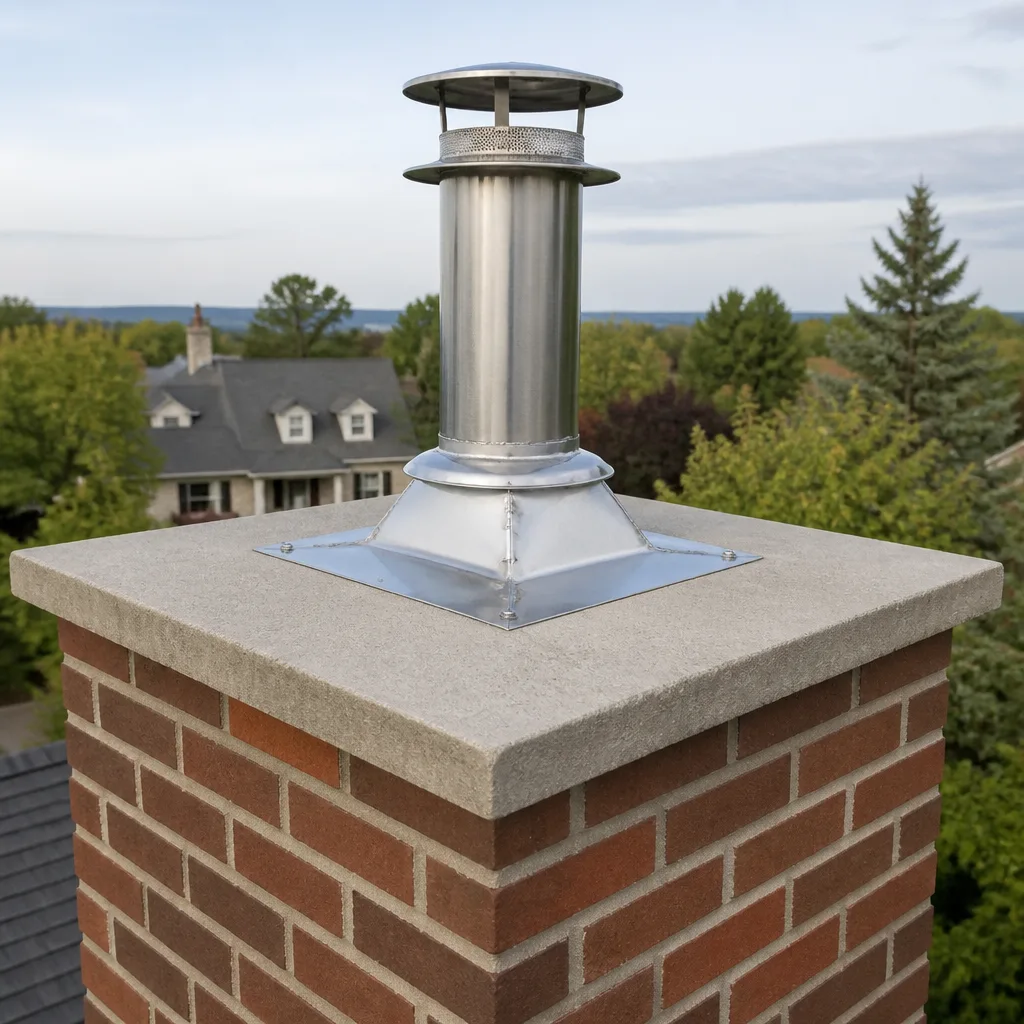
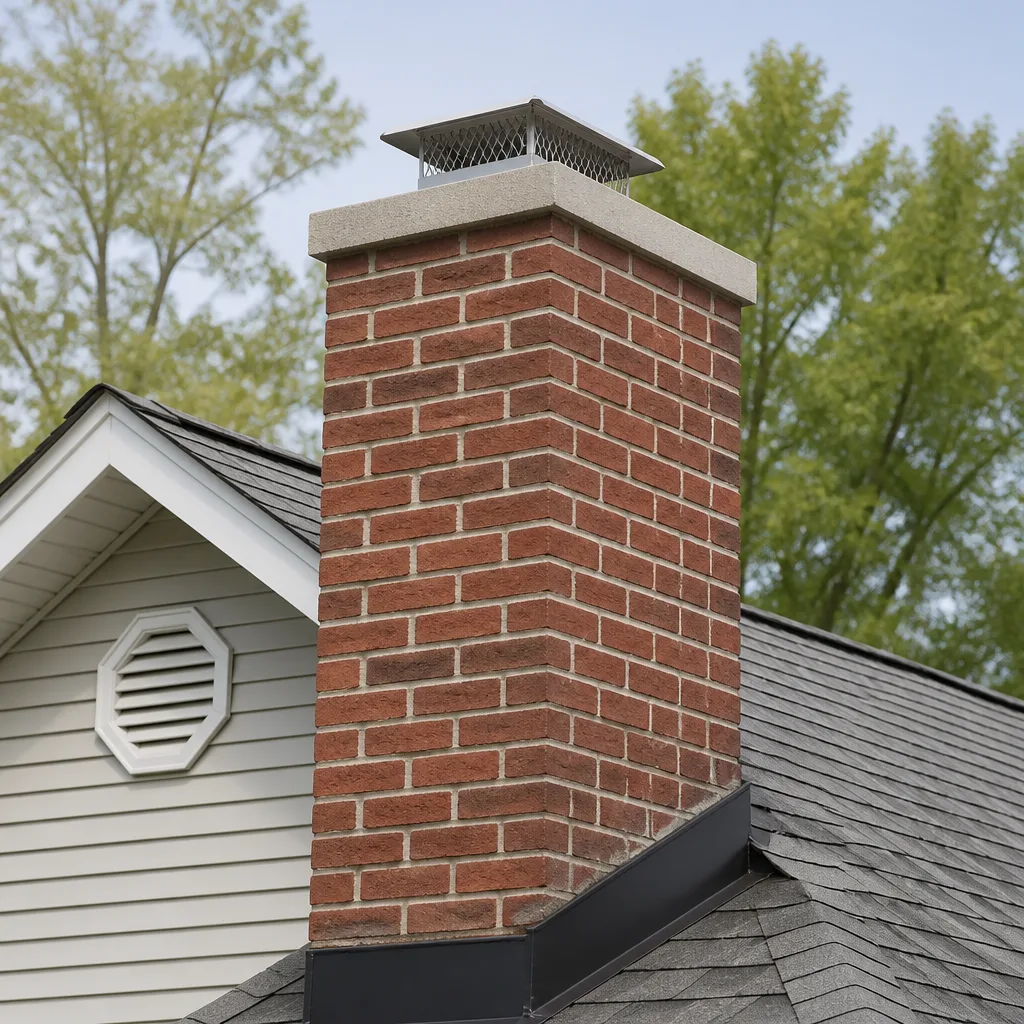
 Before
 After
After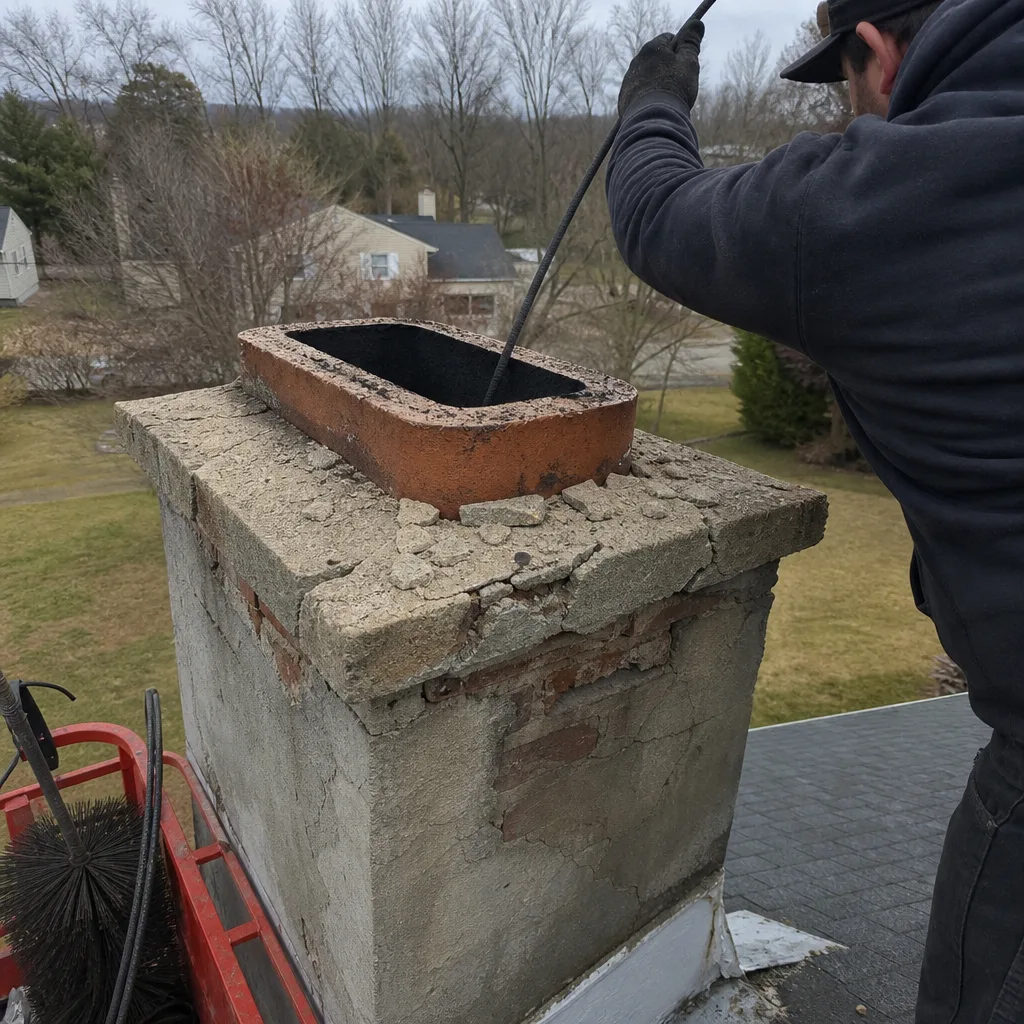 Before
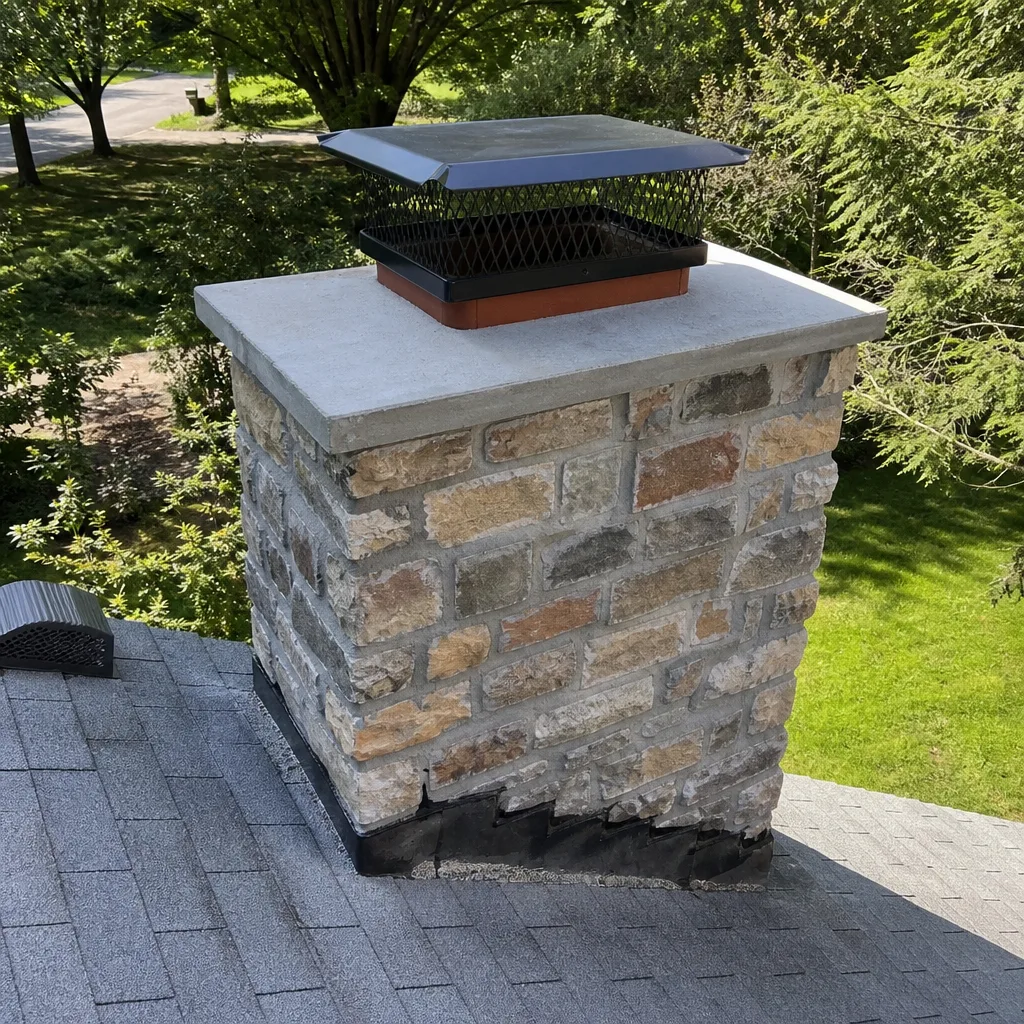 After
After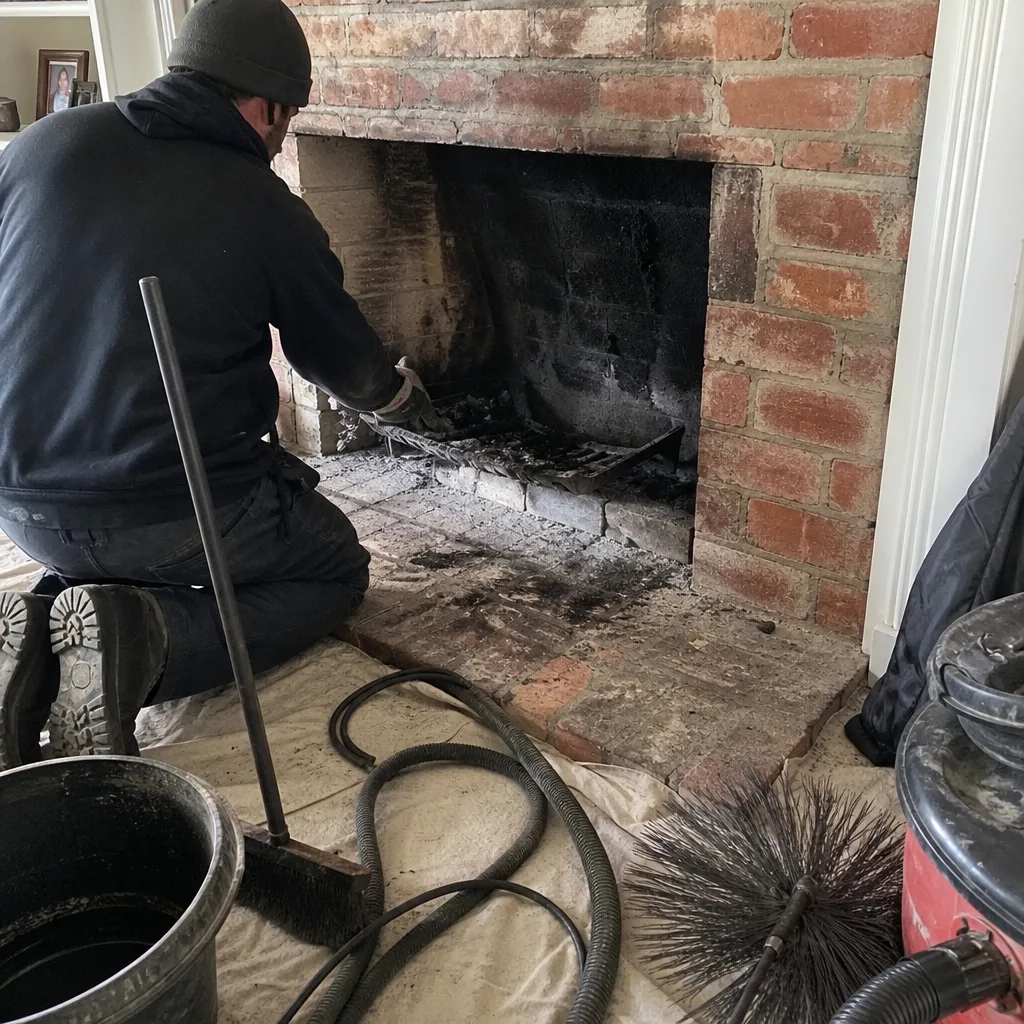 Before
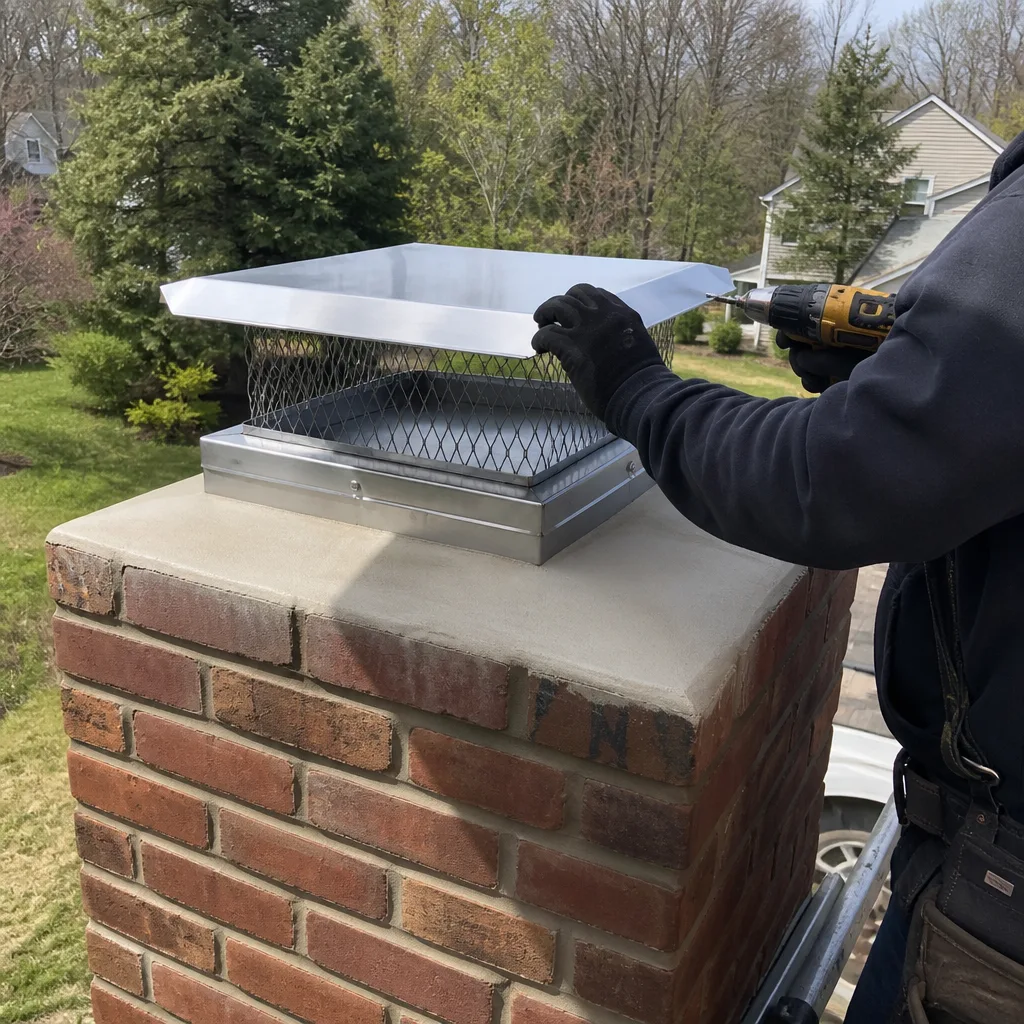 After
AfterChimney Cleaning Warning Signs: A Lansdale Homeowner’s Reference Guide
The two warning signs most likely to precede a chimney fire, glazed black deposits visible at the firebox opening and a sharp petroleum-like odor in summer, are also the two most commonly dismissed as aesthetic problems by homeowners and undertrained sweeps alike. In Lansdale, where many homes built between 1960 and 1990 still run original clay flue liners through masonry chimneys that have survived dozens of ice-dam winters, knowing which sign means “call today” and which means “note for next fall” can be the difference between a routine sweep and a structure fire. This reference assigns every observable sign a severity tier, a likely cause, and a specific action, so you never waste money on false urgency and never miss a hazard hiding in plain sight.
Quick Answer
Most chimney warning signs fall into three tiers: Tier 1 signs like thick glazed creosote, acrid chemical odors, or visible flames outside the firebox mean stop using the fireplace and call a professional the same day; for context on what professional cleaning involves, see The Complete Guide to Chimney Cleaning in Lansdale. Tier 2 signs including crown cracks with missing mortar, rusted damper hardware, or white efflorescence spreading below the roofline should prompt a Level 2 inspection within 30 days. Tier 3 signs such as minor surface crazing on the crown, faint smoke smell after rain, or slight discoloration on exterior brick can be documented and monitored until your next annual sweep.
Table of Contents
- The Tiered Warning Sign System Every Lansdale Homeowner Needs
- How to Identify Stage-2 vs. Stage-3 Creosote at the Firebox Level
- White Staining: Efflorescence vs. Liner Condensate and Why the Difference Matters
- Structural Warning Signs You Can Spot Without a Ladder
- Lansdale’s Ice-Dam Pattern: Clustered Warning Signs and Faster Escalation
- Common Mistakes to Avoid
- When to Call a Professional
- Frequently Asked Questions
 Before
 After
AfterThe Tiered Warning Sign System Every Lansdale Homeowner Needs
Generic warning sign lists fail because they treat a cracked crown and a blocked flue as equally urgent. They’re not. We’ve organized what we see in Lansdale homes into three action tiers based on fire risk, carbon monoxide exposure potential, and rate of structural deterioration.
Tier 1: Stop Using, Call Same Day
These signs indicate active combustion hazard or imminent structural failure. Do not light another fire.
- Glazed black or mirror-like deposits at the firebox opening. This is Stage 3 creosote, a hardened, fuel-saturated residue that ignites at lower temperatures than raw wood. It cannot be removed with standard brushes. In our experience across Lansdale’s older neighborhoods like Upper Gwynedd and Towamencin, we find this most often in homes where the previous owner burned unseasoned firewood or where the chimney was “swept” by a company that never ran a camera to verify flue condition.
- Sharp petroleum, asphalt, or chemical odor from the fireplace in summer. This indicates pyrolysis of accumulated creosote, a pre-ignition chemical breakdown that releases volatile compounds. The smell intensifies with heat and humidity, which makes Lansdale’s July and August particularly revealing months. If you smell this, creosote is actively degrading and the ignition temperature is dropping.
- Visible flames, glowing material, or sparks exiting the chimney top or mortar joints. This is chimney fire activity, even if brief. The fire may have self-extinguished, but liner damage is nearly certain. Clay flue tiles crack under thermal shock at temperatures above 1,800°F, and those cracks create pathways for combustion gases into wall cavities.
- Smoke backing up into the room that does not clear with an open window or door. Persistent smoke spillage indicates blocked flue, damaged liner, or negative pressure conditions that can shift from nuisance to carbon monoxide hazard without warning.
- Fallen tile fragments or sandy debris in the firebox. Pieces of clay flue liner in the ash bed mean the liner has spalled or cracked. The chimney is no longer a contained exhaust path.
Tier 2: Schedule Level 2 Inspection Within 30 Days
These signs indicate developing problems that will worsen but do not pose immediate combustion risk if the fireplace remains unused.
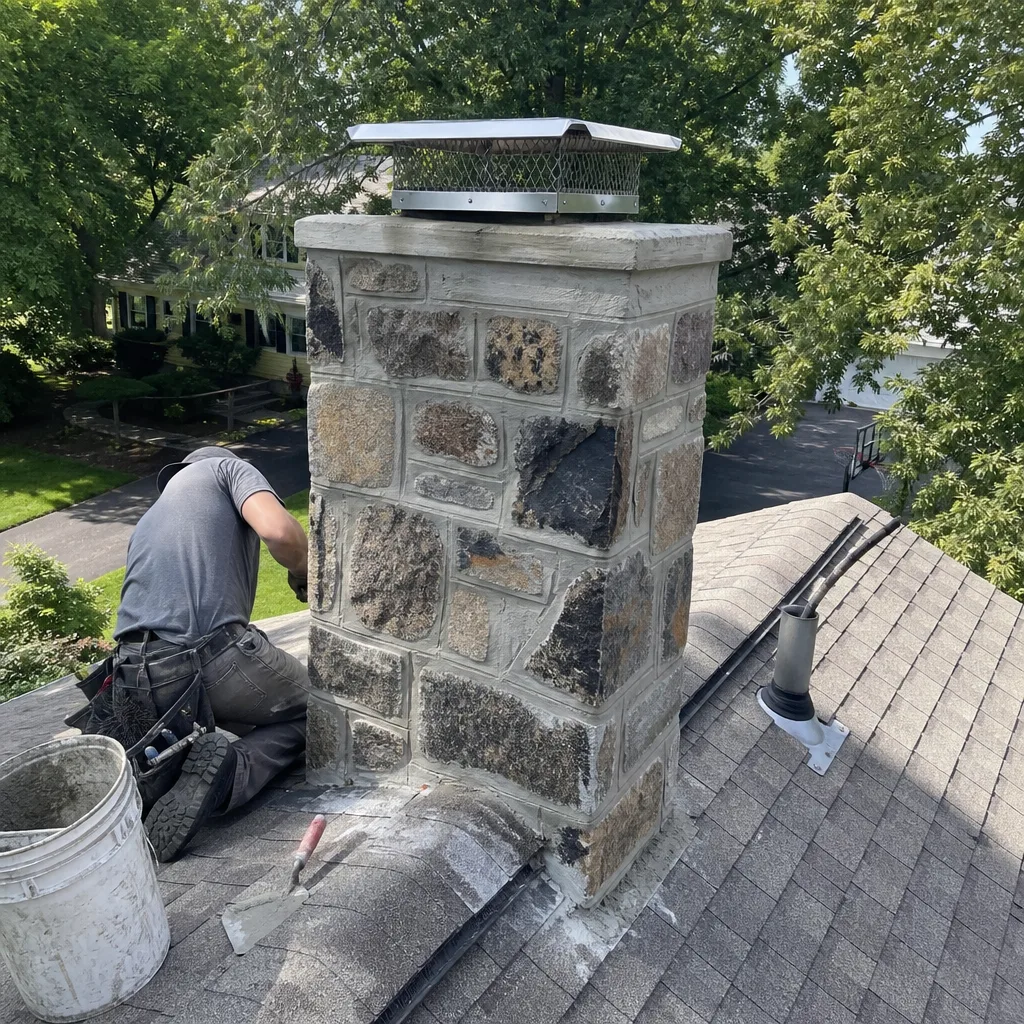
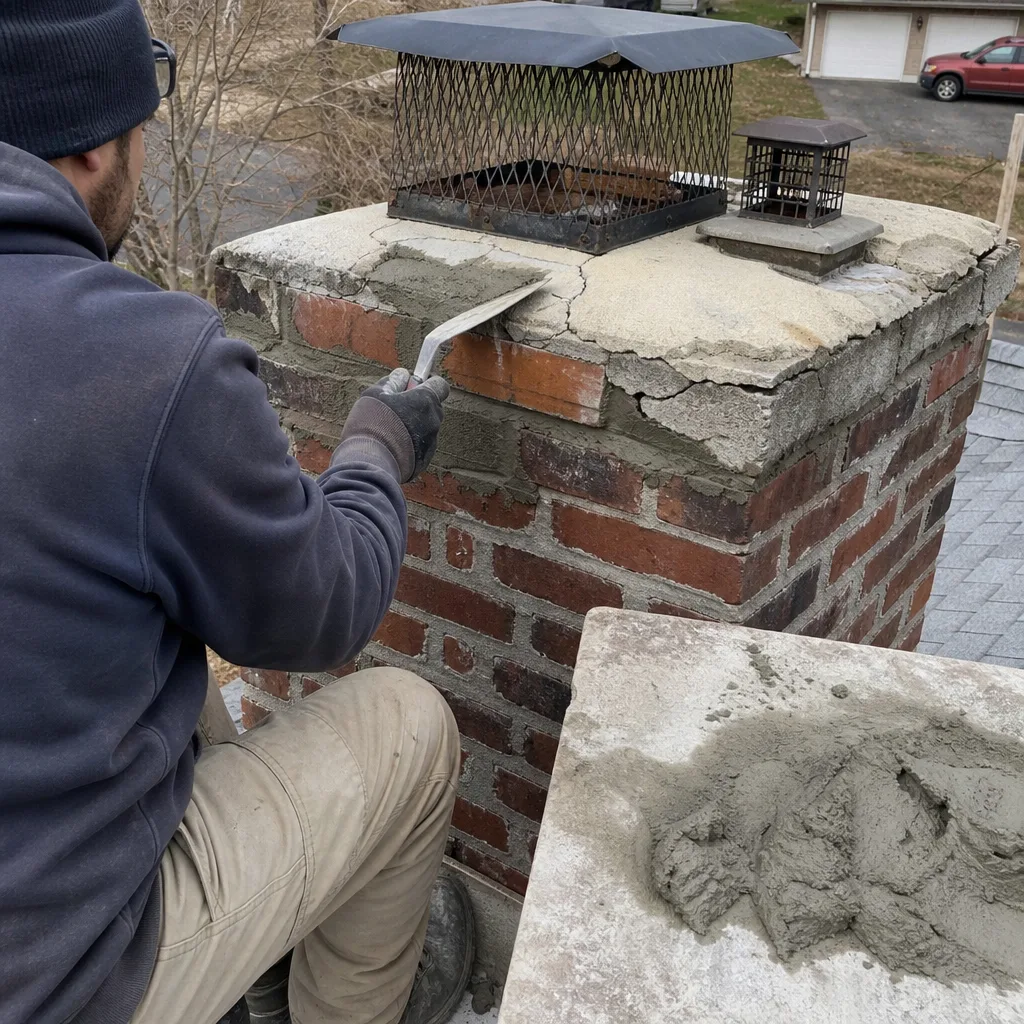
- Crown cracks with missing mortar or visible gaps to the flue interior. A sound crown sheds water away from the flue. Once water reaches the flue liner through crown damage, freeze-thaw cycling in Lansdale’s late winter accelerates liner deterioration. Surface hairline cracks without material loss are Tier 3; cracks you can fit a coin into, or cracks that run parallel to the flue edge, are Tier 2.
- Rusted damper assembly or hardware that no longer opens fully. Rust indicates chronic moisture intrusion, often from a failed chimney cap or crown leak. A stuck damper prevents proper draft and can force combustion gases into living space.
- White efflorescence spreading below the roofline or across multiple courses of brick. This is mineral salt deposition from water moving through masonry. The distinction from liner condensate haze matters, which we cover in the next section. Widespread efflorescence means water is finding a path through the chimney structure, and that path will enlarge.
- Discolored or warped wallboard, peeling wallpaper, or stained ceiling near the chimney chase. These are interior indicators of water intrusion that has bypassed the exterior masonry. By the time interior finishes show damage, the chimney structure has been wet for multiple seasons.
- Animal entry evidence: nesting material, droppings, or audible scratching during daylight hours. Blockage risk is obvious, but less obvious is the acidic degradation of mortar from animal waste. Raccoons and squirrels are common in Lansdale’s mature-tree neighborhoods; their nests also harbor parasites.
Tier 3: Document and Monitor Until Next Annual Service
These signs are cosmetic or early-stage conditions that should be tracked but do not require immediate intervention.
- Surface crazing on the crown: a network of shallow, irregular cracks without lifting or spalling. This is normal weathering of Portland cement crowns after 10-15 years. We photograph it, measure crack width, and compare annually. Crazing becomes Tier 2 when cracks deepen enough to admit a fingernail or when pieces begin to dislodge.
- Faint smoke smell in the firebox 24-48 hours after rain. This indicates minor leakage at the cap or crown that wets residual soot. Annoying, not hazardous, unless the smell persists or strengthens.
- Slight discoloration or darkening on exterior brick below the crown. Often mistaken for mold, this is typically soot wash-down from minor cap leakage. We note location and photograph for comparison.
- Minor mortar joint erosion between bricks, no deeper than 1/4 inch. Normal aging in Lansdale’s freeze-thaw climate. Repointing becomes advisable when erosion reaches 1/2 inch or when multiple adjacent joints are affected.
How to Identify Stage-2 vs. Stage-3 Creosote at the Firebox Level
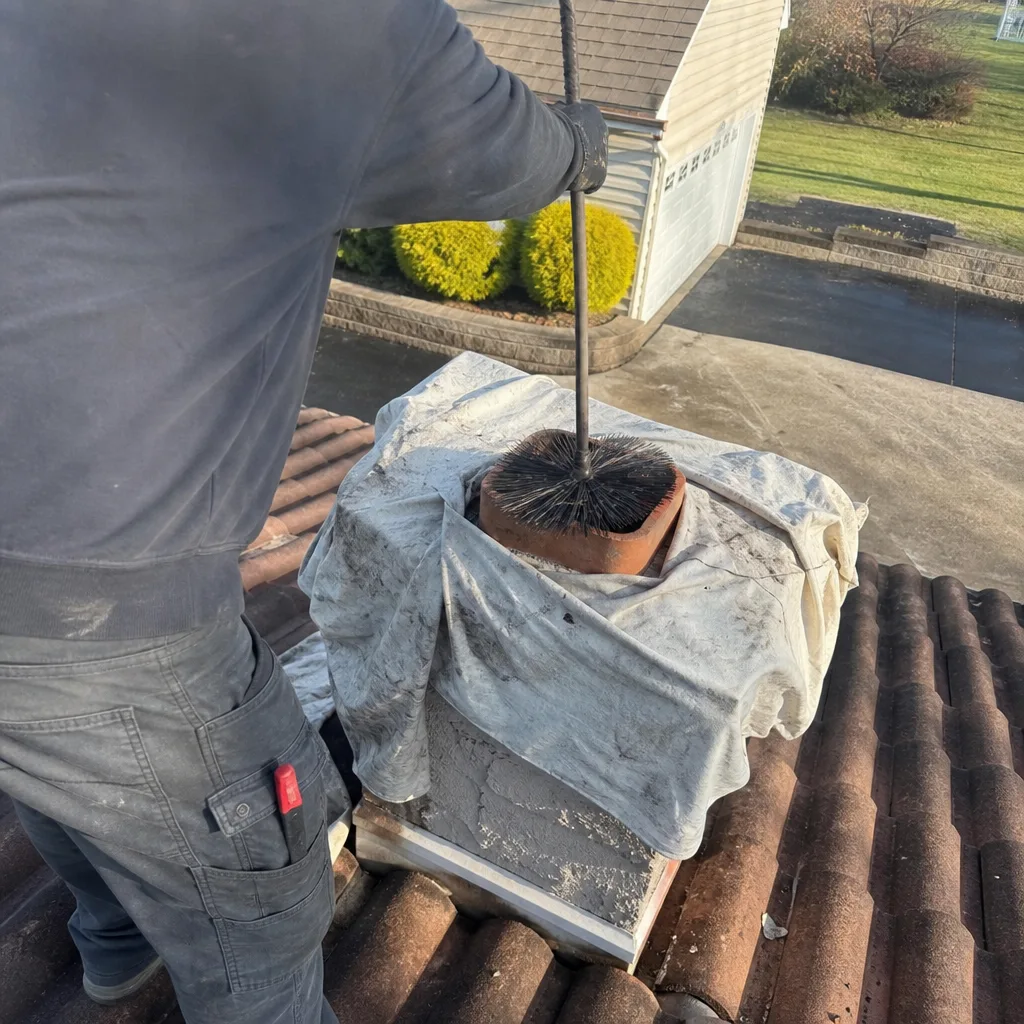
Not all black buildup is equal. The stage of creosote determines whether a standard sweep removes it, whether specialized equipment is needed, or whether the liner itself requires replacement. Homeowners can make a reasonable preliminary assessment without tools, and that assessment determines whether you need a Chimney Cleaning & Sweep in Lansdale or a more involved repair evaluation.
Stage 2: The Crumbly Layer
Stage 2 creosote looks like flaky black chips or porous, charcoal-like material. It breaks apart under light pressure from a fireplace tool. It smells like campfire, not chemicals. This accumulates when wood burns incompletely due to insufficient air supply, oversized firebox, or marginal fuel moisture. A standard rotary sweep with polypropylene brushes removes it completely. In Lansdale, we see Stage 2 most often in homeowners who burn kiln-dried hardwood but run dampers partially closed for “overnight” burns.
Stage 3: The Glazed Hazard
Stage 3 creosote is glossy, hardened, and ranges from deep brown to black. It reflects light like obsidian or tar. It does not flake; it chips in conchoidal fractures like glass. The odor is sharp, acrid, and petroleum-like even when cold. This forms when Stage 2 material is subjected to repeated heating cycles without removal, melting and re-solidifying into a dense, fuel-rich glaze. Standard brushes will not touch it. Removal requires rotary chains or chemical treatment, and the process generates significant dust that must be contained with HEPA vacuums.
The critical distinction: Stage 2 feels like crumbly cake; Stage 3 feels like hardened candy shell. If you’re uncertain, assume Stage 3 and request a camera inspection before any burning continues. We’ve found Stage 3 glaze more than 1/4 inch thick in Lansdale chimneys where the homeowner was told “it looks dirty but it’s fine” by a sweep who never looked past the firebox.
The Tactile Test (With Caution)
- Allow the firebox to cool for at least 12 hours after last use.
- Wear a disposable glove. Do not use bare skin; creosote is a skin irritant and suspected carcinogen.
- Reach up toward the flue opening and touch the inner wall at the smoke chamber level, roughly 12-18 inches above the firebox floor.
- If material comes away as dry flakes or powder, you’re likely at Stage 2.
- If the surface is hard, smooth, and leaves a tacky residue on the glove, you’re at Stage 3. Stop the test and call for inspection.
Under Clause 4 of the Haven Standard, our Level Two Chimney Lansdale home visits include a camera scan that shows you exactly what stage exists at every foot of the flue, not just what you can reach by hand.
White Staining: Efflorescence vs. Liner Condensate and Why the Difference Matters
White staining on chimneys generates more unnecessary alarm and more missed diagnoses than any other exterior sign. Two entirely different mechanisms produce visually similar results, and the wrong interpretation leads to the wrong spending.
Efflorescence: The Masonry Signal
Efflorescence is crystalline salt deposited on the exterior brick surface as water evaporates. It appears as a fuzzy, three-dimensional white growth that you can brush off with a stiff broom, though it will return if the moisture source persists. The salts are drawn from within the mortar and brick itself. In Lansdale, we see pronounced efflorescence after ice-dam winters on chimneys with failed crowns or missing cap flues, particularly on north-facing exposures where snow melt is slow and freeze-thaw cycles are frequent.
Efflorescence tells you water is moving through the masonry structure. The response is exterior: crown repair, cap replacement, repointing, or waterproofing with a breathable silane/siloxane treatment. It does not indicate liner failure.
Liner Condensate Haze: The Combustion Signal
Liner condensate haze appears as a flat, chalky white film that does not brush off and often has a faint sulfurous smell when damp. It forms when combustion gases cool below their dew point inside an oversized or uninsulated flue, causing acidic moisture to condense on the liner surface and migrate through microscopic mortar joints to the exterior. The deposit is primarily sulfur compounds and tars, not mineral salts.
This haze tells you the flue is not drafting properly, the liner is too large for the appliance, or the chimney lacks adequate insulation. The response is interior: liner sizing evaluation, potential stainless steel liner installation using DuraFlex or Olympia Chimney materials, or draft induction. Treating the exterior brick will not solve it.
The Field Test
Wet the white area with a spray bottle. Efflorescence will temporarily intensify in whiteness as water dissolves surface salts, then recrystallize as it dries. Liner condensate haze will show minimal change and may produce a faint yellowish tint in the runoff. If you’re uncertain, a camera inspection reveals the distinction immediately: condensate haze correlates with wet, stained liner walls visible on camera; efflorescence correlates with dry liner and wet masonry.
We’ve documented both conditions in Lansdale’s Whites Road corridor, where 1970s split-levels with exterior chimneys commonly suffer liner condensate due to oversized flues originally built for oil furnaces later converted to gas inserts.
Structural Warning Signs You Can Spot Without a Ladder
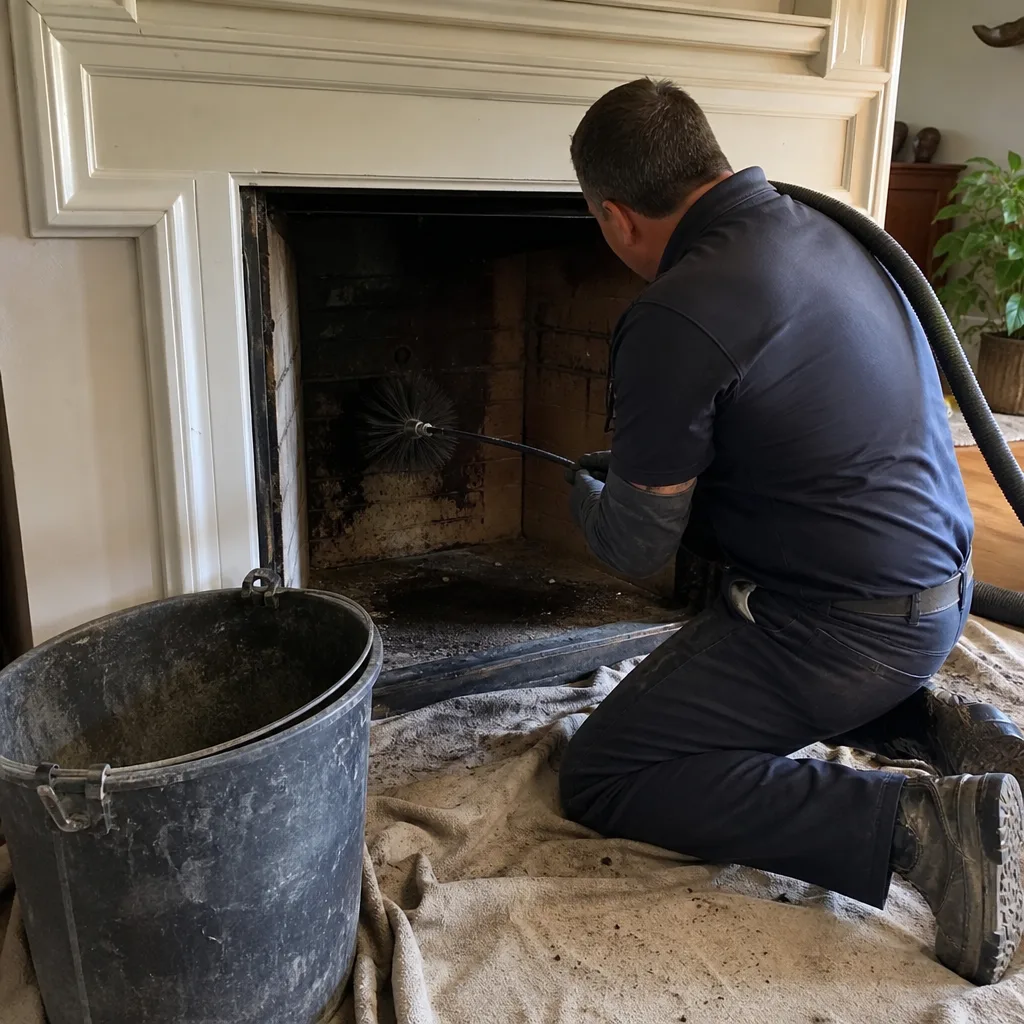
Most homeowners won’t climb a roof, and they shouldn’t need to. Several critical structural indicators are visible from ground level with binoculars or even careful unaided observation.
Crown Cracking Patterns That Matter
All concrete crowns crack eventually. The pattern determines urgency.
- Hairline map cracking (crazing): A network of shallow, random cracks covering the surface like dried mud. Normal aging. Tier 3.
- Radial cracks from flue edge to crown edge: These indicate the crown is separating from the flue tile due to differential expansion. Water enters and freezes. Tier 2 if cracks are narrow; Tier 1 if you can see gaps or lifting.
- Spalling or chipping at the crown edge: Pieces missing, aggregate exposed, or steel reinforcement visible. The crown is no longer protecting the chimney structure. Tier 2, approaching Tier 1 if widespread.
- Crown tilt or settlement: One side visibly lower than the other, or the crown separated from the top course of brick. Structural movement is occurring. Tier 1; foundation or structural evaluation needed.
The Binocular Test for Flashing Separation
Chimney flashing is the metal joint where the chimney penetrates the roof. Separation is a leading cause of interior water damage in Lansdale homes, particularly in the hail-prone spring storms that track up the Route 309 corridor.
- Stand at least 20 feet from the house, positioned to see the chimney-roof intersection.
- Use binoculars (8x magnification is sufficient) and focus on the metal where the chimney meets the shingles.
- Look for lifted edges, gaps where light shows through, or caulk that has pulled away from either surface.
- Check both the uphill (higher roof) and downhill sides; uphill failures admit more water volume.
- Note any shingle granule accumulation at the chimney base, which indicates water washing down the masonry.
Flashing separation is always Tier 2 or higher. Water entering at this point runs down the chimney interior, bypassing exterior waterproofing entirely, and damages structure from inside where it’s invisible until expensive.
Brick and Mortar Assessment from Ground Level
Stand at each corner of the house and sight along the chimney face. Bulging, leaning, or stepped cracking (cracks that follow mortar joints in a stair-step pattern) indicate structural movement. Spalling brick, where the brick face flakes off exposing the softer interior, indicates moisture saturation and freeze damage. In Lansdale, spalling accelerates after winters with multiple freeze-thaw cycles above 20°F, which is most winters.
Our Chimney Repair in Lansdale evaluations include structural documentation with measured drawings, but the preliminary ground-level assessment tells you whether that evaluation is urgent or routine.
Lansdale’s Ice-Dam Pattern: Clustered Warning Signs and Faster Escalation
Lansdale’s climate produces a specific warning sign pattern that separates local experience from generic advice. The region’s ice-dam winters, where melt-refreeze cycles build ice at the eaves, create clustered failures that escalate faster than gradual use-related deterioration.
The Cluster Signature
After a severe ice-dam winter, we commonly find multiple Tier 2 and Tier 3 signs appearing simultaneously: crown cracking, interior water staining, damper rust, and exterior efflorescence. The mechanism is not independent failures but a single event, ice dam backup, forcing water under shingles and into the chimney chase from above. The water then finds every weakness in the system at once.
This clustering matters because homeowners who see one sign and address it in isolation often miss the systemic damage. A new crown on a chimney with saturated interior masonry simply traps moisture. A liner replacement in a chase with ongoing flashing leaks guarantees premature liner failure.
Why Cluster Presentation Means Faster Escalation
Gradual deterioration follows predictable timelines. A crown crack widens over seasons. Efflorescence spreads slowly. But ice-dam water intrusion is bulk water, not vapor, and it carries dissolved salts, organic acids from leaf debris, and freeze-thaw energy that accelerates every chemical and physical degradation process. We’ve measured mortar strength reductions of 40% in chimneys that suffered ice-dam intrusion versus 10% in similarly aged chimneys without that history.
In Lansdale neighborhoods like the North Penn Valley and Montgomeryville-adjacent areas, where mature trees contribute to gutter clogging and ice dam frequency, we recommend post-winter inspections specifically looking for cluster patterns. The inspection pays for itself by catching systemic damage before it requires Fireplace Services in Lansdale that include structural rebuilds.
The Post-Winter Checklist
After any winter with visible ice dam formation, check for this cluster:
- New or widened crown cracks, especially radial patterns
- Interior water staining or paint bubbling on walls adjacent to the chimney
- Damper operation stiffness or new rust particles in the firebox
- Exterior efflorescence appearing or intensifying below the roofline
- Musty odor in the firebox when damp weather returns
Two or more of these signs together trigger a Tier 2 response even if each individually would be Tier 3. The combination indicates systemic water intrusion, not isolated wear.
Common Mistakes to Avoid
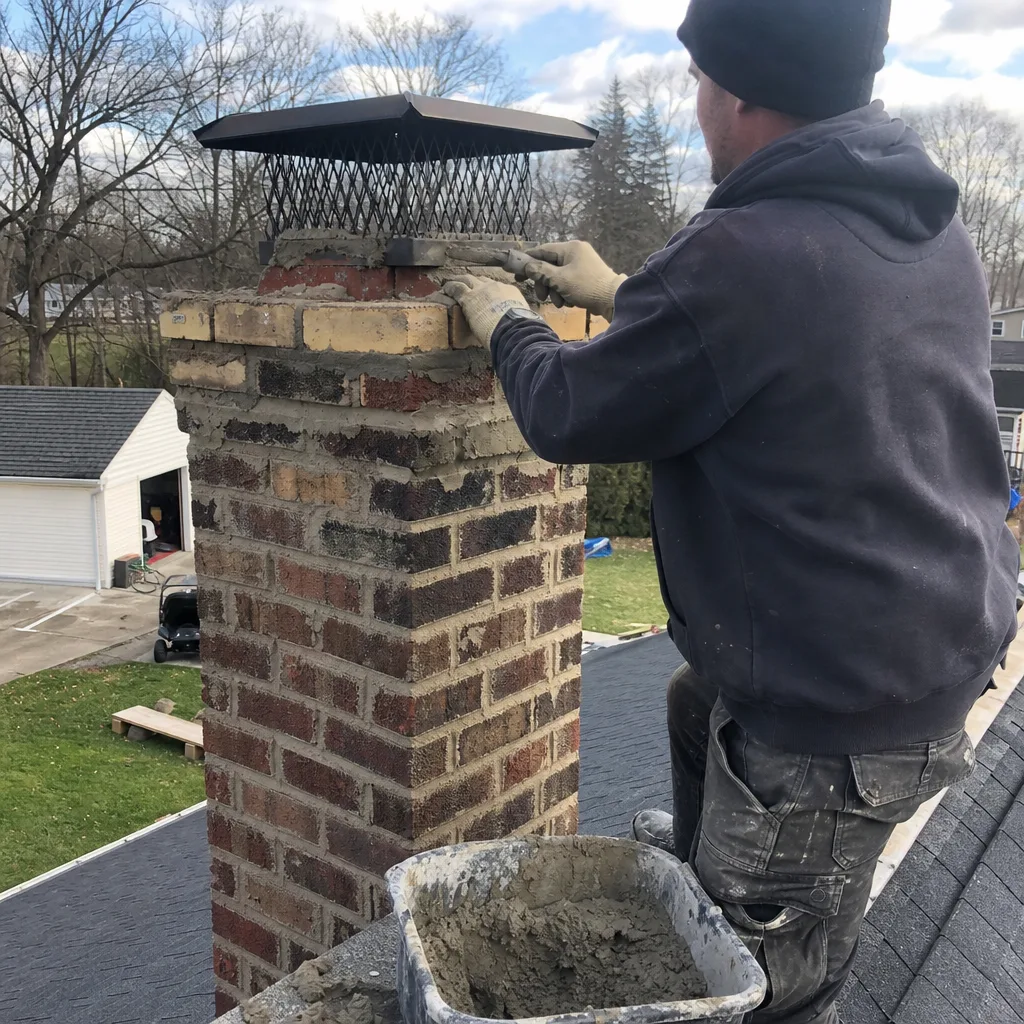
- Assuming a “clean” firebox means a clean flue. The firebox is the easiest part to sweep and the part most homeowners clean themselves. Creosote accumulates most heavily in the smoke chamber and upper flue, where temperatures drop and condensation occurs. A clean firebox with a glazed upper flue is a common and dangerous combination.
- Treating white staining as purely cosmetic without identifying the source. We’ve seen Lansdale homeowners spend thousands on exterior waterproofing for liner condensate haze, or install new liners for efflorescence that needed only crown repair. The wrong treatment wastes money and leaves the actual problem unaddressed.
- Hiring a sweep who does not run a camera. NFPA 211 Level 2 inspection requires internal visual examination, which in modern practice means video documentation. A flashlight look from the firebox or roof top misses the smoke chamber, the mid-flue, and the connection points where most failures occur. Under Clause 4 of the Haven Standard, we’ve included camera-scan documentation on every visit since 2009.
- Burning “seasoned” wood that isn’t. True seasoning requires 18-24 months of covered storage with airflow. Wood sold as “seasoned” in Lansdale’s fall home improvement stores is often cut that spring. Moisture meters cost $20; wood above 20% moisture content produces Stage 2 creosote at 3-4 times the rate of properly dried fuel.
- Ignoring summer odors because “we’re not using it anyway.” The petroleum odor of degrading creosote is most detectable in summer heat and humidity. Dismissing it as “just the fireplace” delays removal until the heating season, when the first fire may ignite material that has been chemically primed for combustion all summer.
- Accepting verbal estimates or post-work billing. Every Level Two Chimney Co. job delivers a written price, written scope, and written warranty before work begins, under Haven Standard Clause 1. If a sweep gives you a range over the phone and a different number when they arrive, that’s not standard practice, it’s a red flag.
When to Call a Professional
Call today if you observe any Tier 1 sign: glazed creosote, chemical odors, visible flames outside the firebox, persistent smoke backup, or fallen liner fragments. These are not diagnostic puzzles; they are stop-use conditions.
Schedule within 30 days for Tier 2 signs, and specify that you want a Level 2 inspection with camera documentation, not a basic sweep. The camera reveals what exterior observation cannot: liner cracks at the smoke chamber shoulder, hidden nest blockages, or deterioration behind the damper that would be invisible from either end.
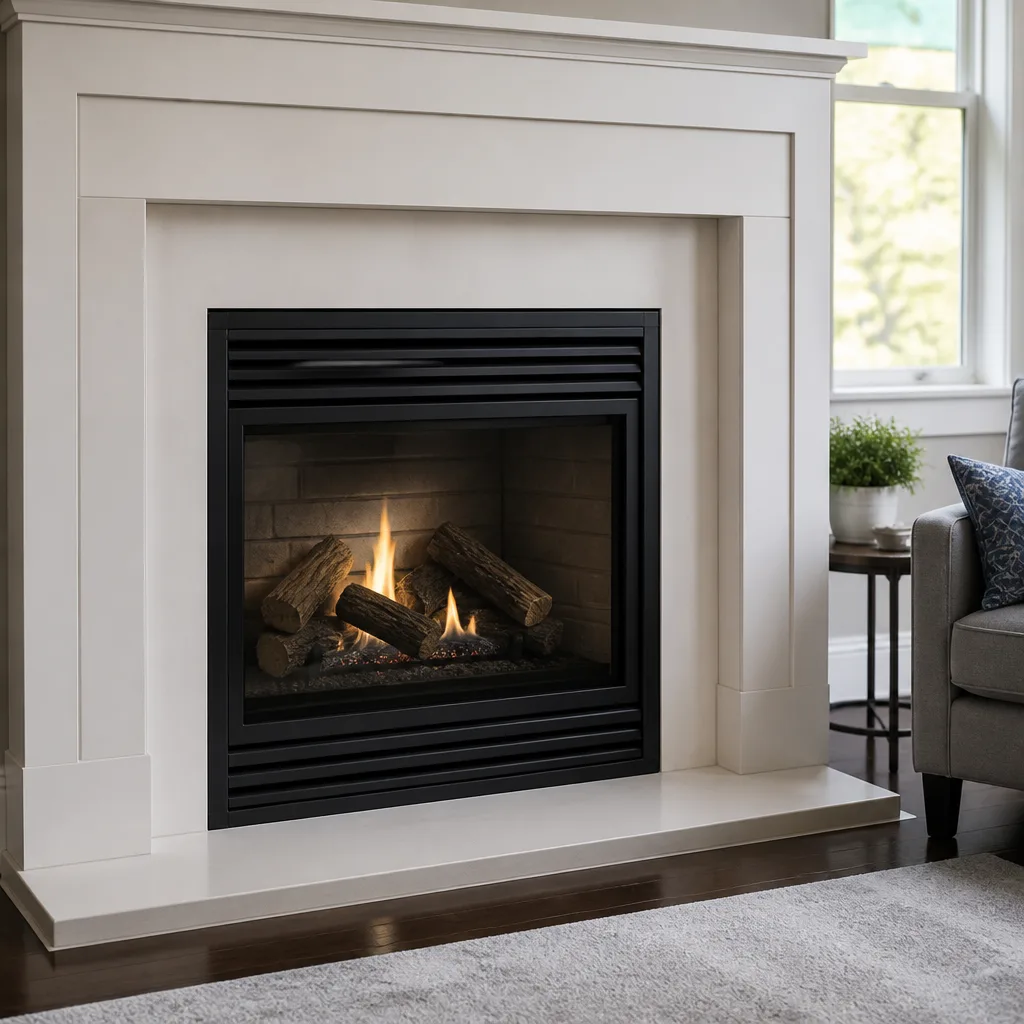
For Tier 3 signs, document with dated photographs and mention them when you schedule your annual service. Annual sweeping is recommended by the National Fire Protection Association for all wood-burning systems, and for gas systems with decorative logs that produce particulate matter.
Level Two Chimney Lansdale offers free estimates in Lansdale, and you can find more guides & resources on our blog. We’re independently owned and operated under the Haven Standard, with background-checked, uniformed technicians and live phone support 24 hours a day, 7 days a week. Call (267) 327-4785 to schedule, or bring us any competitor’s written estimate for a free second opinion.
Frequently Asked Questions
A standard chimney sweep and Level 2 inspection in the Lansdale area typically runs between $275 and $425, depending on flue accessibility, creosote stage, and whether the system is a straightforward open fireplace or a more complex insert or stove connection. We deliver a written price before any work starts, and that price includes the camera-scan inspection and documented photo record, not an optional add-on. Call (267) 327-4785 for an exact quote for your specific system; estimates are free.
You need a new liner if the existing one is cracked, spalled, or improperly sized for your appliance, and a sweep cannot change that. We show you the camera footage and explain what we found before recommending replacement. In Lansdale’s 1960s-1980s housing stock, we commonly find clay flue tiles that have survived structurally but are too large for modern, efficient appliances, causing the liner condensate haze described in this guide. A stainless steel liner from DuraFlex or Olympia Chimney, properly sized and insulated, often solves draft and condensate problems that sweeping alone cannot address. If a competitor recommends liner replacement without showing you camera evidence, bring us their written estimate for a free second opinion.
The National Fire Protection Association recommends annual inspection for all chimney systems, and sweeping as needed based on creosote accumulation. For Lansdale homeowners who burn wood as primary heat, that typically means annual sweeping. Occasional fireplace users may extend to every two years if the previous inspection showed minimal buildup, but we don’t recommend guessing; the camera inspection reveals whether sweeping is actually needed. Gas fireplace systems with decorative logs should also be inspected annually; the logs degrade and produce particulate matter that accumulates in the flue.
Skipped maintenance leads to three predictable outcomes, in order of frequency: chimney fire from ignited creosote, carbon monoxide intrusion through cracked liners or blocked flues, and structural damage from water infiltration that goes unrepaired. The first two can kill occupants; the third can require rebuilds costing ten times what routine maintenance would have. In Lansdale specifically, skipped maintenance through an ice-dam winter virtually guarantees accelerated deterioration due to the cluster failure pattern described in this guide. The 38,000+ chimneys we’ve inspected since 2009 include too many where a $300 sweep would have prevented a $6,000 rebuild.
Summer chimney odor in Lansdale typically comes from one of three sources: pyrolyzing creosote (sharp, chemical smell, Tier 1), water-wetted soot from minor cap or crown leakage (musty, earthy smell, Tier 2-3), or animal entry and nesting (organic, ammonia-like smell, Tier 2). The chemical odor of degrading creosote is the one to act on immediately; it indicates the material is becoming more ignitable, not less. A camera inspection distinguishes the source definitively. We include odor source identification in every Level 2 inspection.
You can and should perform the ground-level assessments described in this guide-checking for visible creosote stage at the firebox, observing exterior staining patterns, and noting operational changes like smoke spillage or damper stiffness-but before attempting any DIY work, review our DIY vs Professional Chimney Cleaning: The Lansdale Homeowner’s Decision Guide to understand the limits of homeowner maintenance. These observations help you communicate with your sweep and catch developing problems between professional visits. However, no homeowner should attempt internal flue inspection, roof-level crown assessment, or liner evaluation without proper equipment and training. Falls from roofs and exposure to creosote dust are genuine hazards. Our technicians are trained in confined space entry, respiratory protection, and ladder safety; the camera and photo documentation we provide under Haven Standard Clause 4 gives you the information without the risk.
The Bottom Line
Chimney warning signs are not mysterious; they’re observable, classifiable, and actionable. The key is distinguishing what demands immediate response from what can be monitored, and recognizing when multiple signs indicate a single systemic problem rather than isolated wear. In Lansdale’s climate, with its ice-dam winters and mature housing stock, that distinction saves both money and safety. Document what you see, photograph changes over time, and insist on camera-verified evidence before authorizing any major repair. The Haven Standard was built on this principle: say what was found, show what it costs, and put both in writing before work begins.
Written by Corrine Halstead, Owner at Level Two Chimney Lansdale, serving Lansdale since 2009.