
Last updated September 22, 2026
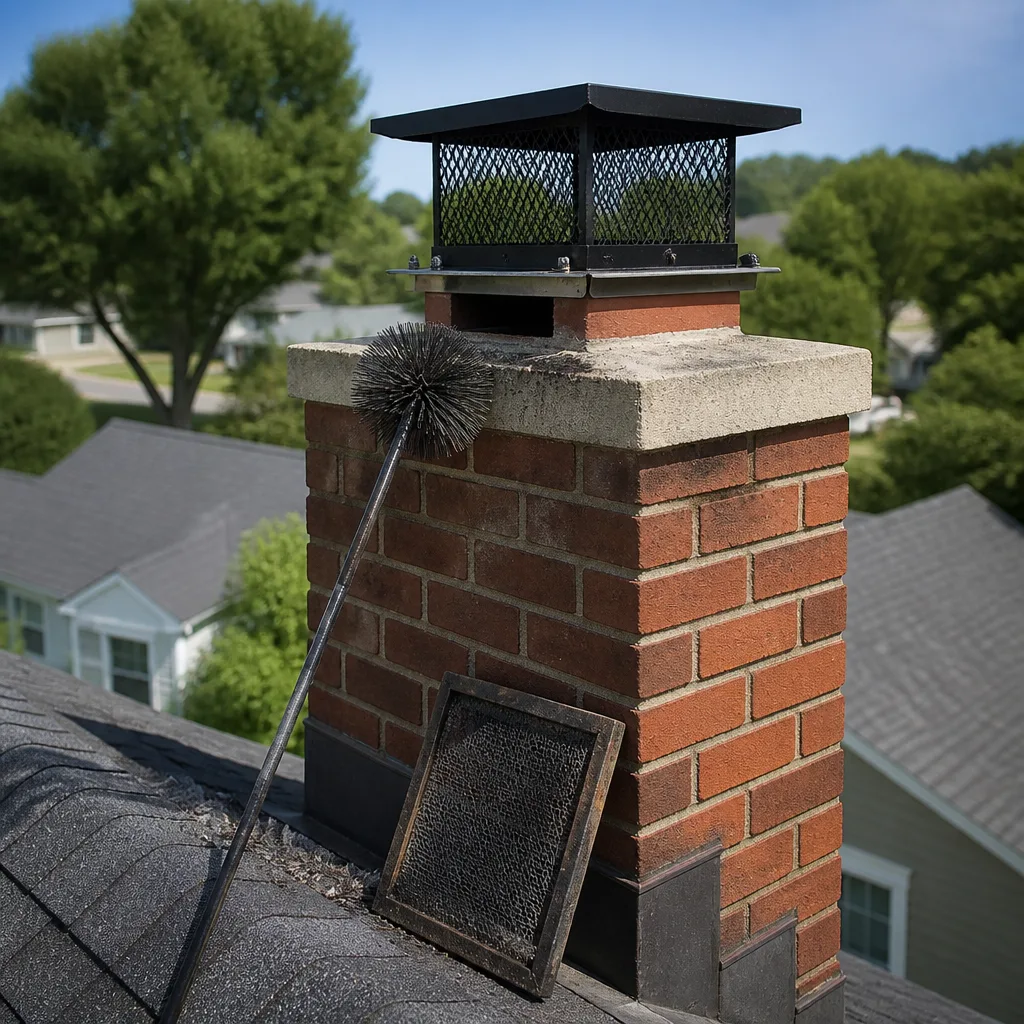
Level 1 sweep and inspection to the NFPA 211 annual standard - flue, crown, cap, and flashing checked and photographed
Chimney sweep logs do not sweep chimneys. They loosen some creosote - which then falls where a brush and vacuum still have to collect it.
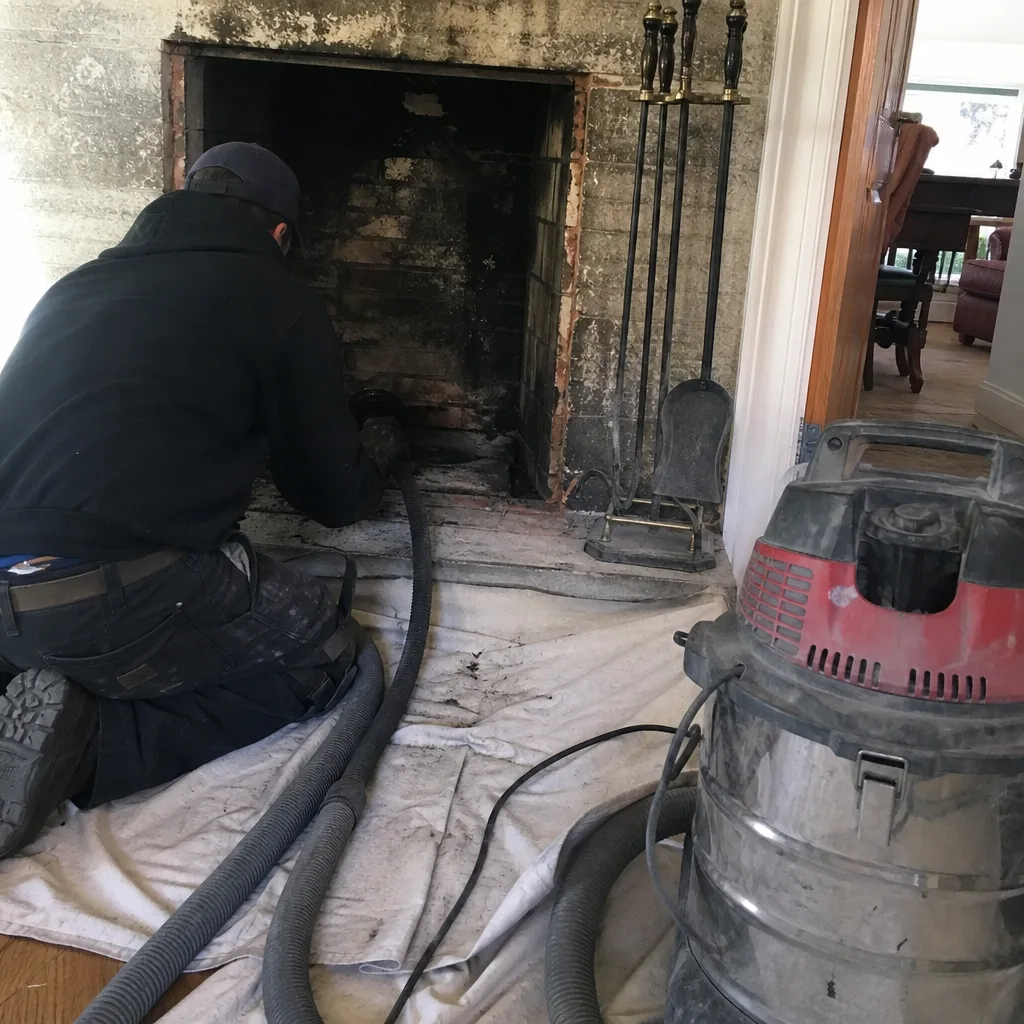 Before
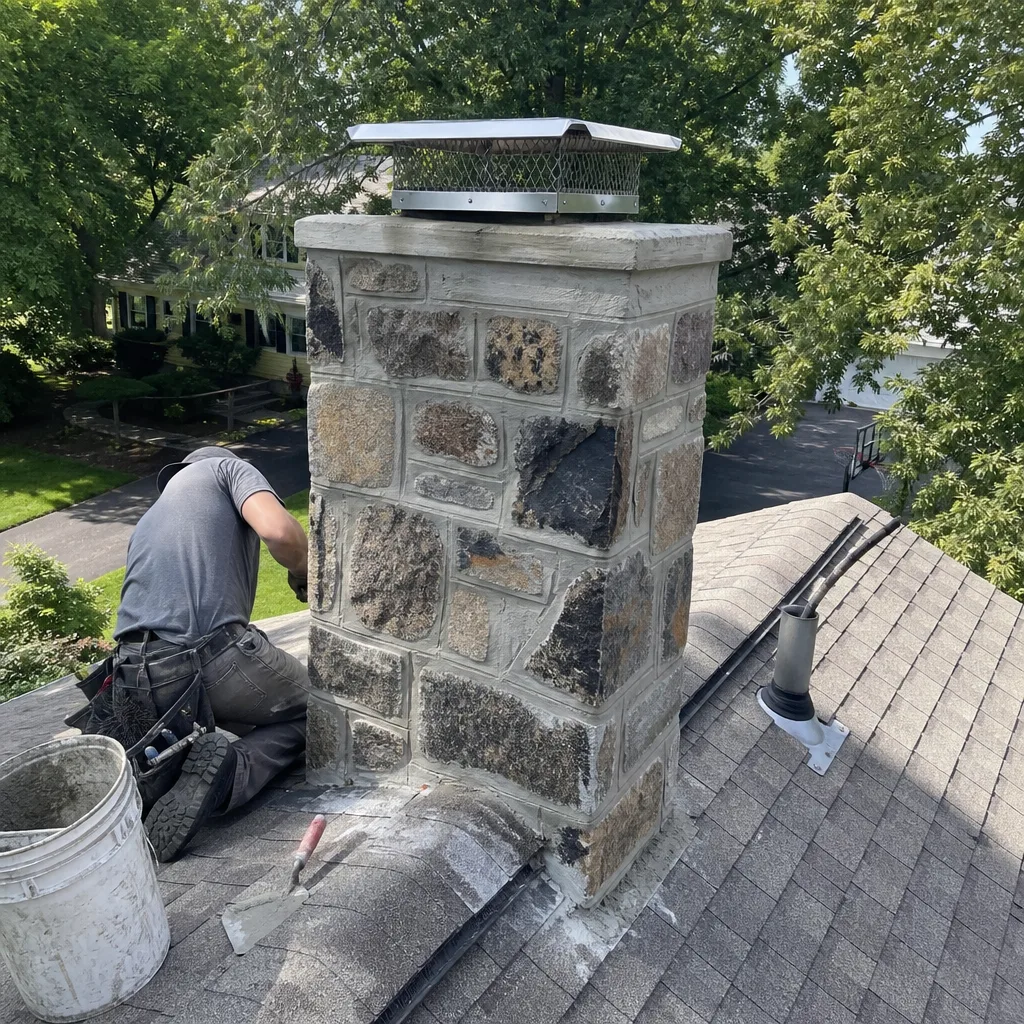 After
After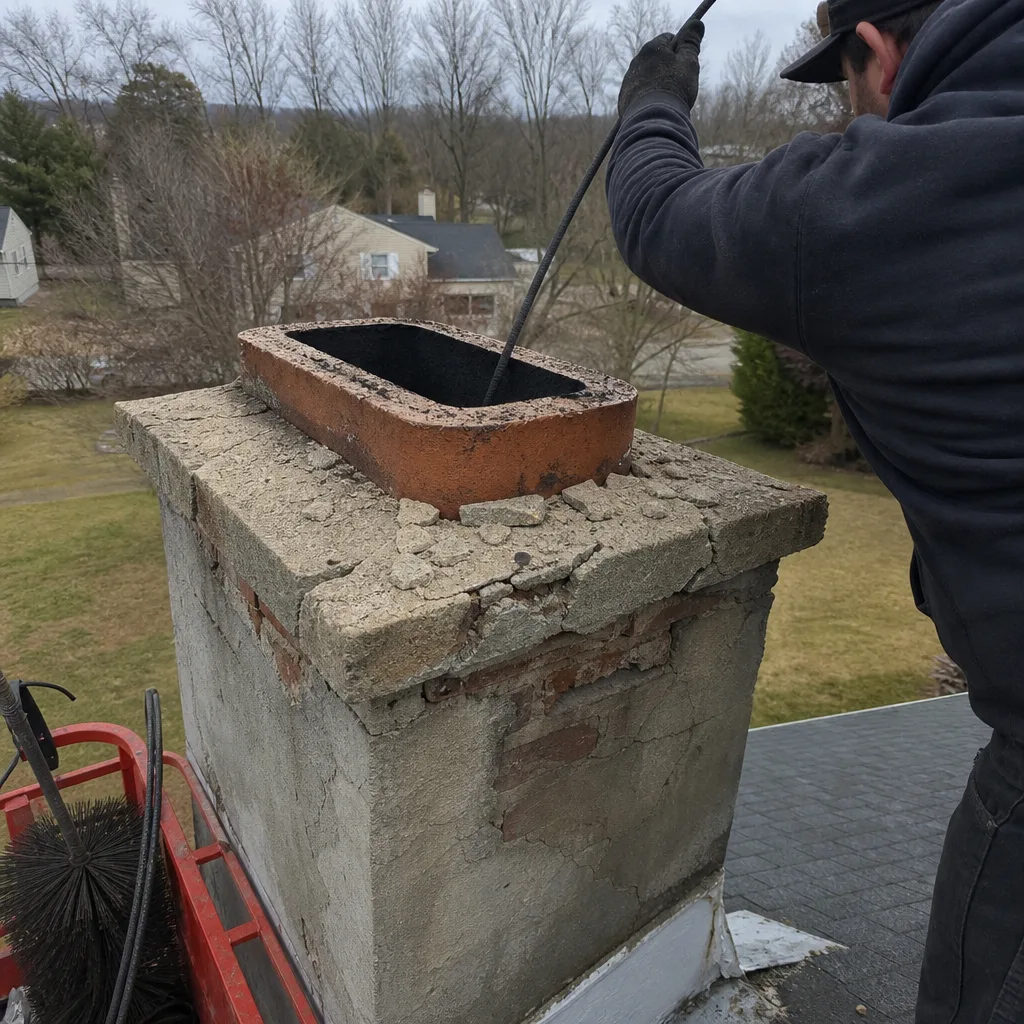 Before
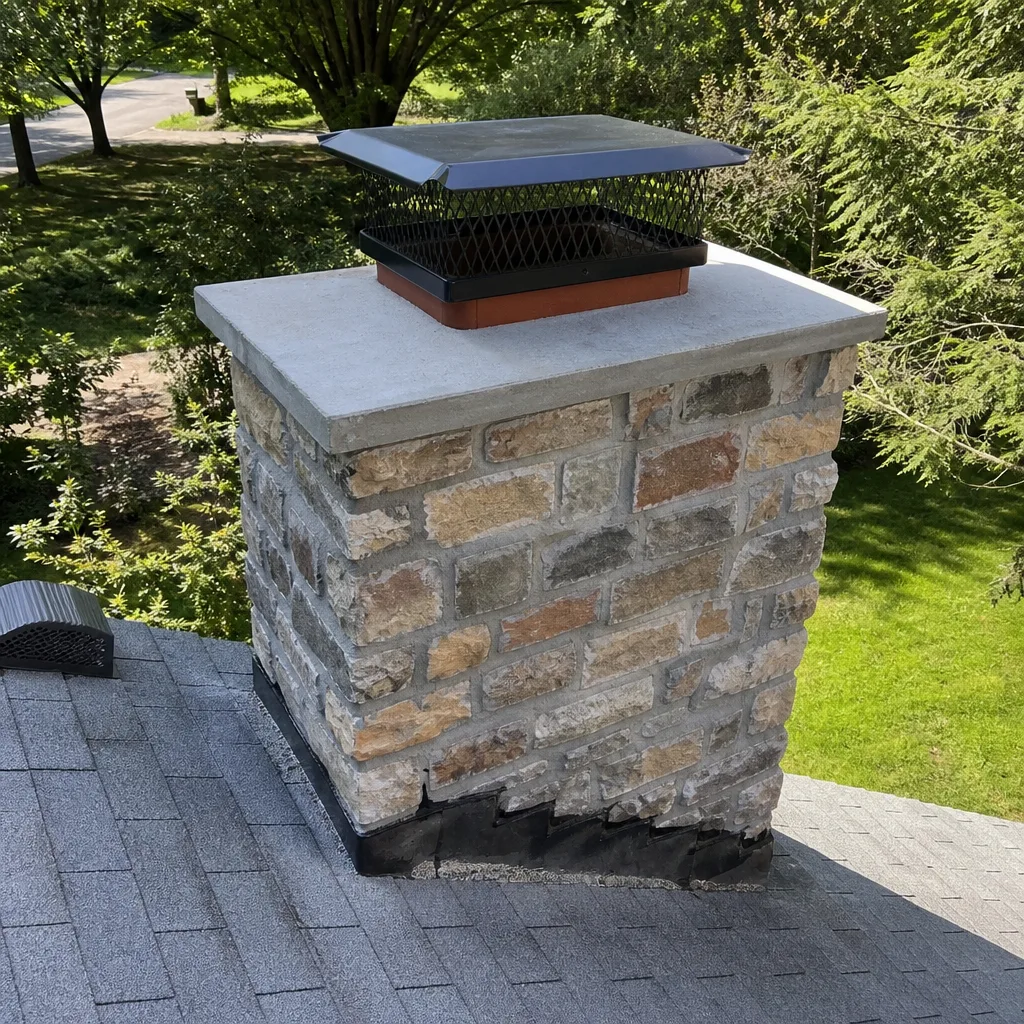 After
After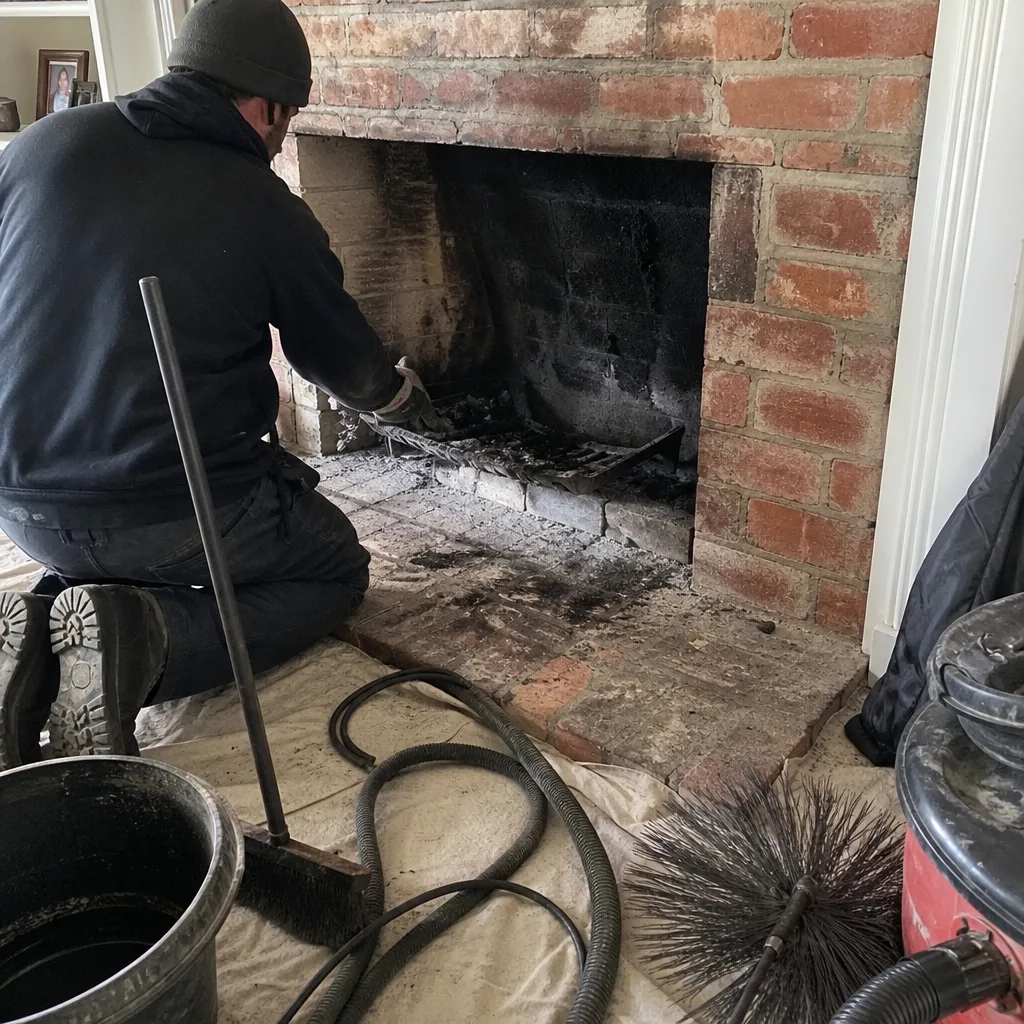 Before
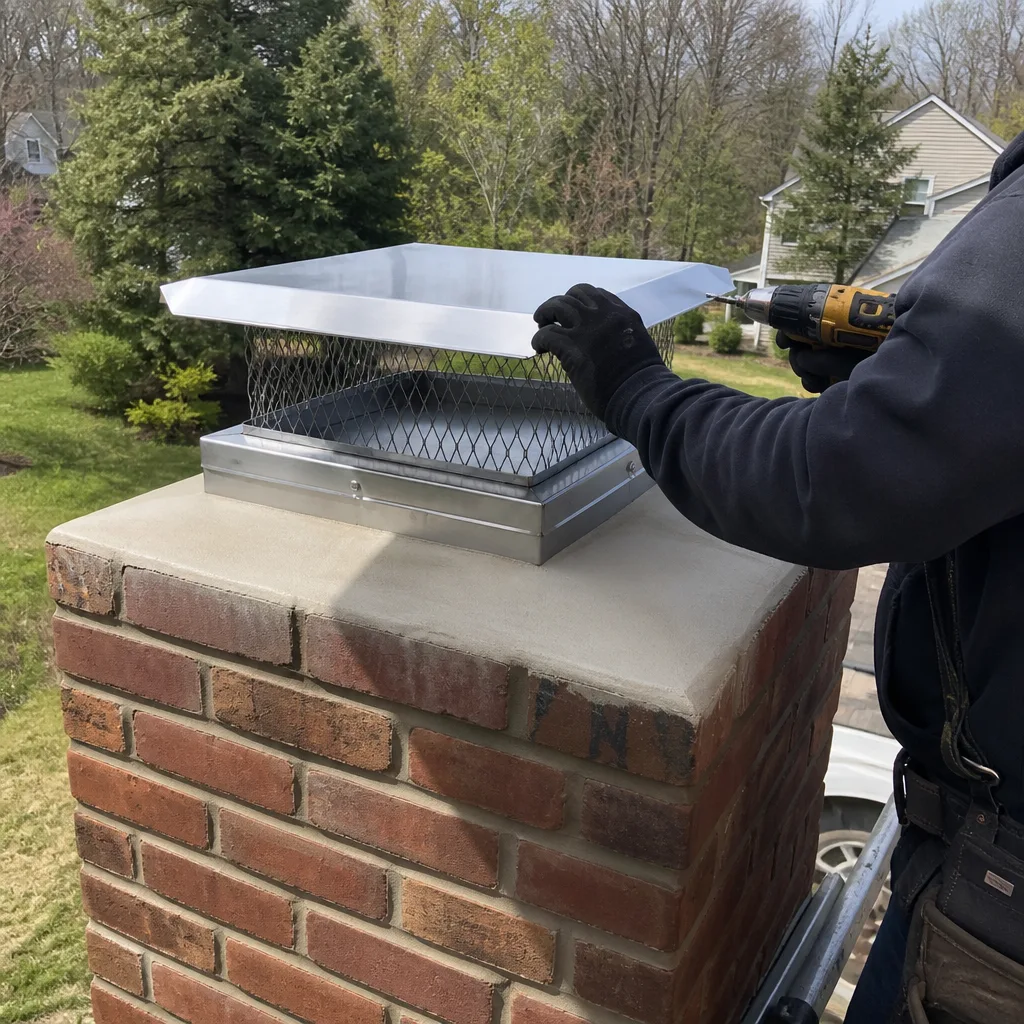 After
AfterChimney Cleaning Permits, Codes & Inspections in PA: What You Need to Know
A chimney cleaning permit does not exist in Pennsylvania. But a chimney relining permit does, and thousands of relined flues in Montgomery County were never pulled through the township. That gap matters precisely when a claim is filed. In Lansdale, we’ve met homeowners who paid for full liner replacements only to learn their insurer classified the work as unpermitted mechanical alteration, voiding coverage for related fire damage. This guide draws the exact line between routine chimney maintenance, which needs no permit, and regulated chimney work, which does. You’ll learn what Pennsylvania’s Uniform Construction Code actually requires, how Lansdale Borough and neighboring townships enforce it differently, and what documentation your chimney company must provide for the work to hold up in an insurance dispute or real estate transaction.
Quick Answer
Chimney cleaning and sweeping require no permit in Pennsylvania. Chimney liner replacement, appliance connections, structural repairs, and any work affecting the flue’s clearance to combustibles trigger permit requirements under the PA Uniform Construction Code. In Lansdale and Montgomery County townships, unpermitted liner work is the most common violation we encounter, and it can invalidate homeowner’s insurance claims when fire or carbon monoxide damage occurs.
Table of Contents
- What Pennsylvania’s Uniform Construction Code Actually Covers
- The Maintenance vs. Regulated Work Line
- Lansdale Borough and Montgomery County Township Requirements
- NFPA 211: The Inspection Standard Insurers Actually Reference
- How Unpermitted Work Affects Homeowner’s Insurance Claims
- When a Chimney Inspection Report Holds Up in Court
- Common Mistakes to Avoid
- When to Call a Professional
- Frequently Asked Questions
 Before
 After
AfterWhat Pennsylvania’s Uniform Construction Code Actually Covers
Pennsylvania adopted the Uniform Construction Code (UCC) in 2004, making it the first state to mandate a single building code across all municipalities. The UCC incorporates the International Residential Code (IRC) and International Mechanical Code (IMC) by reference, which means chimney work falls under Chapter 10 of the IRC and Chapter 8 of the IMC depending on whether the appliance is a fireplace, furnace, or water heater.
The UCC does not regulate chimney sweeping. It regulates construction, alteration, and repair of building systems. Section R105.1 of the IRC states that a permit is required for “construction, alteration, movement, enlargement, replacement, repair, equipment, use and occupancy, location, removal and demolition” of any building or structure. The Pennsylvania Department of Labor & Industry, which administers the UCC, has issued interpretive guidance that chimney liner replacement constitutes “alteration” because it changes the flue’s internal dimensions, material, and heat transfer characteristics.
Here’s where Pennsylvania homeowners get tripped up. The UCC allows municipalities to adopt their own administrative procedures for permit issuance, but they cannot adopt codes less stringent than the UCC. Some townships in Bucks County have streamlined liner permits into a single-page mechanical permit. Montgomery County townships, including Lansdale’s neighbors in Hatfield, Montgomery, and Towamencin, typically require full construction permit applications with plans stamped by a certified installer. The work itself is identical. The paperwork burden is not.
We’ve pulled permits in fourteen Montgomery County municipalities since 2009. The variance in required documentation is substantial. Lansdale Borough requires:
- A completed UCC permit application with property owner’s notarized signature
- Manufacturer’s installation instructions for the liner system (DuraFlex, Olympia Chimney, or equivalent)
- A written scope of work describing the existing flue condition and the proposed repair
- Proof of installer certification from the Chimney Safety Institute of America (CSIA) or equivalent
- Inspection scheduling at rough-in and final (liner visible and liner completed)
Some townships waive the rough-in for straight flues with no offsets. Others require it regardless. The permit fee in Lansdale runs roughly $150-$400 depending on liner length and appliance type. Add the cost of two inspections, and the total permit burden is $300-$600 before any materials or labor. This is why some homeowners accept a contractor’s offer to “skip the permit to save money.” That decision has consequences we’ll cover in the insurance section below.
One critical detail: the UCC permit attaches to the property, not the contractor. If you sell your home, the permit record appears in a title search. Unpermitted liner work in Lansdale has delayed or killed real estate transactions when buyers’ attorneys flagged the absence of a certificate of occupancy or final inspection approval. The cost to permit retroactively is typically double the original fee, plus possible code-upgrade requirements that didn’t exist when the work was first done.
The Maintenance vs. Regulated Work Line
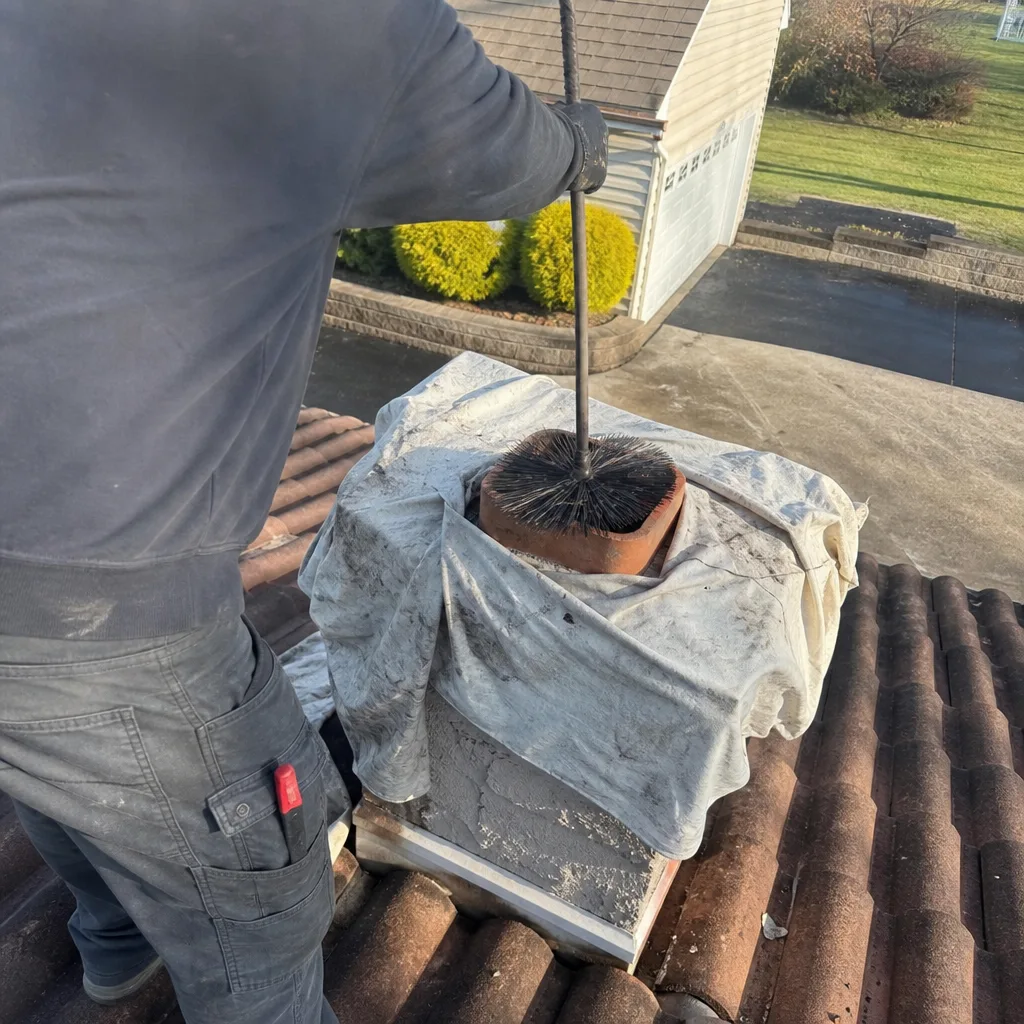
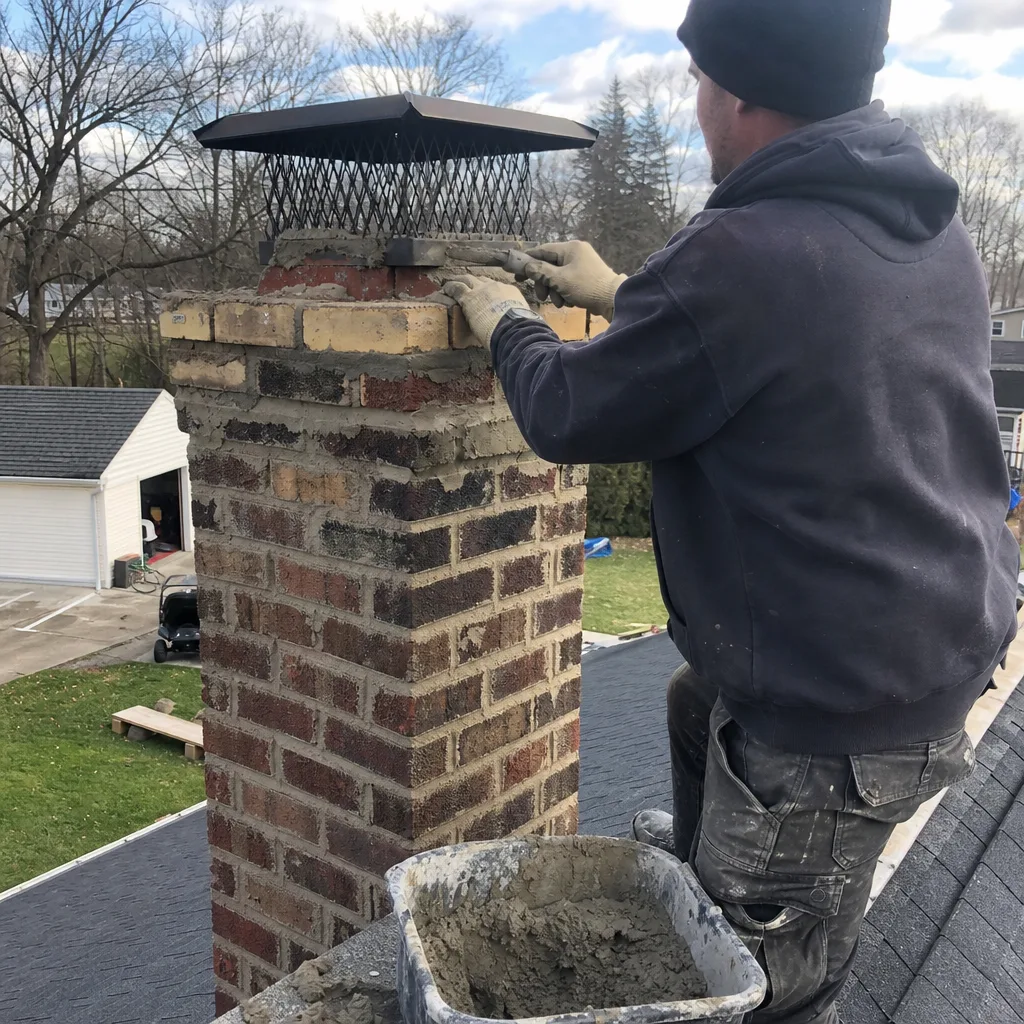
Pennsylvania’s line between maintenance and regulated work is clearer in statute than in practice. The UCC explicitly exempts “ordinary repairs” from permit requirements, defining these as repairs that do not affect structural integrity, fire safety, or the UCC’s intent. Chimney sweeping, crown sealing with crown coat products like Chimney Cleaning & Sweep in Lansdale, and minor masonry repointing fall within this exemption.
The moment work affects the flue’s ability to contain combustion byproducts, it crosses into regulated territory. Here’s our practical breakdown based on 38,000+ inspections and the permit applications we’ve filed:
No Permit Required (Routine Maintenance)
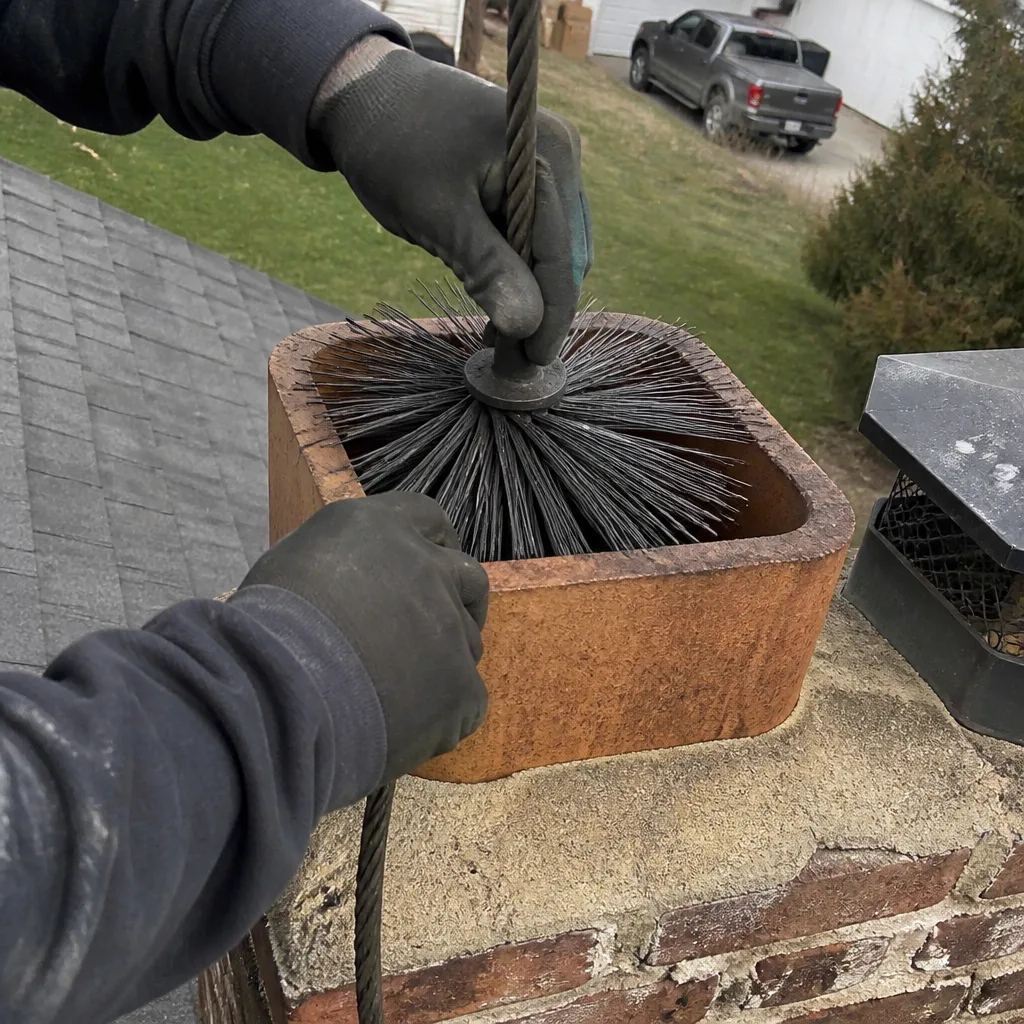
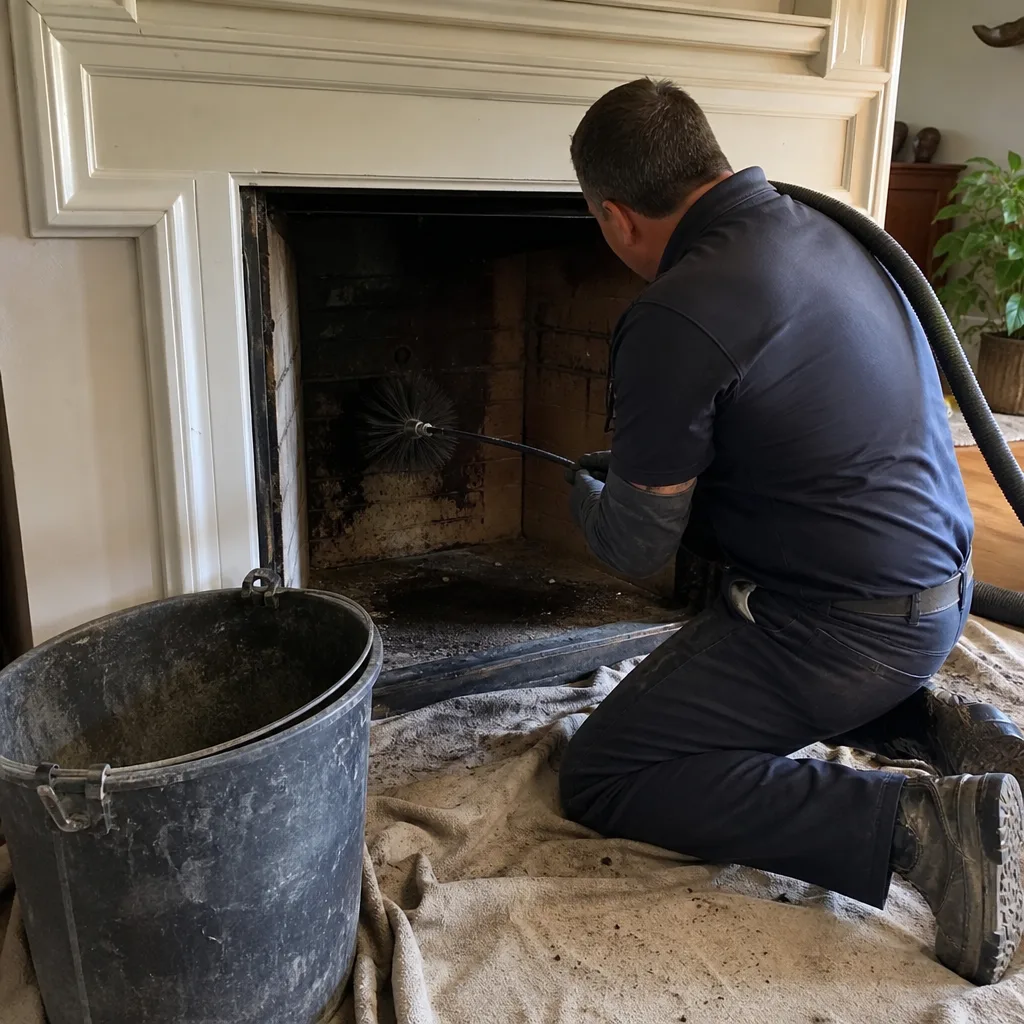
- Chimney sweeping and creosote removal - mechanical brushing of the flue, smoke chamber, and firebox. This is classified as cleaning, not repair.
- Chimney cap replacement - installing a standard cap on existing flue tile, provided no crown reconstruction is needed.
- Crown sealing with brushable sealant - products like HeatShield CrownSeal applied to minor cracks without structural rebuild.
- Firebox brick repointing - replacing deteriorated mortar joints in the firebox with refractory mortar, provided no liner is disturbed.
- Damper repair or replacement - throat damper or top-sealing damper installation that does not modify the flue opening dimensions.
Permit Required (Regulated Work)
- Chimney liner installation or replacement - any material: stainless steel (DuraFlex), aluminum, or cast-in-place (HeatShield Cerfractory Foam). The permit is mechanical in some jurisdictions, building in others.
- Appliance connection or disconnection - connecting a new furnace, boiler, water heater, or fireplace insert to the flue. This triggers both mechanical and fuel-gas permits if natural gas or propane is involved.
- Smoke chamber parging - applying refractory mortar to smooth the smoke chamber walls. The IRC considers this a fire-safety modification.
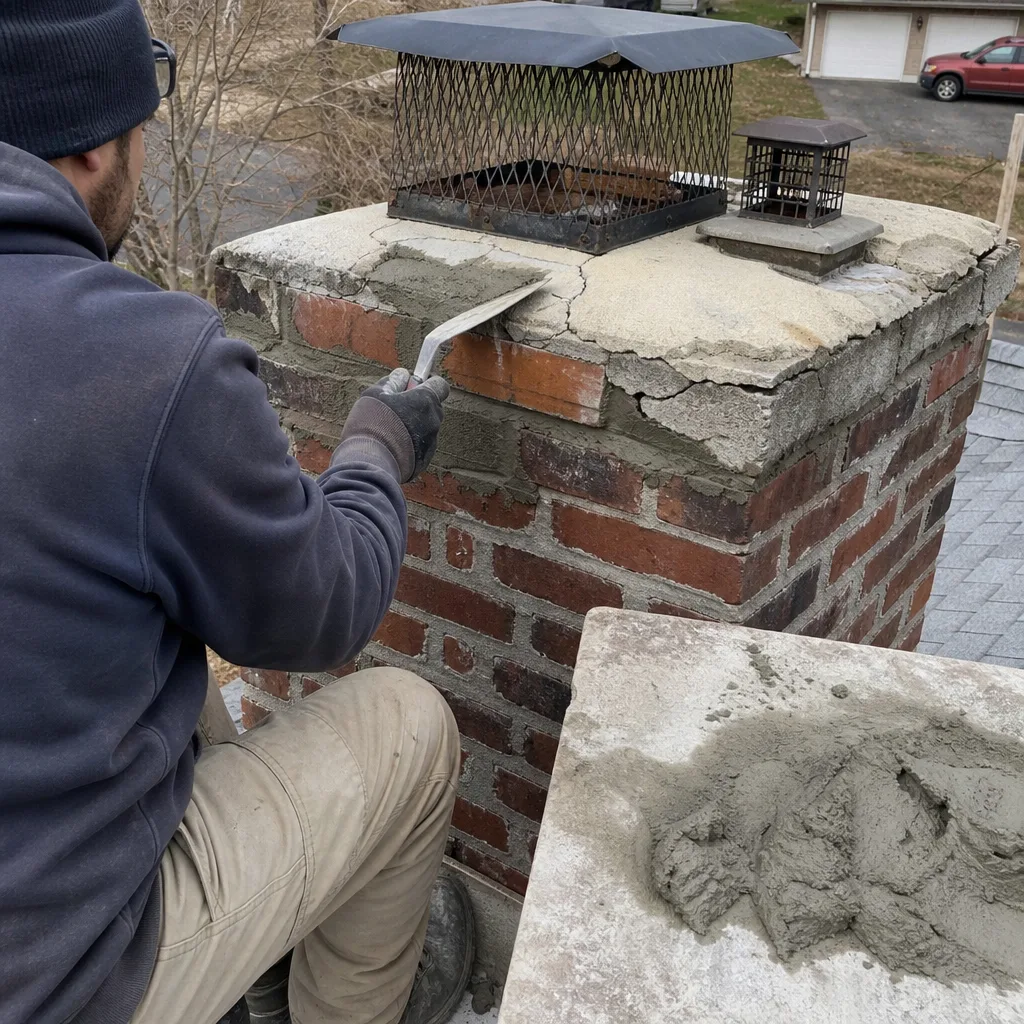
- Crown reconstruction - removing and rebuilding the concrete crown, which affects weather protection and structural load distribution.
- Chimney rebuild above the roofline - any masonry reconstruction affecting height, clearance, or structural stability.
The gray zone is where homeowners get hurt. A “partial liner repair” using a stainless steel sleeve may seem like maintenance. If the sleeve changes the flue’s effective diameter or connects to a different appliance, it’s a liner replacement under UCC interpretation. We’ve seen Lansdale homeowners told they were getting a “liner patch” that was actually a full relining with no permit pulled. The paperwork they received said “repair.” The work performed was “replacement.” Their insurer later denied a claim based on that mismatch.
Our practice, established in 2009 and formalized as Clause 1 of the Haven Standard, is to put the exact scope in writing before any work starts. “Sweep and inspection” means exactly that. “Liner replacement with DuraFlex 316Ti stainless steel, 6″ diameter, with permit pulled through Lansdale Borough” means exactly that. No euphemisms. No category errors.
Lansdale Borough and Montgomery County Township Requirements
Lansdale Borough operates its own code enforcement office under contract with a third-party inspection agency. The borough does not handle chimney permits in-house; they route mechanical and building permits to the Montgomery County Consortium, which serves fifteen municipalities with uniform inspection standards. This matters because a permit pulled in Lansdale is inspected to the same standard as one in Norristown or Pottstown, even though the application process differs.
For chimney liner work in Lansdale specifically:
- Permit application must include the property address, owner’s contact information, and contractor’s PA Home Improvement Contractor (HIC) registration number
- Contractor must carry general liability insurance naming the borough as additional insured (standard practice; we maintain this continuously)
- Manufacturer’s installation instructions must match the proposed product exactly - substituting DuraFlex for Olympia Chimney mid-project requires amended plans
- Rough-in inspection must occur before the liner is fully insulated or the chase is closed
- Final inspection requires a smoke test or draft test, documented on the inspector’s form
- Certificate of completion is issued to the property owner, not the contractor, and should be retained with the home’s permanent records
Neighboring townships vary in ways that surprise homeowners who assume uniformity. Hatfield Township requires pre-approval of the liner manufacturer from an approved products list. Towamencin Township mandates video documentation of the existing flue condition submitted with the permit application. Montgomery Township waives the rough-in for straight flues under 25 feet but requires it for any flue with an offset or bend.
We’ve worked in all of these jurisdictions. The variance creates a compliance trap for homeowners who hire contractors based on price alone. A contractor who “always works in Bucks County” may not know Towamencin’s video requirement. The permit gets rejected. The project stalls. The homeowner pays for a second application or, worse, the contractor abandons the job.
Climate factors in Lansdale also affect what inspectors look for. Our freeze-thaw cycle is severe, with average winter lows around 20°F and frequent temperature swings above and below freezing. Inspectors in Montgomery County are trained to check for spalling brick, deteriorated mortar, and crown cracks that could admit water and accelerate freeze-thaw damage. A liner installed without addressing exterior masonry deterioration may pass the mechanical inspection but fail a subsequent building inspection if the chimney’s structural condition has degraded. We address this in our Chimney Repair in Lansdale assessments by documenting exterior condition with photos before any interior work begins.
One Lansdale-specific note: the borough’s historic district, roughly bounded by Main Street, Broad Street, and the railroad corridor, has additional review requirements for any exterior modification visible from the public right-of-way. A chimney rebuild in this district may require Historic Architectural Review Board (HARB) approval in addition to the UCC permit. The liner itself is interior and exempt from HARB, but if the rebuild includes brick replacement or height modification, plan for an additional 30-45 days in the approval timeline.
NFPA 211: The Inspection Standard Insurers Actually Reference
The National Fire Protection Association Standard 211, “Chimneys, Fireplaces, Vents, and Solid Fuel-Burning Appliances,” is referenced by every major homeowner’s insurance policy sold in Pennsylvania. Not the building code. Not the manufacturer’s warranty. NFPA 211. When an insurer investigates a chimney fire claim, they ask whether the chimney was inspected to NFPA 211 standards and whether the inspection documentation meets the standard’s requirements.
NFPA 211 defines three levels of inspection:
- Level 1: Visual inspection of readily accessible portions of the chimney exterior, interior, and connecting appliances. No tools, no climbing, no camera. Appropriate for annual maintenance when no changes have occurred.
- Level 2: Visual inspection plus examination of accessible attics, crawl spaces, and basements; video scanning of the flue interior; inspection of all connected appliances and their clearances. Required upon sale or transfer of property, after chimney fire or operational malfunction, or before relining or appliance changeout.
- Level 3: Level 2 plus demolition of building components as necessary to access concealed portions of the chimney. Required when a hazard is suspected but cannot be confirmed by Level 2 methods.
Here’s what most homeowners don’t know: an NFPA 211 Level 2 inspection is not a suggestion for real estate transactions or major repair decisions. It is the standard. A flashlight look and a verbal “looks fine” do not satisfy it. The standard requires a written report, photo or video documentation of the flue condition, and assessment of clearances to combustibles. Without these elements, an insurer can argue that the homeowner failed to exercise reasonable care in chimney maintenance, potentially reducing or denying a claim.
Level Two Chimney Co. named itself after this standard before most Pennsylvania insurers explicitly required it. In 2009, we made camera-scan documentation the default on every inspection, not as an upsell but as standard practice. That practice became Clause 4 of the Haven Standard: a documented photo record on every visit, included, not optional. We’ve completed more than 38,000 inspections under this protocol. Every one has a written price before work started and a documented record when it was done.
The connection to permits is direct. A permit inspector verifies that the work complies with code. An NFPA 211 Level 2 inspection verifies that the chimney, as it exists after the work, is safe to use. Code compliance does not guarantee safety. We’ve seen permitted liner installations that passed township inspection but failed Level 2 assessment because the installer reduced the flue diameter below the appliance manufacturer’s requirement, creating a carbon monoxide hazard. The permit was valid. The installation was not safe.
Conversely, an unpermitted liner installation that meets all technical requirements may be safe to operate but exposes the homeowner to insurance and liability risks that a Level 2 inspection cannot mitigate. The inspection documents condition. It does not document regulatory compliance. Both matter.
For Fireplace Services in Lansdale, we perform NFPA 211 Level 2 inspections as standard, with video files archived and available to the homeowner, their insurer, or their real estate attorney on request. The documentation includes:
- Date-stamped video scan of the entire flue length, from firebox to crown
- Still images of identified defects with measurement annotations
- Written assessment of creosote classification (Class I, II, or III)
- Clearance measurements to combustibles in accessible areas
- Appliance connection details and manufacturer specifications
- Recommended scope of work with written price, if repairs are indicated
How Unpermitted Work Affects Homeowner’s Insurance Claims
This is where the abstract becomes concrete. Pennsylvania homeowner’s insurance policies contain standard language, derived from ISO form HO-3, that excludes coverage for damage caused by “faulty, inadequate, or defective” construction, renovation, or repair. The exclusion is not absolute, but it shifts the burden of proof to the homeowner to demonstrate that the work was performed in compliance with applicable building codes.
Specific policy language to check in your declarations:
- “Ordinance or Law” exclusion: Many policies exclude the cost to bring undamaged portions of the building up to current code during repairs. If your 1980s chimney liner fails and the fire spreads, the insurer may pay for fire damage but not for the code-required liner upgrade that the original installation avoided.
- “Concealment or fraud” clause: If the insurer discovers that work was performed without required permits, they may argue that the homeowner misrepresented the property’s condition at policy inception or renewal. This can void the entire policy, not just deny the specific claim.
- “Maintenance” exclusion: Damage caused by lack of maintenance is excluded. An insurer may argue that failure to obtain permits and inspections constitutes negligent maintenance, even if the technical work was competent.
We’ve consulted on three Lansdale-area claims in the past five years where unpermitted liner work was central to the dispute. In two cases, the homeowner had paid for relining by a contractor who offered a “cash discount” to skip the permit. The work was technically sound, performed with quality materials (one was DuraFlex, one was an unbranded equivalent). When chimney fires occurred three and seven years later, the insurers denied claims based on the absence of permit documentation. The homeowners faced $40,000+ in uncovered repair costs.
In the third case, the homeowner had a permitted installation but no Level 2 inspection documentation. The insurer accepted the permit but disputed whether the chimney had been properly maintained. Without the video record showing flue condition at installation, the homeowner could not prove that the fire originated from a new defect rather than pre-existing deterioration. The claim was partially denied.
The lesson: permits prove code compliance at a point in time. Inspection documentation proves ongoing condition and maintenance. Both are necessary. Neither substitutes for the other.
Some insurers now require proof of NFPA 211 Level 2 inspection before issuing or renewing policies for homes with solid-fuel appliances. This is not yet universal in Pennsylvania, but the trend is accelerating. We’ve had Lansdale homeowners contact us specifically to obtain Level 2 documentation for their insurer after receiving a policy non-renewal notice. The inspection itself is straightforward. The urgency is not. Schedule before the notice arrives.
When a Chimney Inspection Report Holds Up in Court
Not all inspection reports are created equal. A handwritten checklist with checkboxes for “good,” “fair,” and “poor” will not survive scrutiny from an insurer, a real estate attorney, or a court. Pennsylvania courts have addressed chimney inspection documentation in several contexts: property disclosure disputes, insurance coverage litigation, and personal injury claims from carbon monoxide exposure.
The elements that determine whether a report qualifies as reliable documentation:
- Standard reference: The report must identify the inspection standard used, ideally NFPA 211 with the specific edition year (currently 2019, with 2026 in development). Generic “inspection” language is insufficient.
- Methodology description: The report must describe how the inspection was performed: visual, camera scan, access to attics or crawl spaces, tools used. This allows another professional to evaluate whether the methodology was appropriate for the conditions found.
- Objective findings vs. opinions: “Flue tile cracked at 12 feet, approximately 3 inches longitudinal, visible light from exterior” is a finding. “Flue needs repair” is an opinion. Both have value, but findings carry more weight in dispute resolution.
- Photo or video evidence: Timestamped, geotagged if possible, with clear identification of what is shown. Video scans should include audio narration describing the location and condition.
- Qualified inspector identification: Name, certification number, company affiliation, and date of inspection. Anonymous or initials-only reports are routinely challenged.
- Written scope and price for recommended work: This demonstrates that the homeowner was informed of the condition and the cost to remedy it, which affects negligence determinations.
Reports from Level Two Chimney Co. include all six elements as standard under Haven Standard Clause 4. We’ve had our documentation accepted in insurance subrogation, property disclosure litigation, and estate probate. We’ve also had competitors’ reports rejected for lacking methodology description or objective findings.
One specific scenario: the Pennsylvania Association of Realtors Standard Agreement of Sale requires sellers to disclose known defects in the property’s heating and ventilation systems. A chimney inspection report that identifies a cracked liner but does not describe the crack’s dimensions, location, and implications may not satisfy the seller’s disclosure obligation. The buyer, discovering the defect post-closing, may claim that the seller knew or should have known of a material defect and failed to disclose it adequately. A detailed Level 2 report protects both parties by documenting exactly what was known and when.
For homeowners in Lansdale’s competitive real estate market, where median home values exceed $400,000 and buyers are typically financing with conventional mortgages requiring full appraisal and inspection, documentation quality affects transaction speed and price. A seller who can produce a complete Level 2 report with video, dated within 12 months of listing, signals transparency and reduces buyer uncertainty. A seller with no documentation, or with a one-page checklist from a sweep who spent twenty minutes on site, invites deeper scrutiny and potential price negotiation.
Our Level Two Chimney Lansdale home page includes sample documentation descriptions and our standard report format. We do not provide blank templates, but we will explain our methodology to any homeowner, attorney, or real estate professional on request.
Common Mistakes to Avoid
- Assuming sweeping and relining are the same regulatory category. They’re not. Sweeping is maintenance. Relining is alteration. The permit requirement changes at that line, and confusing them has left Lansdale homeowners with unpermitted work they believed was routine.
- Accepting “the contractor handles permits” without verifying. Verify the permit number with the township before final payment. In Montgomery County, permit status is searchable online through the municipal website or the PA UCC portal.
- Discarding inspection documentation after the repair is complete. Retain all chimney records with your home’s permanent files. Insurers and buyers may request documentation from five, ten, or fifteen years prior. Our Clause 4 archive maintains records indefinitely, but homeowners should keep their own copies.
- Hiring based on lowest price without confirming permit inclusion. A $1,200 liner quote that excludes permit fees, inspection costs, and documentation may cost $2,000+ when those necessities are added. Our written price before work starts includes all known costs; Clause 1 of the Haven Standard prohibits surprise additions.
- Believing a “chimney sweep” inspection satisfies real estate or insurance requirements. A sweep cleans. An inspection assesses. NFPA 211 Level 2 requires both, performed by qualified personnel, with documented findings. In Lansdale’s older housing stock, particularly the pre-war homes near the train station, a sweep alone will not identify concealed flue damage that a camera scan reveals.
- Ignoring township-specific requirements for historic properties. Lansdale’s HARB district adds a review layer that standard contractors may not anticipate. Plan for additional time and documentation if your property is in the historic district or a designated neighborhood conservation area.
- Failing to request the certificate of completion after final inspection. The permit is applied for. The work is done. The inspector visits. But if no certificate of completion is issued, the permit remains open in township records, which can delay real estate transactions or trigger re-inspection requirements.
When to Call a Professional
Call a qualified chimney professional when you’re buying a home with a fireplace or solid-fuel appliance, after any chimney fire or smoke backup, before installing a new stove or insert, or if your current chimney has not had an NFPA 211 Level 2 inspection in the past five years. In Lansdale, where many homes date to the 1920s-1950s and have original clay flue tiles or early stainless retrofits, age alone justifies professional assessment.
Level Two Chimney Lansdale offers free estimates in Lansdale and throughout Montgomery County. Every estimate includes a written scope, written price, and explanation of any permit requirements before you commit. Call (267) 327-4785 to schedule. Our live phone support runs 24 hours a day, 7 days a week. You’ll speak to a person, not a voicemail system, and we’ll text you when your technician is en route with name, photo, and license number.
Frequently Asked Questions
No. Chimney sweeping, creosote removal, and routine maintenance do not require permits under the Pennsylvania Uniform Construction Code. A permit is required only when the work alters the flue structure, replaces the liner, connects a new appliance, or rebuilds masonry above the roofline. If a contractor tells you a sweep requires a permit, verify with your township’s code enforcement office.
Lansdale Borough permit fees for chimney liner work typically range from $150 to $400 for the application, plus inspection fees of $75-$150 per visit. Most liner installations require two inspections (rough-in and final), bringing total permit costs to $300-$600. This is separate from materials and labor. We include permit costs in our written price before work starts, with no surprise additions. Call (267) 327-4785 for an exact quote on your specific project.
NFPA 211 recommends annual inspection for all chimneys, fireplaces, and vents. In Lansdale, with our freeze-thaw climate and many aging masonry chimneys, we advise Level 2 inspection with camera scan at least every two years for active wood-burning systems, and at every property transfer regardless of apparent condition. Annual sweeping may be sufficient for gas appliances with no visible deterioration, but the inspection frequency should not exceed two years.
You need a new liner when the existing liner is damaged, improperly sized for the connected appliance, or absent entirely. Common indicators: cracked or missing flue tiles visible on camera scan, Class III glazed creosote that cannot be removed without damaging the liner, or a liner diameter that does not match the appliance manufacturer’s specification. We never recommend liner replacement without camera evidence you can see for yourself, and we’ll tell you plainly when the work can safely wait. Our Free Second Opinion on any written estimate confirms whether another contractor’s recommendation matches what we find.
Skipped maintenance allows creosote accumulation, which increases chimney fire risk. Our Complete Guide to Chimney Cleaning in Lansdale explains how to avoid this. Class I and II creosote can ignite at temperatures above 1,000°F, which a normal fire reaches. Class III glazed creosote ignites at lower temperatures and burns intensely. Structural deterioration from moisture intrusion, common in Lansdale’s climate, progresses from minor spalling to full liner collapse. Insurance claims for damage from neglected maintenance are routinely denied. The cost of annual inspection and sweeping is a fraction of the cost of fire restoration or emergency liner replacement.
Maybe, but you’ll face a harder claim process. Pennsylvania insurers increasingly require proof of NFPA 211-compliant inspection and maintenance for solid-fuel chimney claims. Without documentation, the insurer may argue that the fire resulted from negligent maintenance, invoking the policy’s maintenance exclusion. With a complete Level 2 inspection record, including video documentation, you establish that you exercised reasonable care. We archive all Clause 4 records indefinitely and can produce them for any past customer on request.
A chimney sweep cleans the flue, removing creosote and obstructions. A Level 2 inspection assesses the flue’s condition, structure, and clearances using visual examination, camera scanning, and access to concealed spaces. The sweep is maintenance. The inspection is evaluation. They are often performed together, but they are distinct services with distinct documentation. A sweep without inspection tells you the chimney is clean, not that it is safe. An inspection without sweeping tells you the condition, but leaves combustible deposits in place. For most Lansdale homeowners with active fireplaces, we recommend both annually.
The Bottom Line
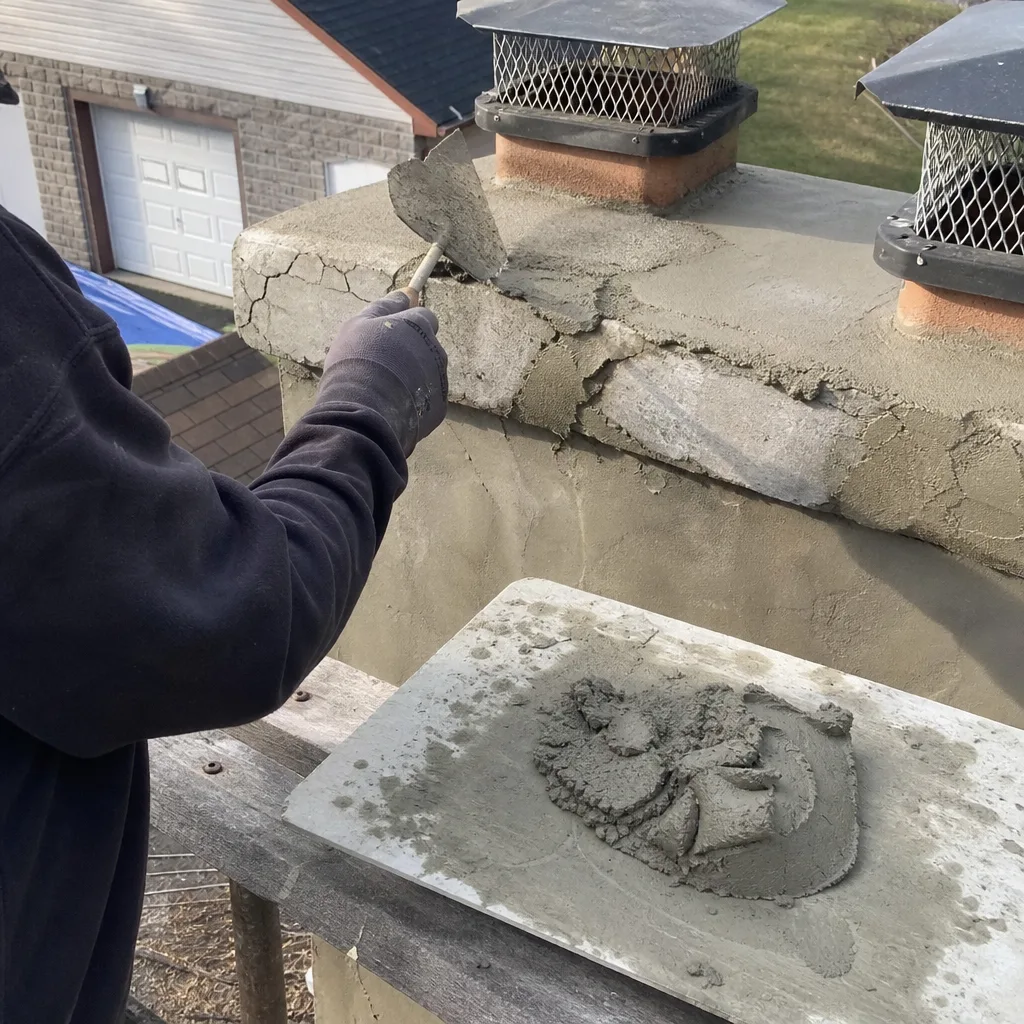
Pennsylvania does not require permits for chimney cleaning. It does require permits for chimney liner replacement, appliance connections, and structural repairs. The distinction matters because thousands of Montgomery County homeowners have unpermitted liner work in their chimneys, discovered only when an insurer denies a claim or a buyer’s attorney flags the absence. In Lansdale and surrounding townships, permit requirements vary in application process and inspection scheduling, but the underlying UCC mandate is uniform. NFPA 211 Level 2 inspection documentation, with video record, satisfies insurer and real estate requirements that a simple sweep receipt does not. The Haven Standard, developed from our practice since 2009, requires written price before work starts, documented photo record on every visit, and the 365-Day Done Right Promise. For more guides & resources, visit our blog. These aren’t marketing claims. They’re the minimum documentation you need to protect your property, your coverage, and your liability exposure.
Written by Corrine Halstead, Owner at Level Two Chimney Lansdale, serving Lansdale since 2009.