
Last updated September 22, 2026
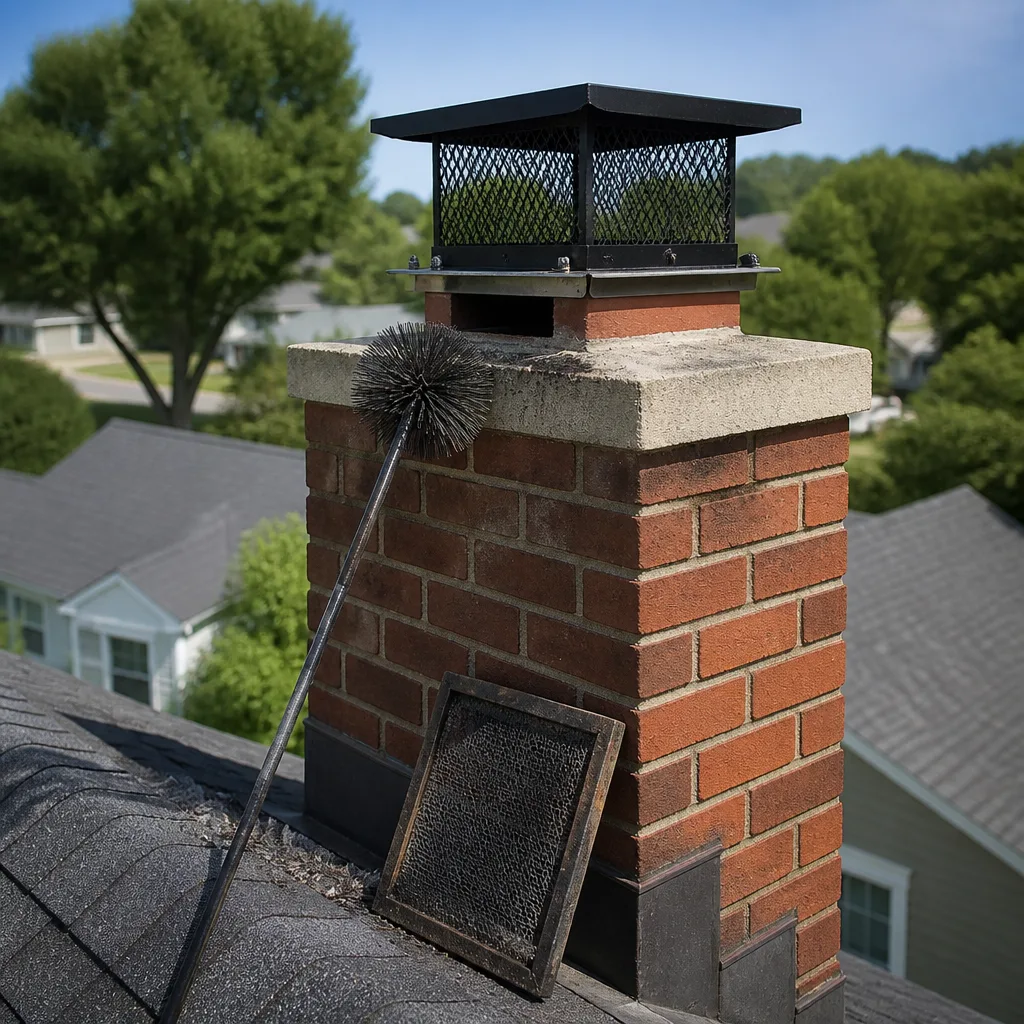
Level 1 sweep and inspection to the NFPA 211 annual standard - flue, crown, cap, and flashing checked and photographed
Chimney sweep logs do not sweep chimneys. They loosen some creosote - which then falls where a brush and vacuum still have to collect it.
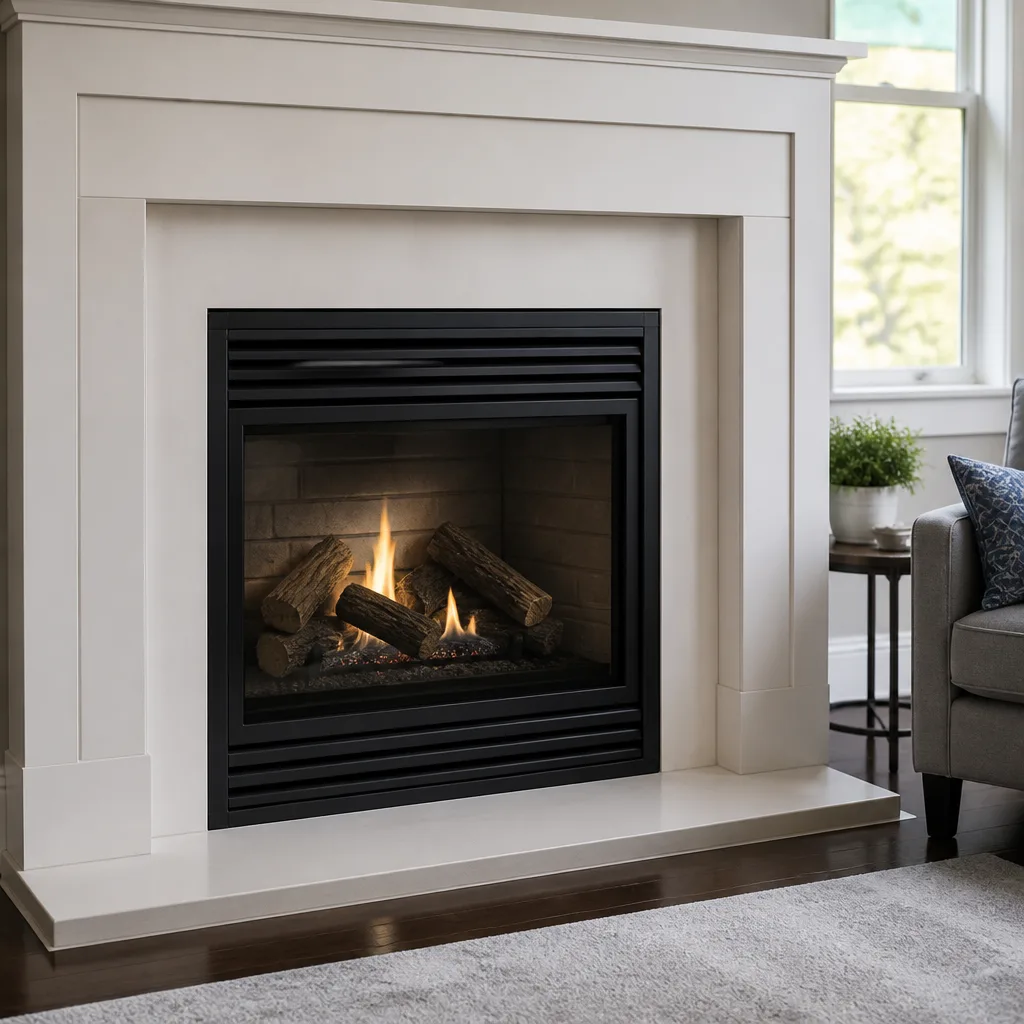
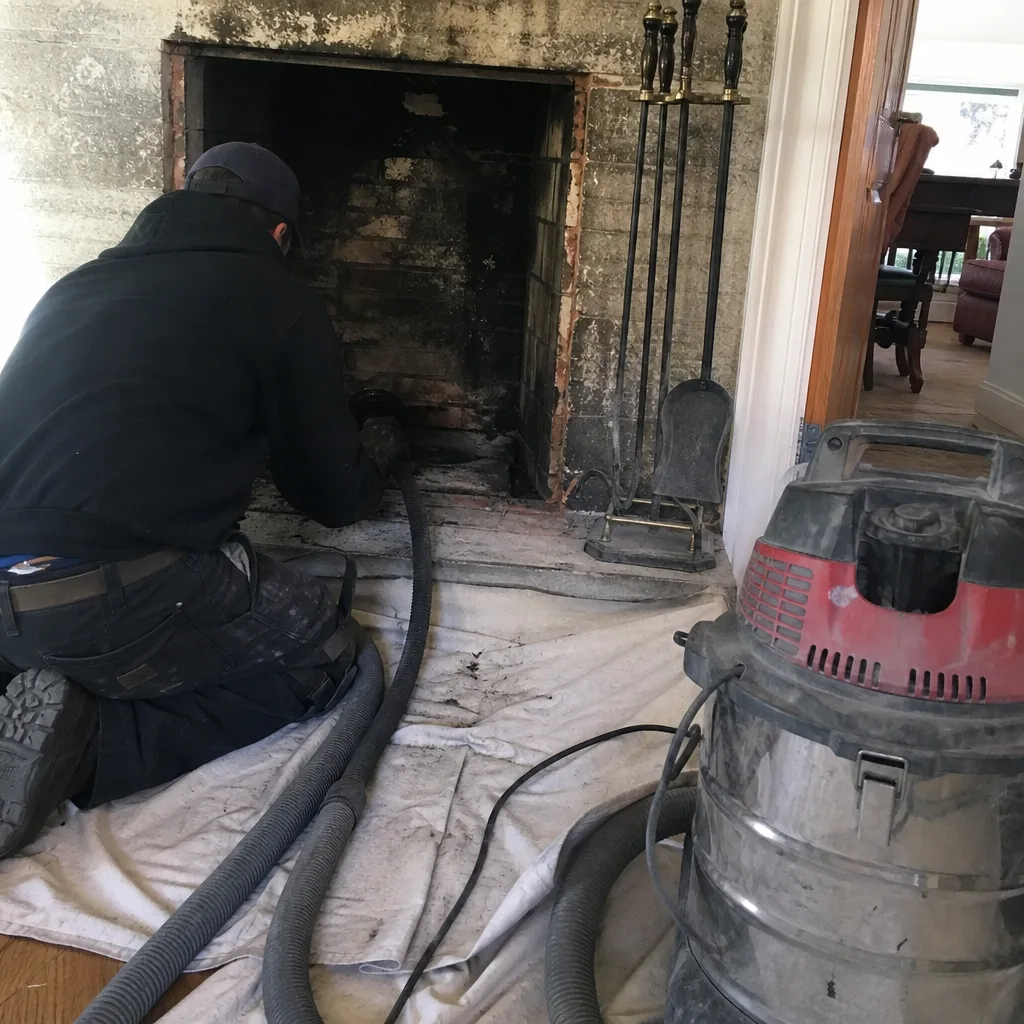 Before
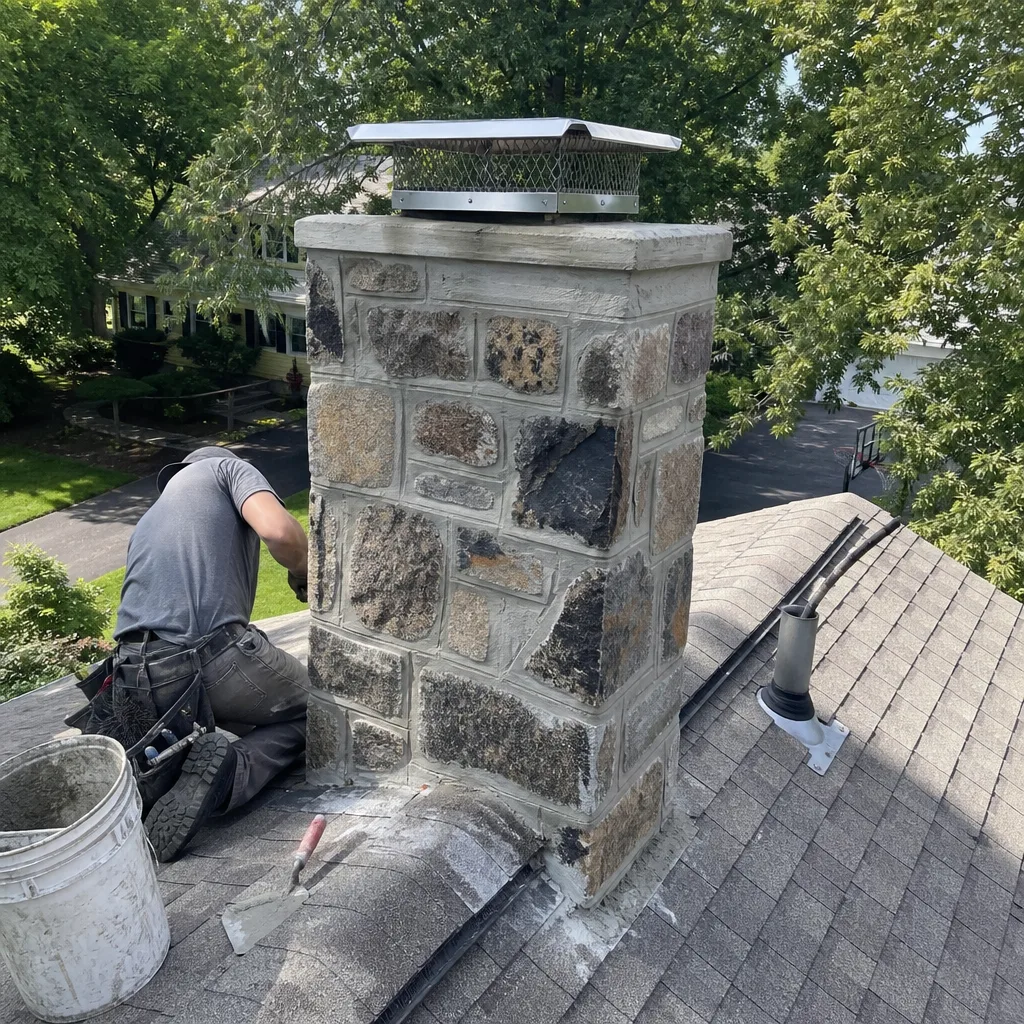 After
After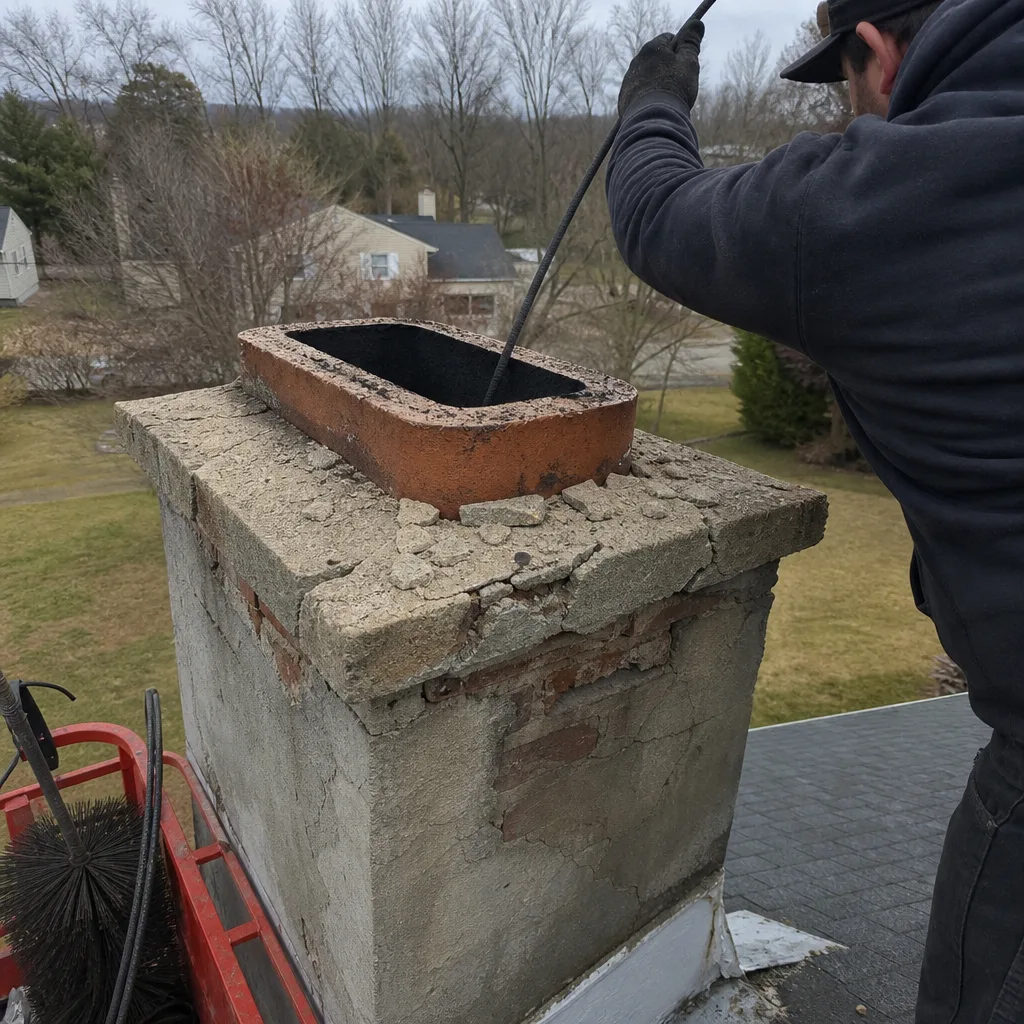 Before
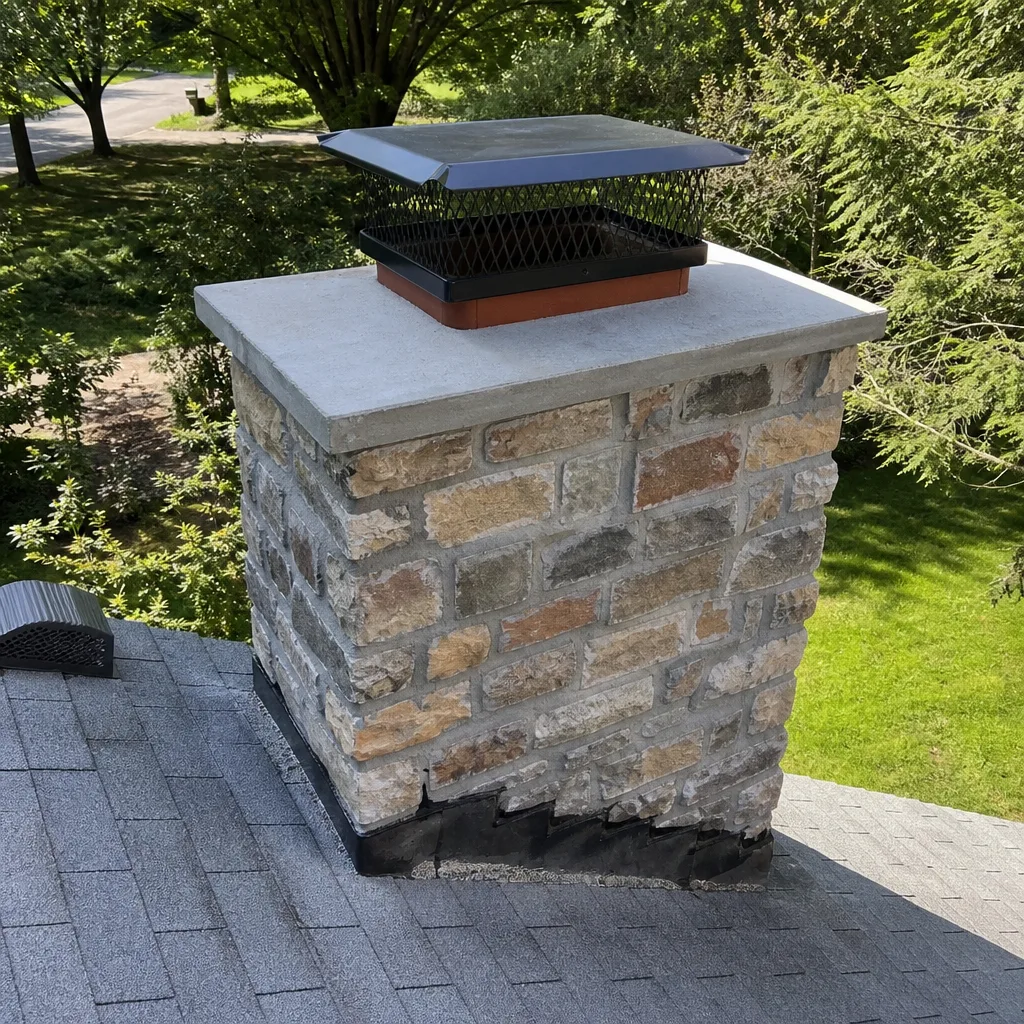 After
After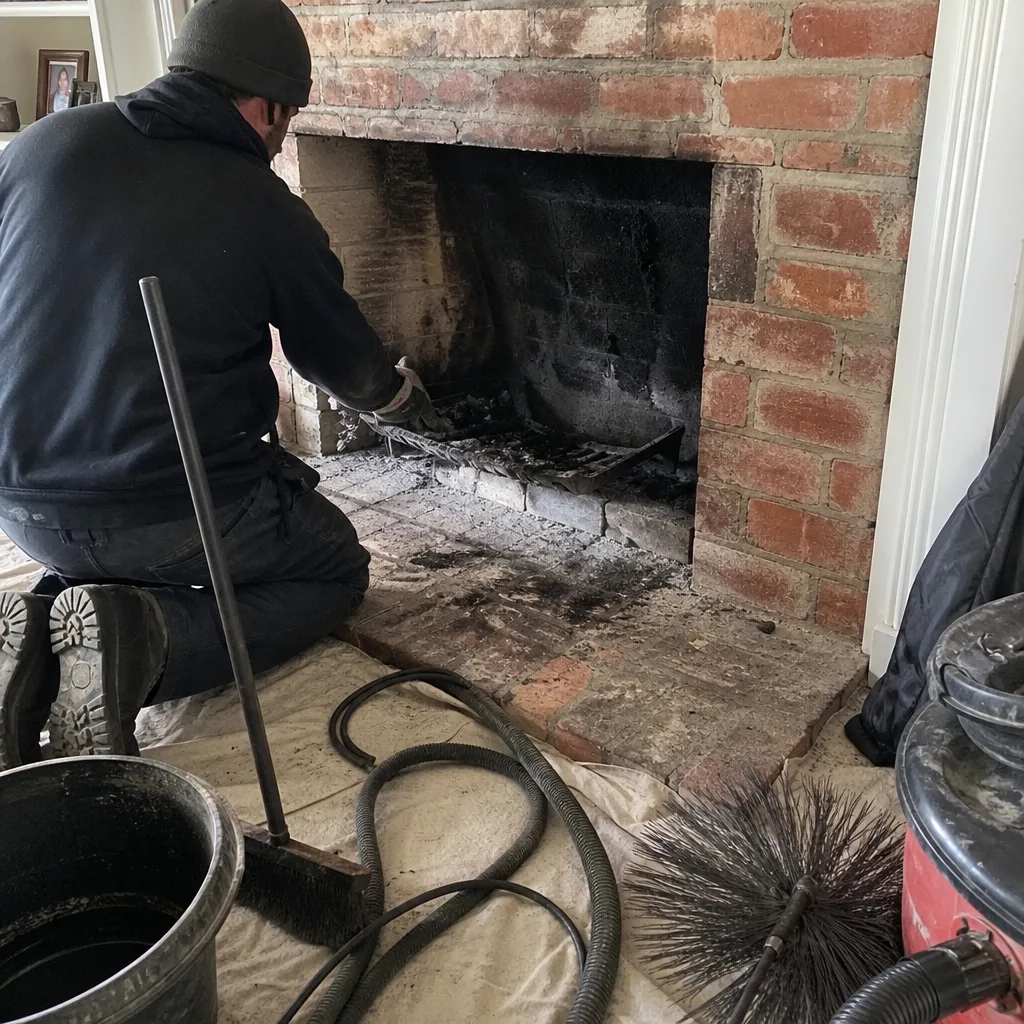 Before
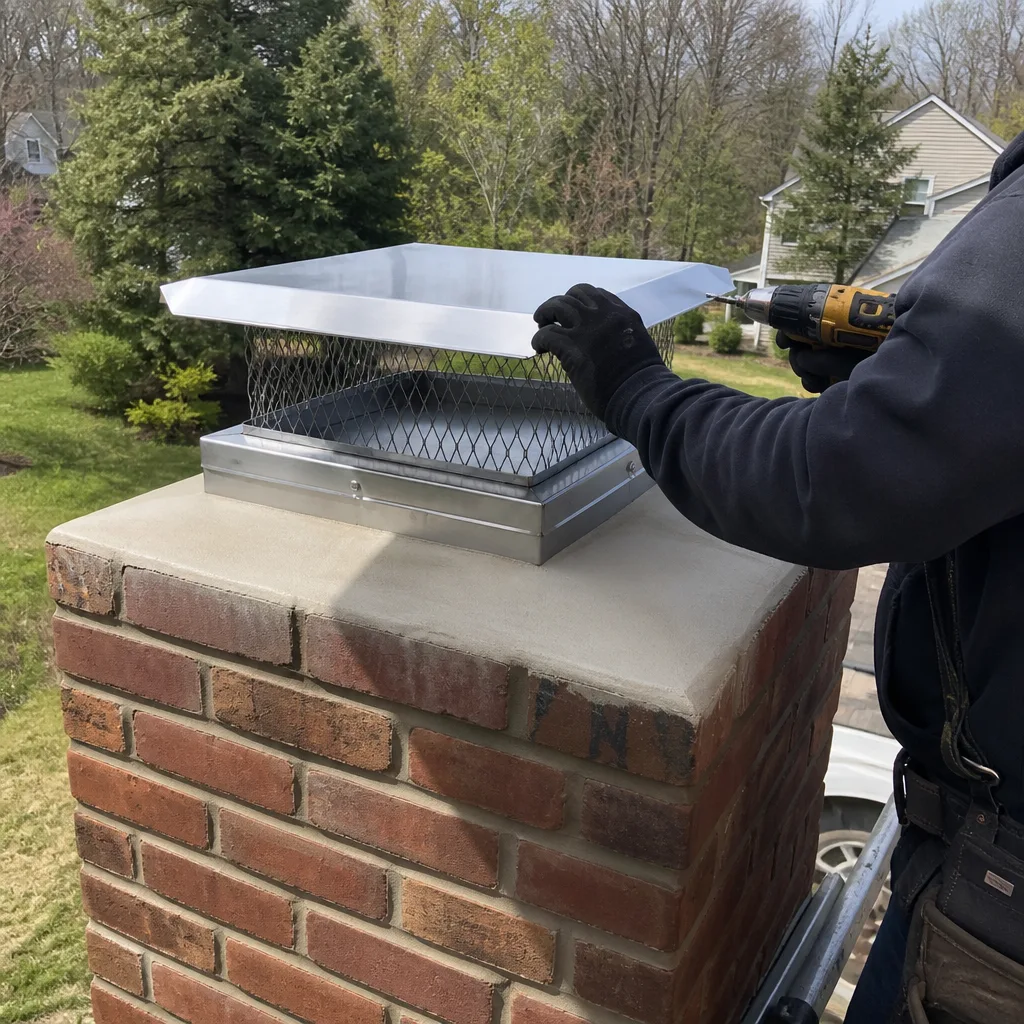 After
AfterHow to Hire a Chimney Cleaning Contractor in Lansdale: A Step-by-Step Guide
Here’s a number that stops homeowners cold: the Chimney Safety Institute of America estimates that chimney fires cause over $125 million in property damage annually, yet most are preventable with proper inspection and cleaning. In Lansdale, where neighborhoods like Upper Gwynedd and Hatfield Township are dense with mid-century homes built during the coal-to-gas conversion era, the real risk isn’t neglect - it’s hiring a contractor who skips the camera scan and leaves you with a handshake and a vague bill. This guide walks through exactly how to vet, compare, and hire a chimney cleaning contractor in Lansdale so you get documentation you can use, not just a broom in your flue - or explore more guides & resources for year-round chimney care.
Quick Answer
To hire a chimney cleaning contractor in Lansdale, verify they perform NFPA 211 Level 2 camera inspections as standard practice, provide written pricing before any work begins, and deliver documented photo records with every visit. Ask five specific questions before booking (detailed below), and treat verbal quotes, “free inspection with sweep” bundling, and reluctance to put scope in writing as disqualifying red flags. In Lansdale’s market of pre-1970s homes with converted coal fireplaces, liner verification must be non-negotiable in your hiring criteria.
Table of Contents
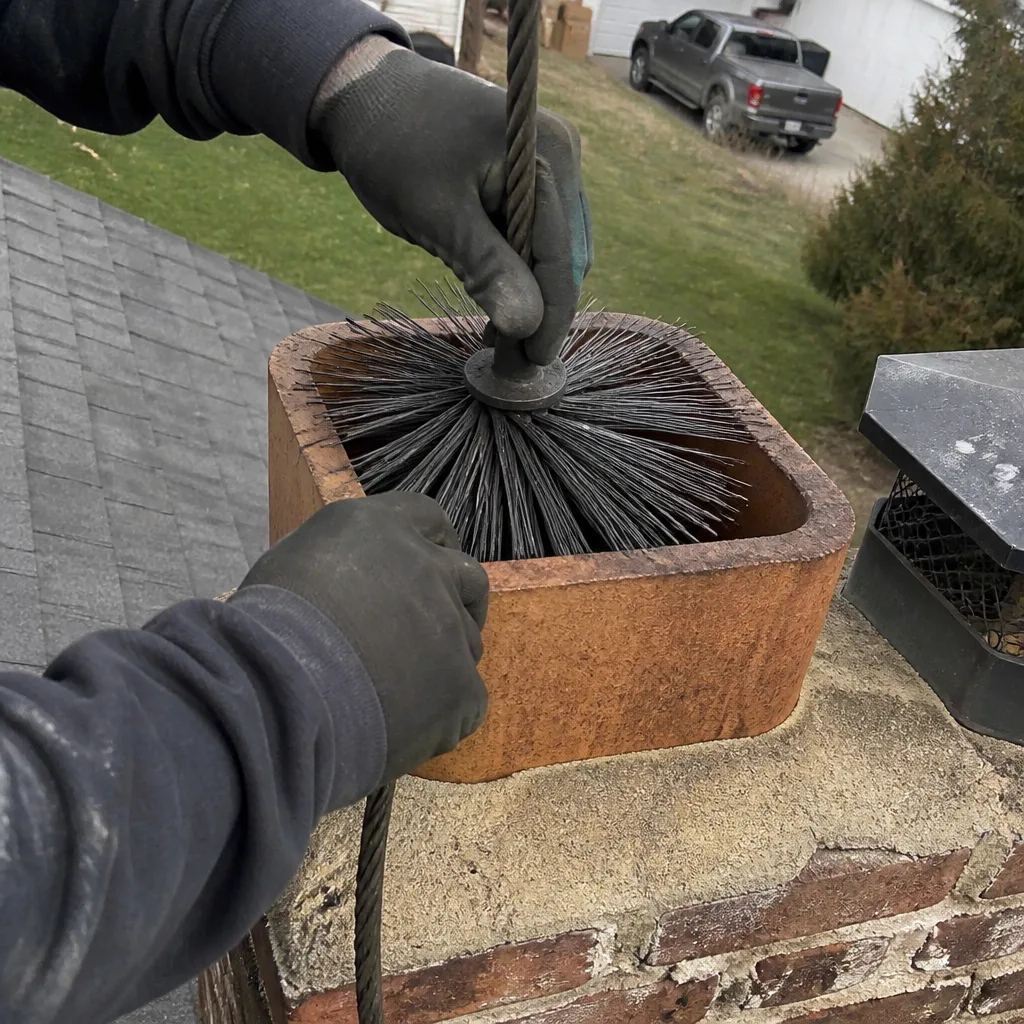
- The Five Questions That Disqualify Most Contractors
- What CSIA Certification Covers - and What It Doesn’t
- How to Read a Chimney Estimate Like an Inspector
- The Written Warranty Minimum: What It Must Include
- Why Lansdale’s Housing Stock Changes Everything
- The Hiring Process: A Step-by-Step Checklist
- Common Mistakes to Avoid
- When to Call a Professional
- Frequently Asked Questions
 Before
 After
AfterThe Five Questions That Disqualify Most Contractors
Ask any chimney contractor for a written price before they touch the chimney. If they hesitate, that hesitation is the answer to every other question you were going to ask.
We’ve completed over 38,000 chimney inspections and cleanings since 2009, and the pattern is consistent: the contractors who create the most expensive surprises are rarely the highest-priced ones. They’re the ones who quote verbally, inspect with a flashlight from the fireplace opening, and discover “additional problems” only after they’ve started work. Here are the five questions to ask every contractor before booking, with the specific answers that should end the conversation.
1. “Will you put the price and scope in writing before you start?”
The only acceptable answer is yes, unconditionally. Not “after we take a look.” Not “we’ll email it tonight.” Written price, written scope, written warranty - delivered before anyone touches your chimney. At Level Two Chimney Lansdale home, this is Haven Standard Clause 1, H.A.V.E.N. “Have it in writing.” We’ve done this on every job since 2009. A contractor who won’t commit to paper before work begins is reserving the right to change the price after you’re committed.
2. “Is the camera scan included, or is it extra?”
Camera inspection should be standard, not an upsell. The NFPA 211 Level 2 inspection requires a visual examination of the internal surfaces of the flue liner - impossible to do thoroughly without a camera. If a contractor treats camera access as a premium add-on, they’re treating minimum safety standards as optional. Our documented photo record on every visit is Haven Standard Clause 4, a practice we started in 2009 before regulators or insurers required it.
3. “What does your technician carry for documentation?”
Look for specific tools, not reassurances. A proper technician arrives with a chimney camera system, combustion analyzer, moisture meter, and the means to produce written documentation on-site or immediately after. “We’ll let you know what we find” means no baseline record exists. You want: photos of the flue liner condition, crown integrity assessment, creosote classification (Class I, II, or III), and a written scope of any recommended work.
4. “Who’s actually coming to my house?”
Background-checked, uniformed technicians with a name and license number you can verify. You should receive a text when they’re en route with an estimated arrival time. This is H.A.V.E.N. “Arrive on schedule” and “Verified crews.” Anonymous dispatch - “someone will be there between 8 and 5” - means no accountability chain exists.
5. “What happens if I disagree with your findings?”
A contractor confident in their documentation offers a free second opinion on any written estimate. Bring a competitor’s quote; we’ll review it against our own findings at no charge. This separates evidence-based practice from sales pressure. If a contractor becomes defensive at the suggestion of second opinions, they’re selling certainty they haven’t earned.
What CSIA Certification Covers - and What It Doesn’t
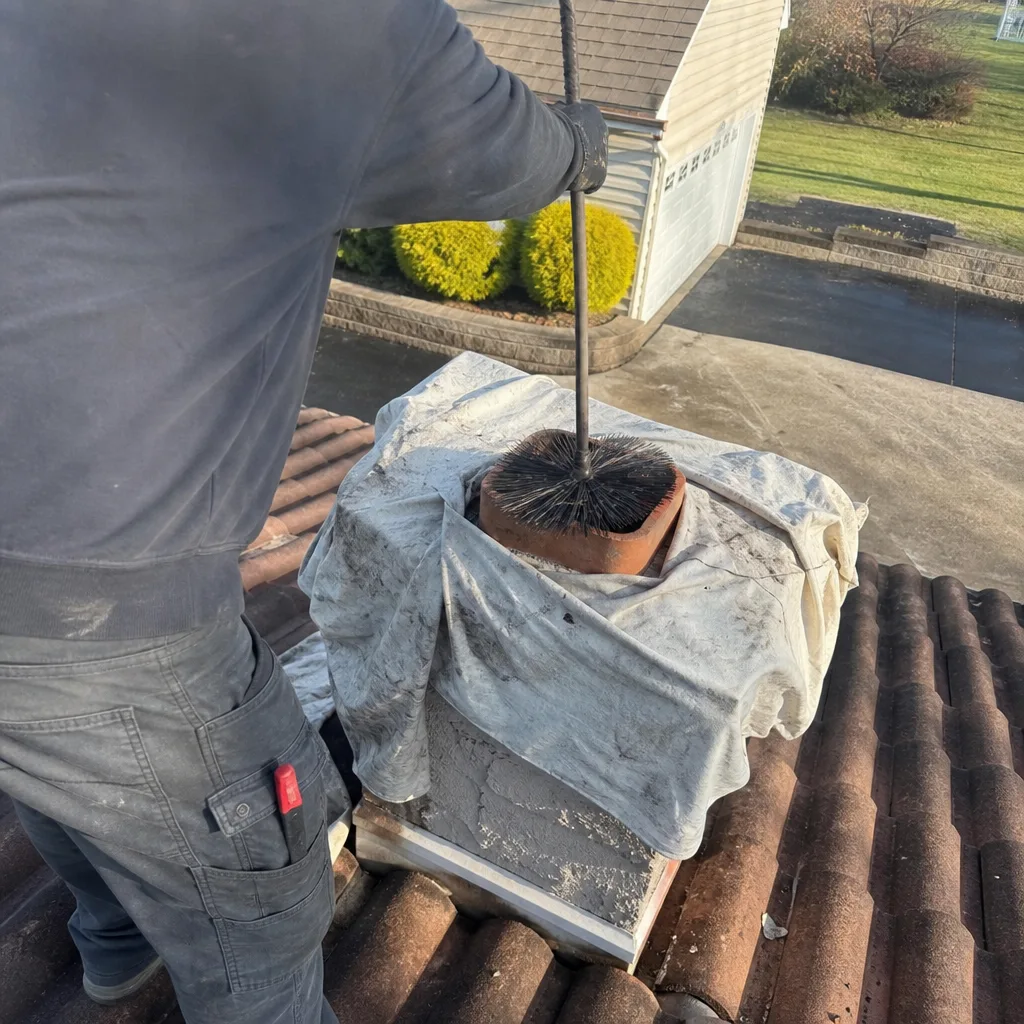
CSIA (Chimney Safety Institute of America) certification is the baseline credential most homeowners look for, and it’s worth verifying. A CSIA-certified sweep has passed a written exam covering chimney physics, building codes, and safety standards. But here’s what the certification does not mandate: camera documentation of every inspection, written warranties with every job, background checks on technicians, or upfront pricing before work begins.
We’ve seen CSIA-certified contractors in the Lansdale area quote verbally, inspect with flashlights, and leave homeowners with no photo record of what was or wasn’t found. The certification tests knowledge; it doesn’t audit business practices. A contractor can be fully credentialed and still operate in ways that leave you unprotected.
What to verify beyond CSIA:
- NFPA 211 compliance as practiced, not just known. The standard defines three inspection levels; ask which level they perform as standard. Level 1 is a visual check from accessible areas. Level 2 requires camera examination of the flue interior - this is what we perform on every Chimney Cleaning & Sweep in Lansdale.
- State and local licensing. Pennsylvania doesn’t require a specific chimney sweep license, but Montgomery County and Lansdale have contractor registration requirements. Verify active registration.
- Insurance and bonding documentation. Request a certificate of insurance naming you as additional insured for the day of service. This isn’t paranoid; it’s standard practice for any trade working inside your home.
The credential that matters most isn’t on a wall. It’s the documented record you hold in your hand when the technician leaves: photos, written findings, written price for any recommended work, and a warranty with a real signature.
How to Read a Chimney Estimate Like an Inspector
Chimney estimates in Lansdale typically fall into two categories: flat-rate sweeps with bundled “inspections,” and itemized proposals with line-item documentation. The first is usually a red flag. Here’s how to tell the difference.
Line Items That Should Appear
| Line Item | What It Means | Typical Lansdale Range |
|---|---|---|
| Chimney sweep (Class I creosote) | Standard cleaning for light, flaky deposits | $175 - $250 |
| Chimney sweep (Class II/III creosote) | Heavier deposits requiring mechanical or chemical removal | $275 - $425 |
| NFPA 211 Level 2 inspection with camera | Internal flue scan, photo documentation | $200 - $325 (often bundled) |
| Moisture assessment | Crown, cap, and exterior water intrusion check | $75 - $125 |
| Written report with photos | Documented record of findings | Included in proper Level 2 |
Line Items That Signal Upsell Pressure
- “Inspection fee waived with cleaning.” This means no standalone inspection value exists. The “inspection” is a brief visual check to find something to sell you. A real Level 2 inspection has independent value and is documented regardless of whether cleaning occurs.
- Vague scope language. “Evaluate and repair as needed” without specific measurements, materials, or methods. Every line item should state what, where, with what material, and to what standard.
- Emergency or urgency surcharges without weather cause. Chimney maintenance is seasonal, not hourly. A contractor creating artificial urgency is selling pressure, not service.
- Material brand unspecified. Quality liners and caps come from identifiable manufacturers. We source through our Haven buying network from Olympia Chimney, Famco, and DuraFlex specifically to keep customer prices honest. “Stainless liner - $2,800” without brand or gauge is an information gap you shouldn’t accept.
The “Free Inspection” Trap
In Lansdale’s competitive market, “free chimney inspection” offers are common. The economics don’t work: a proper Level 2 inspection takes 45-90 minutes with camera documentation. A contractor offering this free is either absorbing the cost into later upsells, or performing a nominal inspection that produces findings requiring immediate (and profitable) action. At Chimney Repair in Lansdale, we charge for our inspection and document why: because the inspection has standalone value, and because separating inspection from cleaning removes the incentive to find problems that don’t exist.
The Written Warranty Minimum: What It Must Include
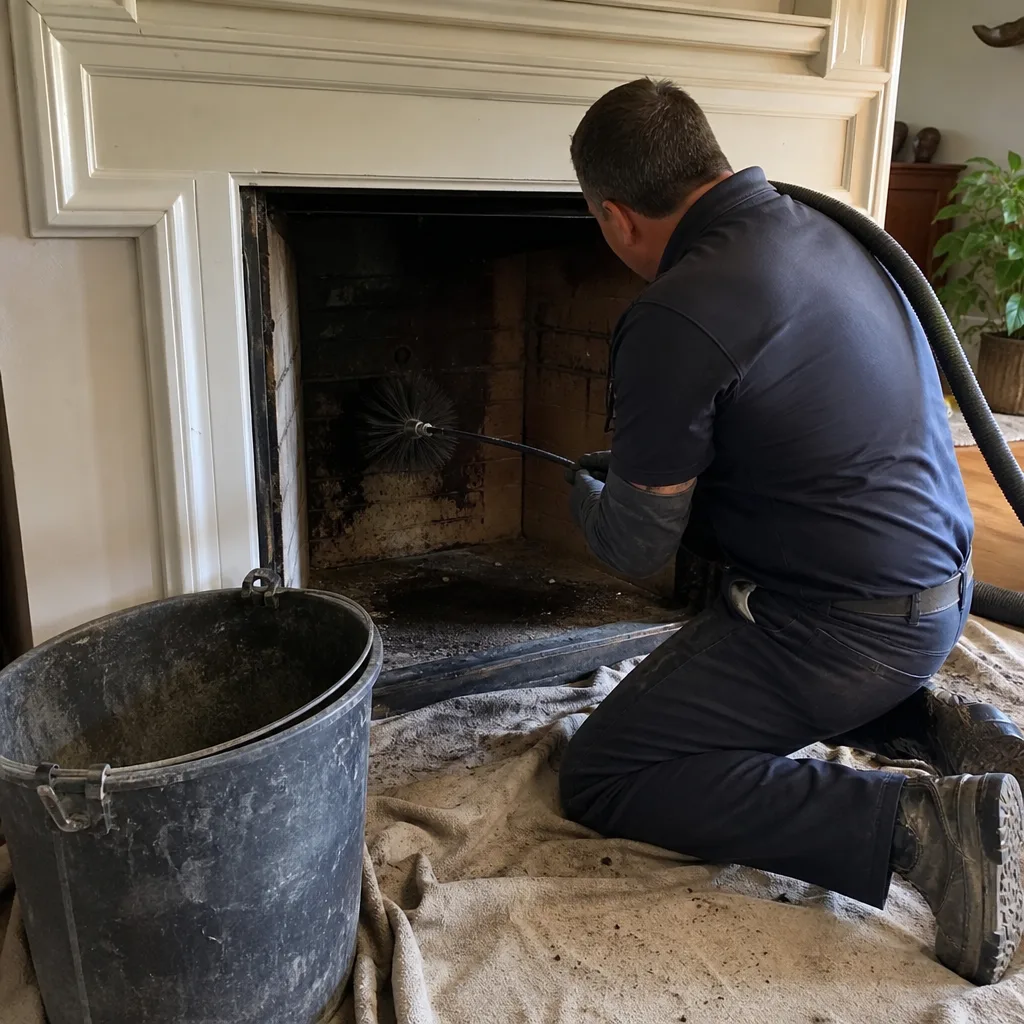
A verbal warranty is no warranty. A written warranty without scope, duration, and signatory is barely better. Here’s the minimum standard for any chimney work warranty in Lansdale.
Four Elements of a Valid Chimney Warranty
- Named scope. Exactly what work is covered: “Relining of flue from smoke chamber to crown with Olympia Chimney stainless steel liner, model [specified], including new connector and cap installation.” Not “chimney repair.”
- Duration with conditions. How long the warranty runs, and what maintenance is required to keep it valid. Annual inspection is a common and reasonable condition. The 365-Day Done Right Promise we stamp on every job is unconditional for the first year - if it’s not done right, we make it right, period.
- Named warrantor. A company name, address, and the signature of an authorized representative. Not “the technician.” Not a company name you can’t verify with the Pennsylvania Department of State.
- Exclusions stated plainly. What voids the warranty: chimney fires, structural modifications by others, lack of annual inspection, specific weather events. A warranty without exclusions is either unenforceable or uninsured.
In our experience across 38,000 jobs, the warranty disputes that reach us almost always involve one of these four elements missing. The homeowner has a handshake promise and a credit card receipt. We require the written warranty delivered before work starts - Haven Standard Clause 1 again - because the moment to negotiate terms is before you’re committed, not after a problem appears.
Why Lansdale’s Housing Stock Changes Everything
Lansdale sits in a corridor of Montgomery County where post-war construction boomed between 1945 and 1975. The housing stock here isn’t generic - it’s specific, and that specificity changes what any chimney contractor should be looking for.
Many homes in Lansdale’s core neighborhoods, particularly between Main Street and the Towamencin Township border, were originally built with coal-burning fireplaces or basement furnaces venting into masonry chimneys. When conversions to oil, then gas, occurred in the 1960s and 1970s, flue liners were often installed improperly or omitted entirely. Terra cotta liners sized for coal combustion may have been left in place, now handling cooler gas exhaust that condenses moisture and accelerates deterioration.
What this means for hiring:
- Liner verification is non-negotiable. Any contractor who sweeps without camera-documenting the liner’s condition, material, and sizing is leaving you exposed to carbon monoxide infiltration or structural damage. We’ve found unlined flues in Lansdale homes where homeowners had received “clean” reports for years from flashlight inspections.
- Creosote patterns differ. Gas appliances produce minimal creosote, but improper liner sizing or damaged liners can cause backdrafting that deposits corrosive condensation. A contractor classifying all deposits as “normal” without combustion analysis is missing the real problem.
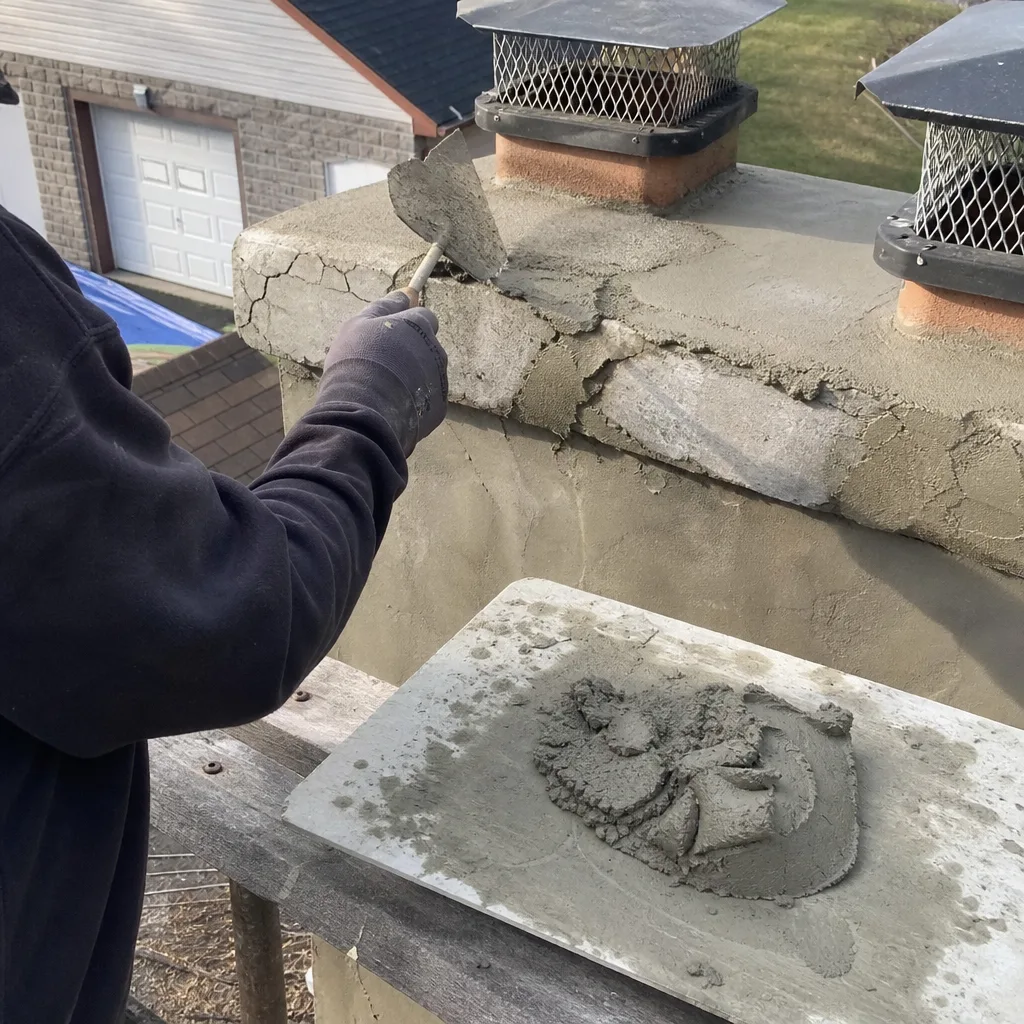
- Crown and cap condition is critical. Lansdale’s freeze-thaw cycles - temperatures swinging from single digits to 50°F across a winter week - accelerate concrete crown deterioration. Spalling (surface flaking) that looks cosmetic can expose the chimney interior to water that destroys liners from the outside in. We document crown condition with photos on every visit because we’ve seen $200 crown repairs become $4,000 rebuilds when water intrusion goes undocumented.
The contractor you hire in Lansdale should know these patterns without you prompting them. If you mention your home’s era and they don’t ask about conversion history, liner type, or previous fuel sources, they don’t know the local housing stock. That’s disqualifying.
The Hiring Process: A Step-by-Step Checklist
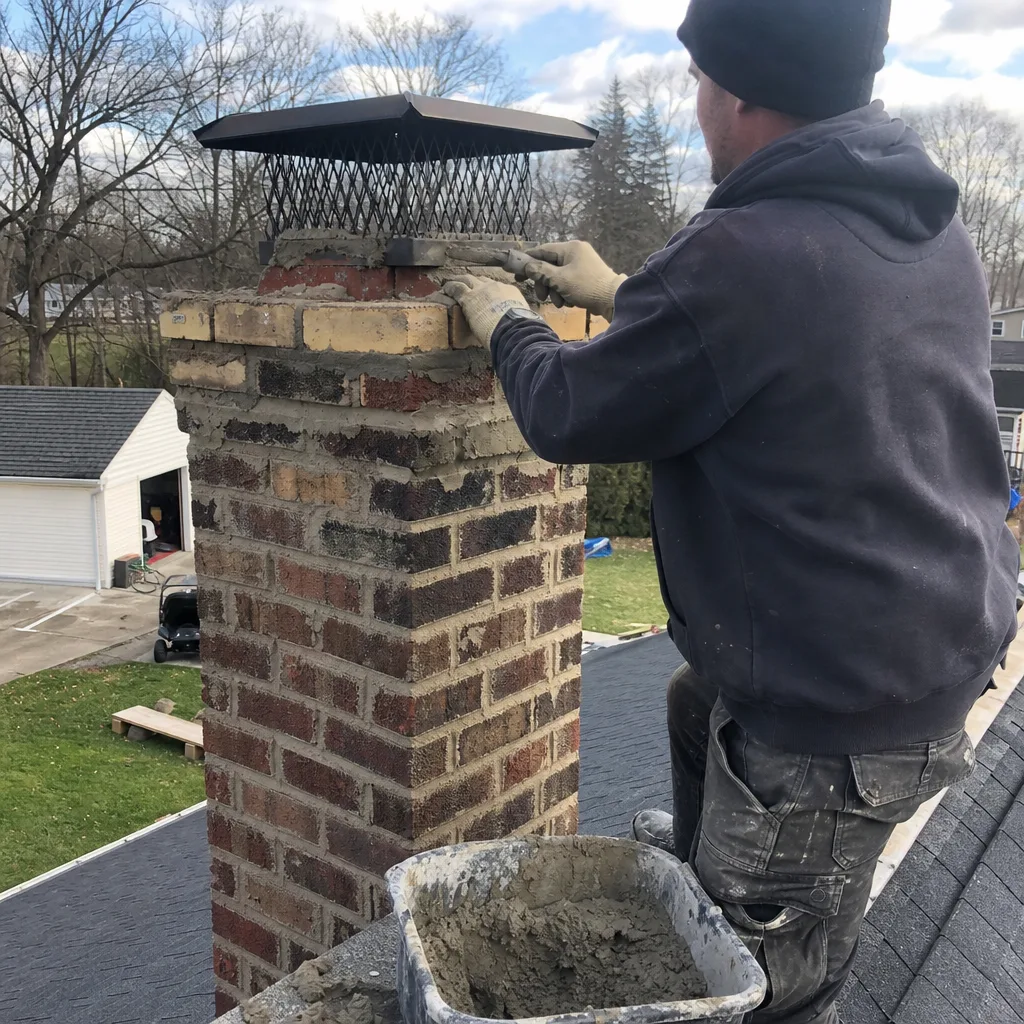
Use this sequence to move from initial search to booked appointment with documentation in hand.
Step 1: Verify Business Legitimacy
Search the Pennsylvania Department of State business entity database. Confirm active status. Check Montgomery County contractor registration. Review complaint history with the Better Business Bureau. A legitimate contractor has traceable business history, not just a website and a cell number.
Step 2: Request Documentation Standards by Email
Before calling, email: “Do you provide written pricing before work begins, camera inspection photos, and a written warranty?” The response reveals their process. A detailed, specific reply indicates organized operations. A generic “we’ll discuss when we come out” indicates verbal-quote culture.
Step 3: Schedule the Inspection Separately if Uncertain
If you’re new to a home or haven’t had documented inspection in three-plus years, book a standalone Level 2 inspection first. This removes the incentive structure where cleaning and inspection are bundled, and gives you a documented baseline for future comparison. Our Fireplace Services in Lansdale include this as a standard starting point for new clients.
Step 4: Verify Technician Identity Before Arrival
You should receive: technician name, photo, license number, and estimated arrival window. Background check confirmation should be available on request. Uniform and marked vehicle are baseline expectations, not premium features.
Step 5: Review Documentation Before Payment
Don’t pay until you’ve reviewed: photos of flue interior, classification of any deposits, assessment of liner condition, crown and cap status, and written scope with price for any recommended work. The 365-Day Done Right Promise should be visible on your documentation. Ask questions about anything unclear. A technician who resists explanation is a technician selling, not serving.
Step 6: Archive Your Records
Chimney documentation has insurance and real estate value. Keep your photo record, written report, and warranty where you keep home improvement records. When you sell, buyers and inspectors will ask for this history. When you claim insurance, adjusters will require documentation of maintenance. We’ve had Lansdale clients use decade-old inspection records to dispute neighbor claims of shared chimney damage.
Common Mistakes to Avoid
- Hiring by price alone in Lansdale’s mid-century housing market. The lowest bid often omits camera inspection, leaving undetected liner damage that becomes a $3,000-$8,000 emergency when water infiltration or carbon monoxide issues surface. The most expensive hire is the undocumented cheap one.
- Accepting “the sweep includes a basic inspection.” A sweep includes removing deposits from accessible surfaces. It does not include internal flue evaluation, liner verification, or combustion analysis. These are separate procedures with separate documentation standards.
- Booking during peak season without documentation commitment. October through December in Lansdale means contractors are busy. Some cut corners: shorter inspections, verbal reports, deferred documentation. Insist on the same standards year-round. We maintain Haven Standard compliance across all seasons because documentation isn’t seasonal.
- Ignoring neighborhood-specific risks. Homes near the Lansdale SEPTA corridor or in the Towamencin Creek floodplain may have accelerated foundation settling that affects chimney alignment. A contractor who doesn’t ask about location-specific factors isn’t performing due diligence.
- Failing to verify material brands. “Stainless steel liner” covers products ranging from $400 to $1,200 in material cost alone. We specify Olympia Chimney, DuraFlex, or Famco components because these manufacturers publish performance specifications and honor warranties through verified installers.
- Not asking who performs the work. Some companies subcontract sweeps to uncredentialed day laborers during busy season. Verify: is the person at your door an employee with training records, or a contractor with unknown qualifications?
When to Call a Professional
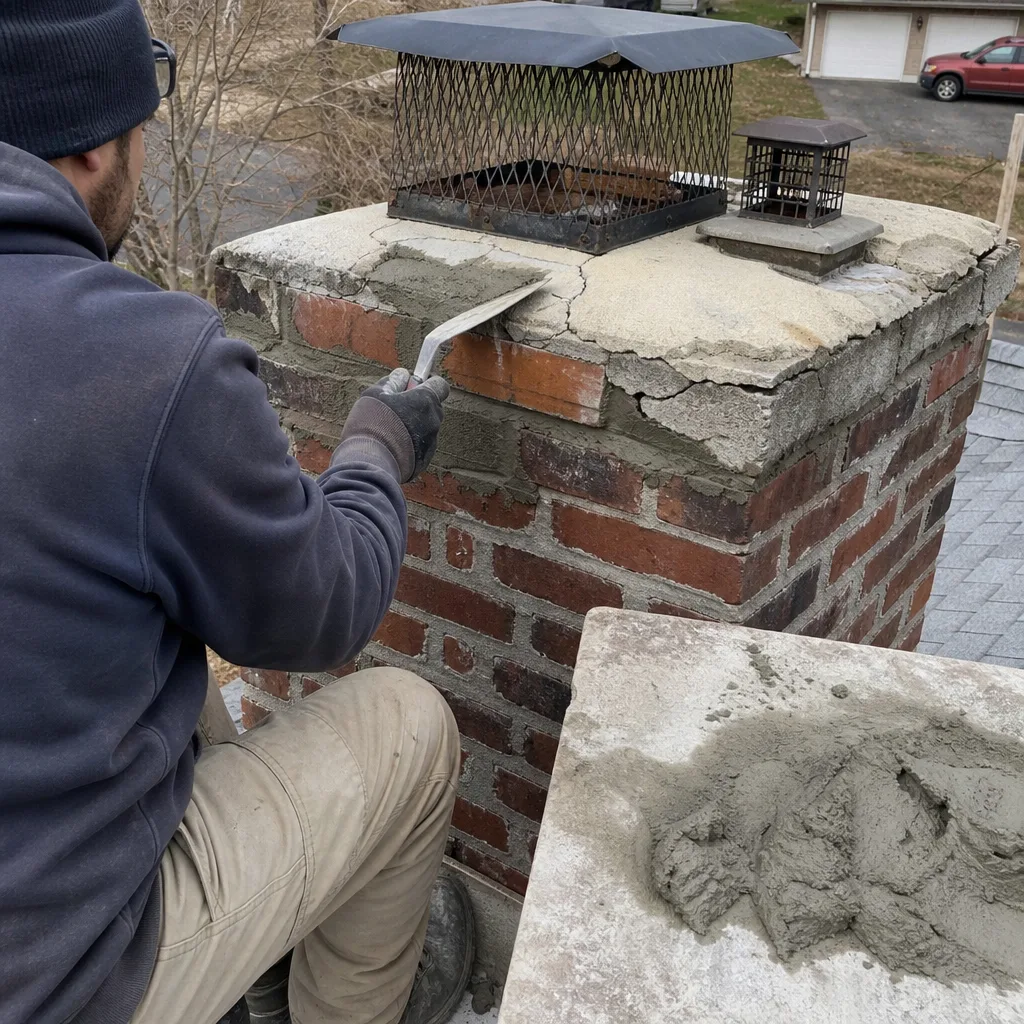
Call a chimney professional before burning season begins if: you’ve never had a documented Level 2 inspection; you notice draft problems, smoke spillage, or unusual odors; your firebox or hearth shows staining or deterioration; or you’ve purchased a home with unknown chimney history. In Lansdale’s converted housing stock, these indicators are especially significant - they often trace to liner compatibility issues invisible from the fireplace opening.
Level Two Chimney Lansdale offers free estimates in Lansdale - call (267) 327-4785. Our live phone support runs 24 hours a day, 7 days a week. You’ll speak to a person who can schedule, answer documentation questions, or arrange a free second opinion on any competitor’s written estimate.
Frequently Asked Questions
A standard chimney sweep in Lansdale typically costs $175-$250 for Class I creosote removal, and $275-$425 for heavier Class II or III deposits requiring mechanical or chemical treatment. For full pricing context, see our Chimney Cleaning Cost Breakdown: The Lansdale Homeowner’s Reference for 2026. An NFPA 211 Level 2 inspection with camera documentation adds $200-$325, though reputable contractors often bundle this with cleaning at reduced combined rates. Prices vary by chimney height, accessibility, and creosote severity. Call (267) 327-4785 for an exact quote - estimates are free.
You should not accept a liner recommendation without camera-documented evidence you can see for yourself. A proper contractor shows you: the liner material (terra cotta, stainless, or none), its condition (cracks, gaps, deterioration), and sizing relative to your appliance. In Lansdale’s converted coal-era homes, unlined or improperly lined flues are genuinely common - but the diagnosis must be demonstrable, not asserted. Our Free Second Opinion on any written estimate exists specifically for this concern.
The NFPA recommends annual inspection for all chimneys, with cleaning frequency determined by creosote accumulation, not calendar. Wood-burning fireplaces in regular use typically need annual sweeping; gas appliances with proper drafting may extend to every two to three years if inspection confirms minimal deposit. Lansdale’s freeze-thaw climate makes annual inspection particularly important for crown and exterior condition regardless of fuel type.
Skipped maintenance leads to three predictable outcomes: creosote accumulation increases fire risk (Class III creosote ignites at approximately 451°F, roughly the temperature of a hot fire); moisture intrusion destroys liners and masonry from the outside in; and undetected damage allows carbon monoxide or combustion gases to enter living spaces. These aren’t theoretical - they’re the findings we document in Lansdale homes where maintenance lapsed three or more years.
A sweep removes combustible deposits from accessible chimney surfaces. An inspection evaluates structural condition, liner integrity, clearances, and appliance connection for safety compliance. A sweep can occur without inspection; an inspection should occur with documentation. In our practice, every visit includes both because incomplete information is a disservice. The Chimney Cleaning & Sweep in Lansdale page details our combined protocol.
Homeowners can perform basic firebox cleaning and ash removal. Internal flue cleaning requires proper brushes sized to your flue diameter, extension rods, and respiratory protection against carcinogenic creosote particles. More critically, without camera inspection you cannot assess liner condition or identify hidden damage. For Lansdale’s mid-century chimneys with unknown conversion histories, professional evaluation is strongly recommended. We do not provide DIY flue cleaning guidance because undetected liner failure poses genuine carbon monoxide and fire hazards.
The Bottom Line
The most expensive chimney hire in Lansdale is the one that leaves no documentation. A low bid with verbal quotes and flashlight inspections creates a baseline of zero - every future finding becomes a new charge with no history to dispute it. The contractor to hire is the one who treats evidence as standard: written price before work, camera inspection with photo record, written warranty with named scope. These aren’t premium services; they’re the minimum standard for informed homeownership in a housing market where converted coal chimneys are common and undetected liner damage is costly. Ask the five questions. Verify the documentation. Archive what you receive. Your future self, your insurance adjuster, and your home’s next buyer will all need it.
Written by Corrine Halstead, Owner at Level Two Chimney Lansdale, serving Lansdale since 2009.