
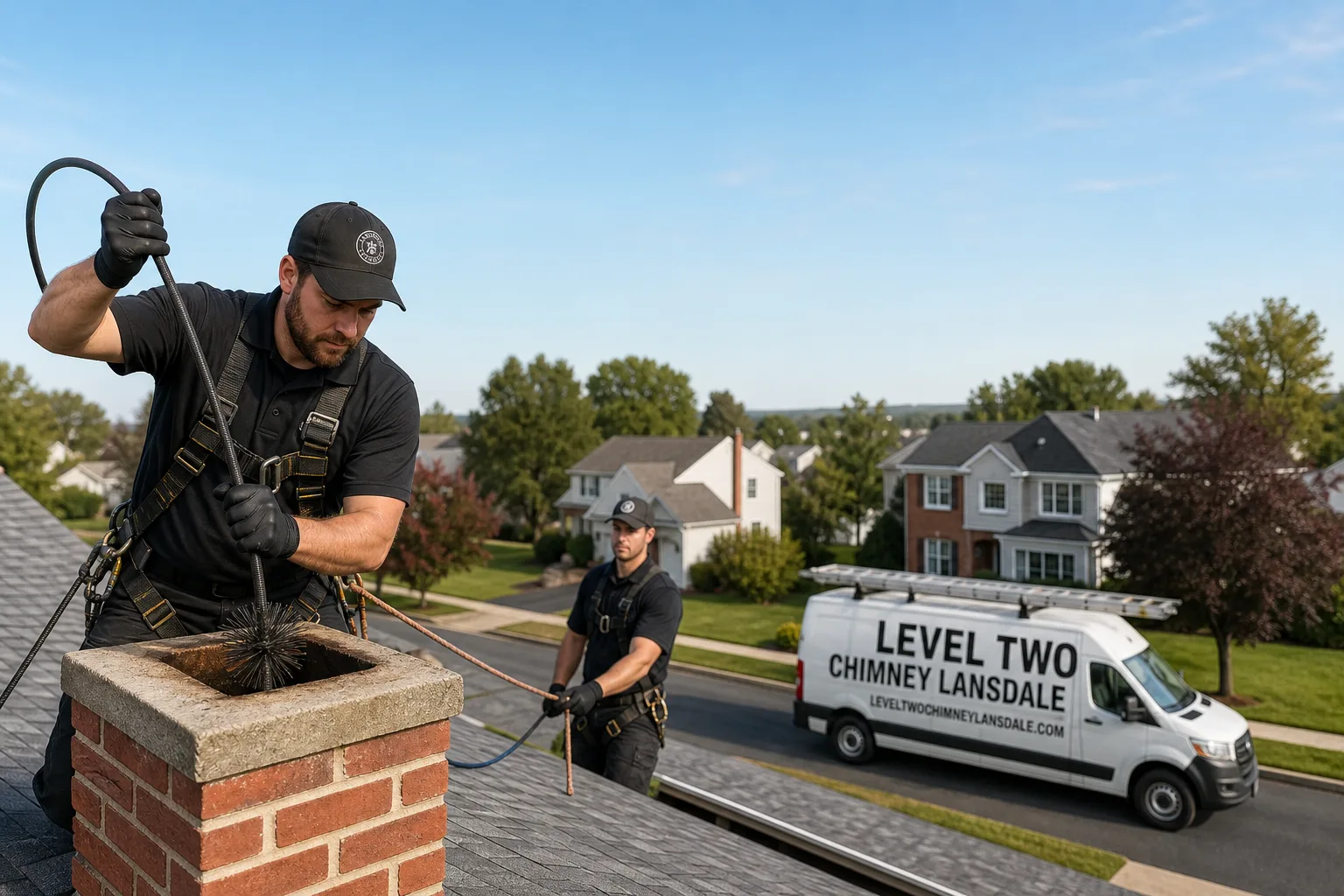
Level 1 sweep and inspection to the NFPA 211 annual standard - flue, crown, cap, and flashing checked and photographed
Chimney sweep logs do not sweep chimneys. They loosen some creosote - which then falls where a brush and vacuum still have to collect it.
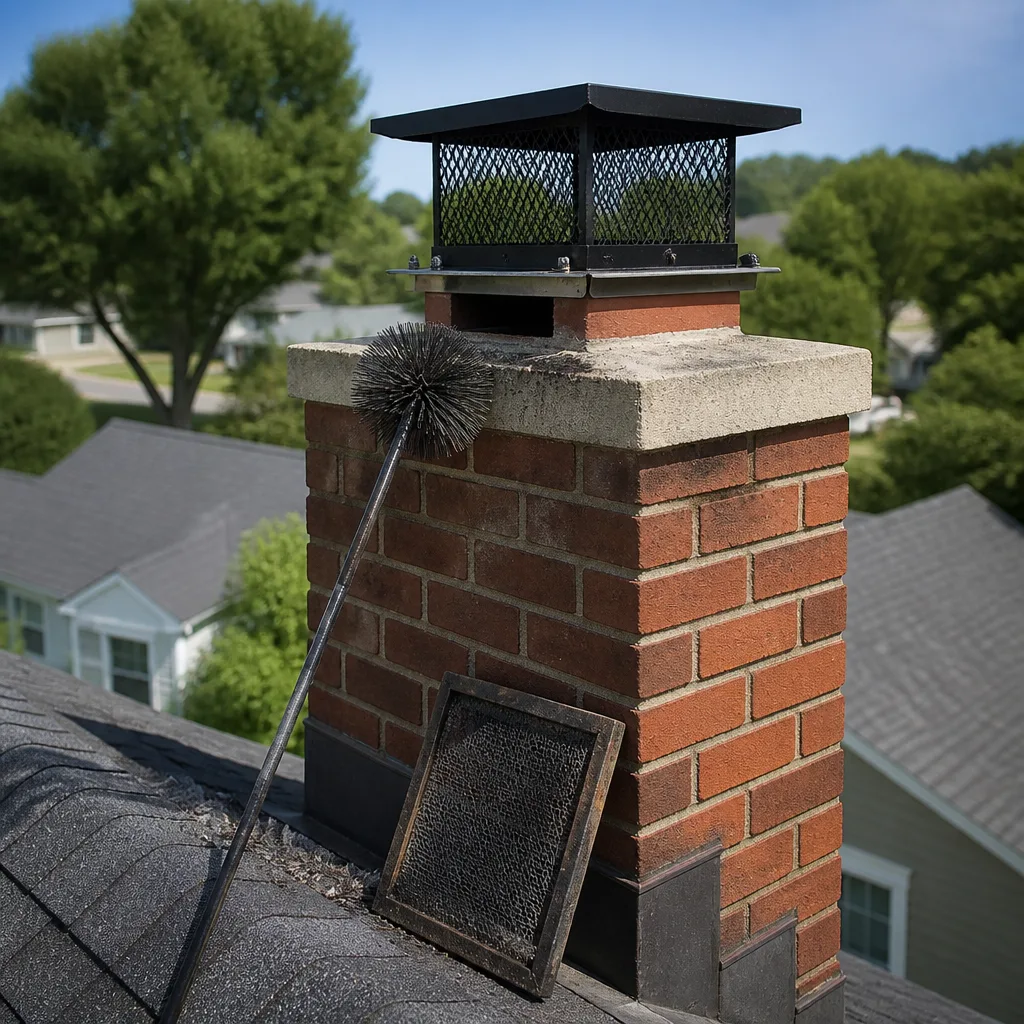
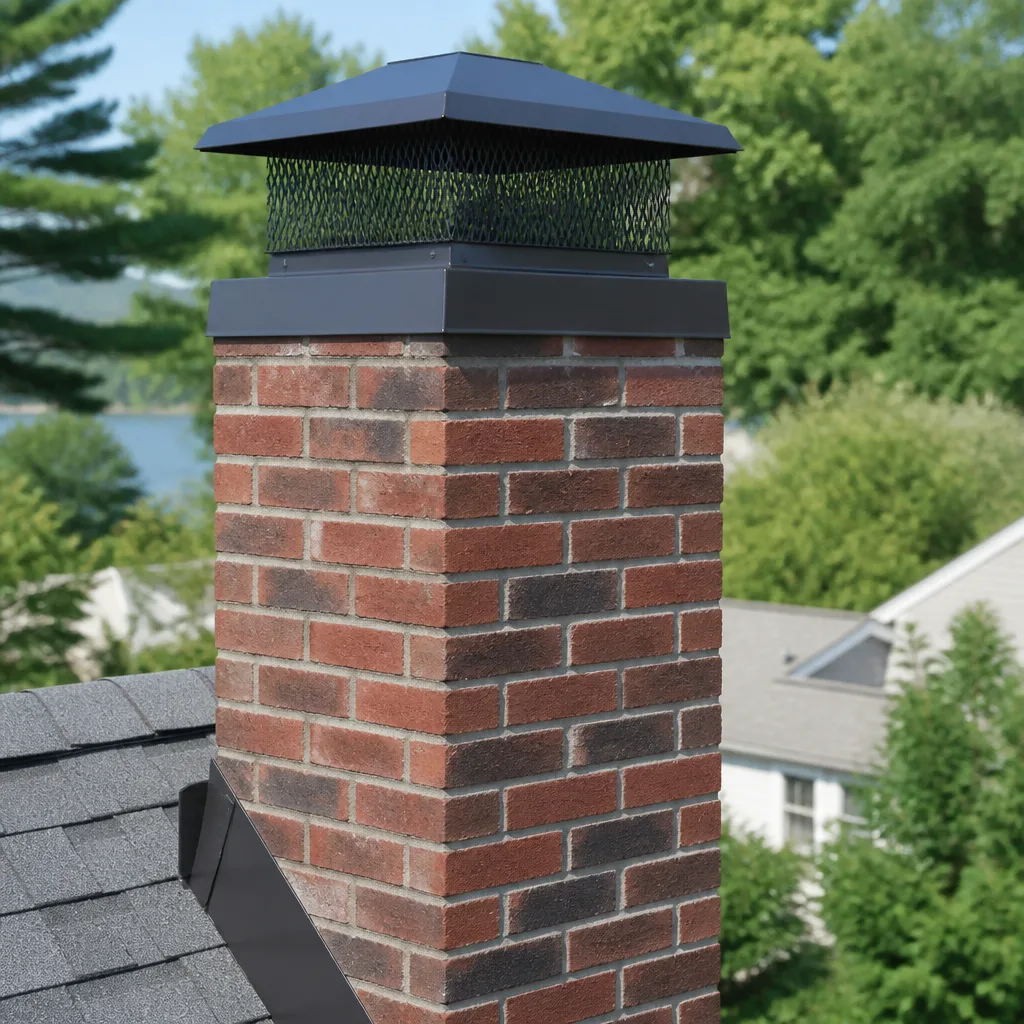
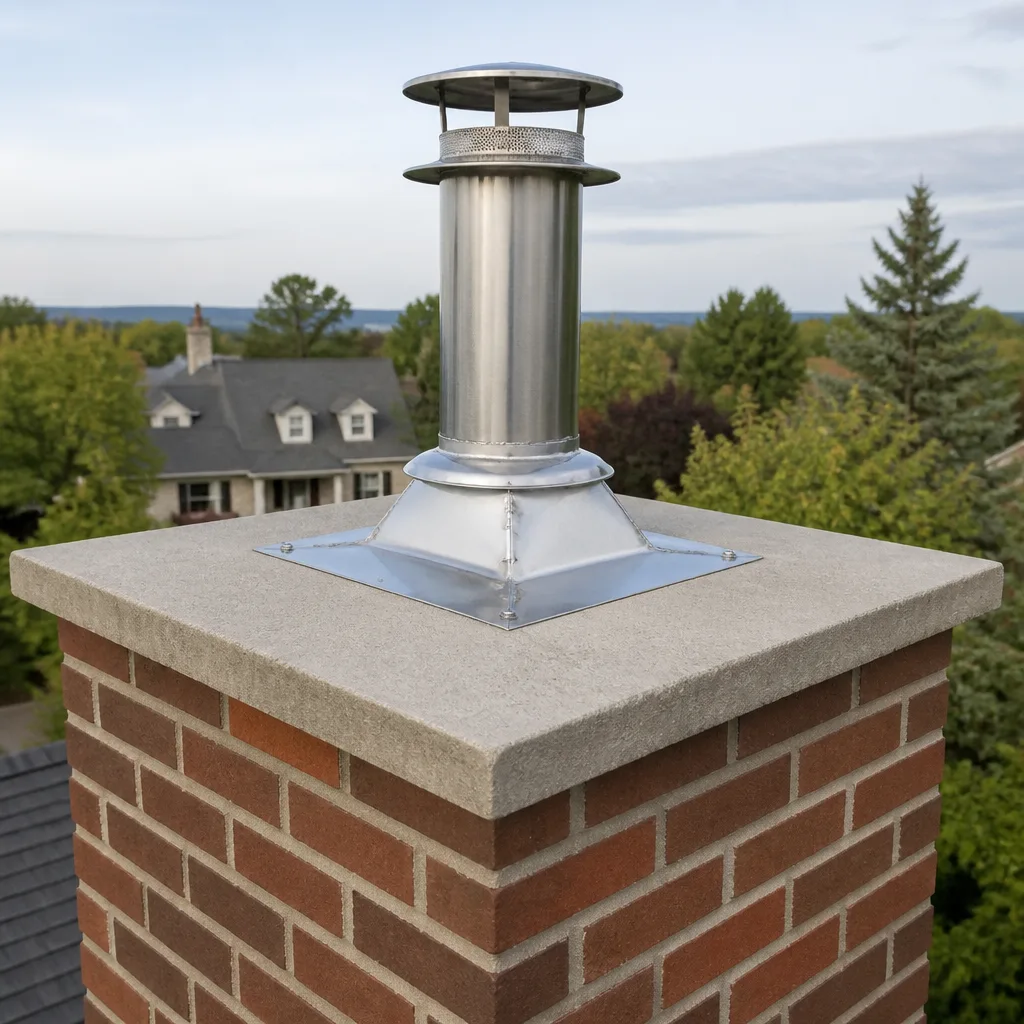
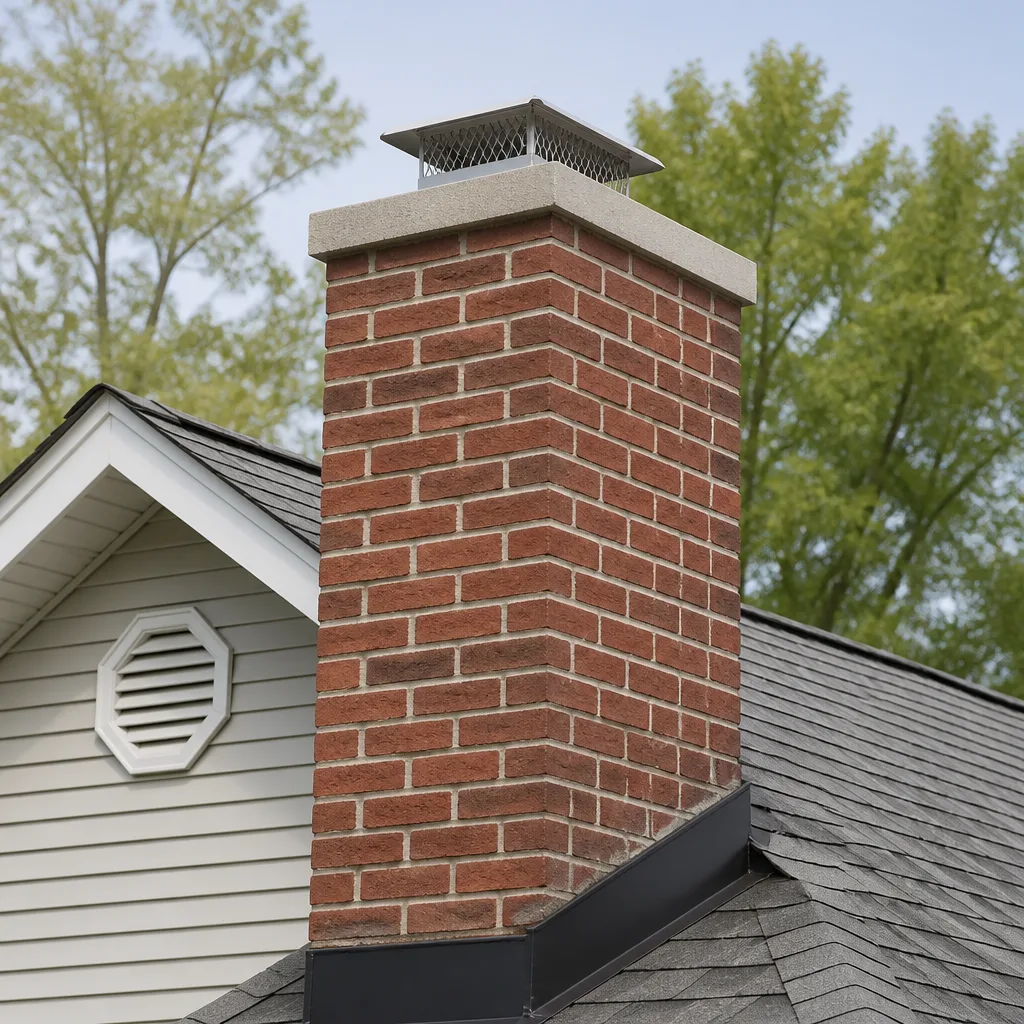
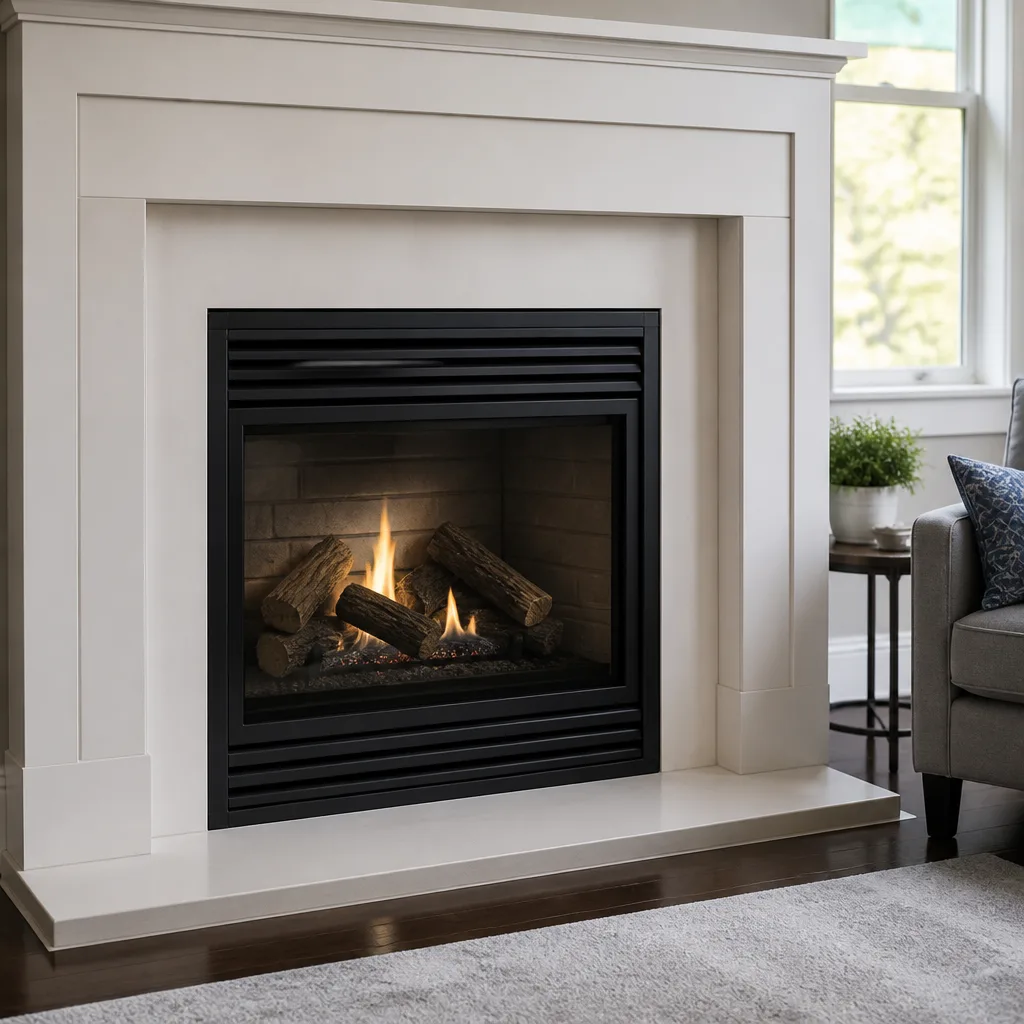
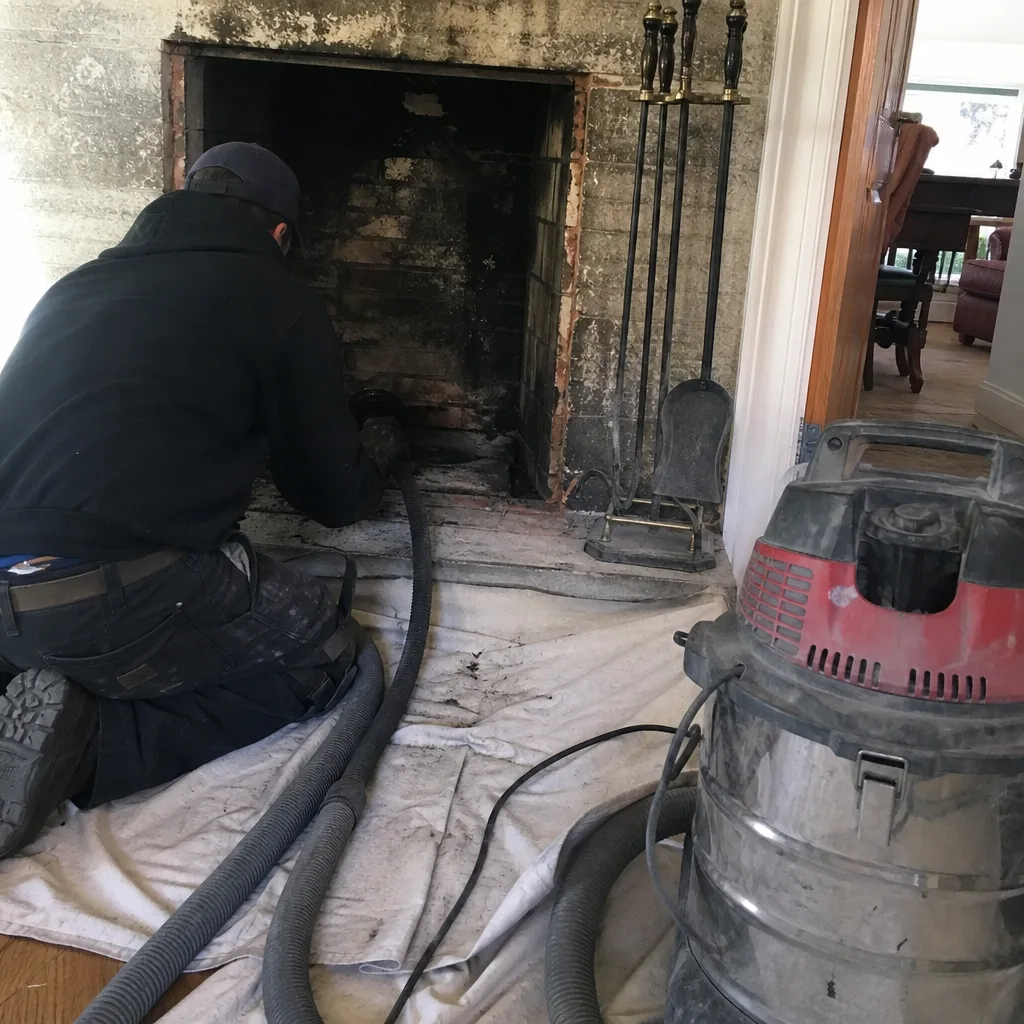 Before
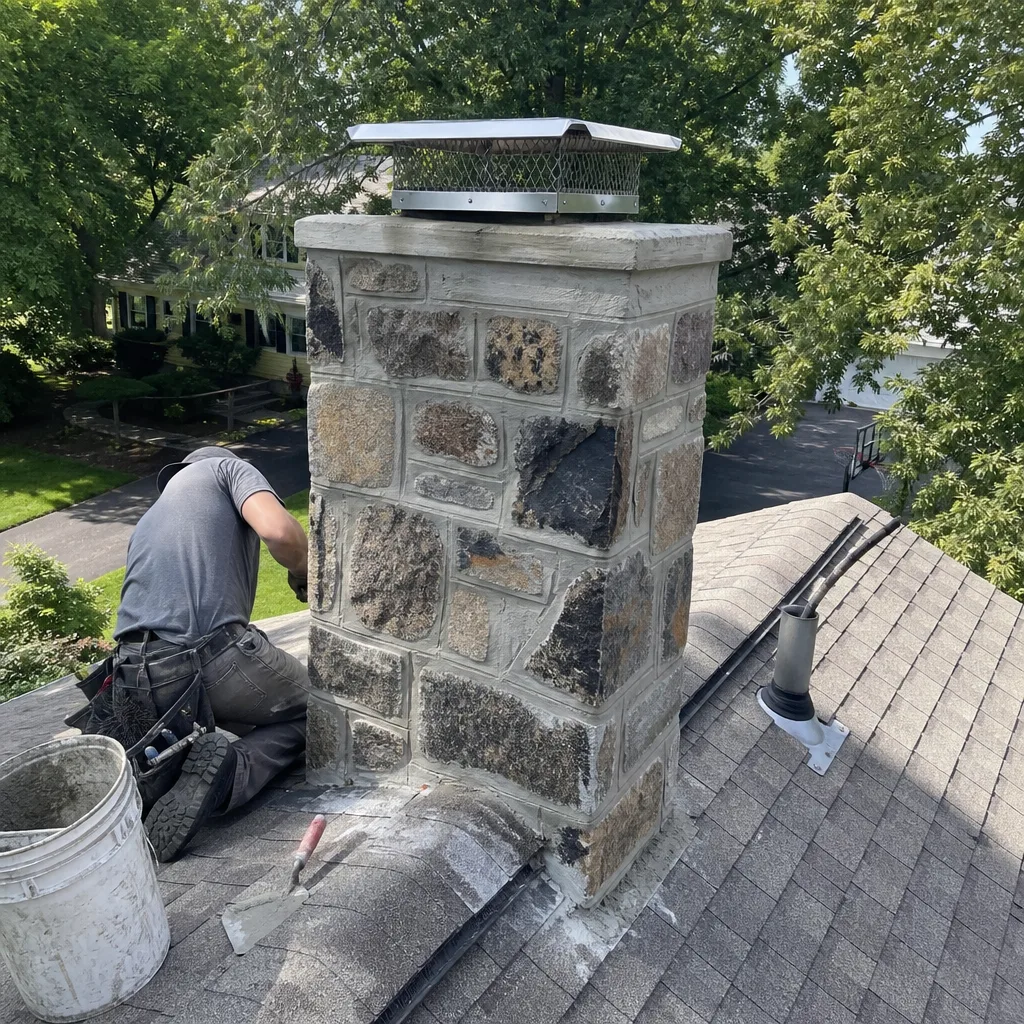 After
After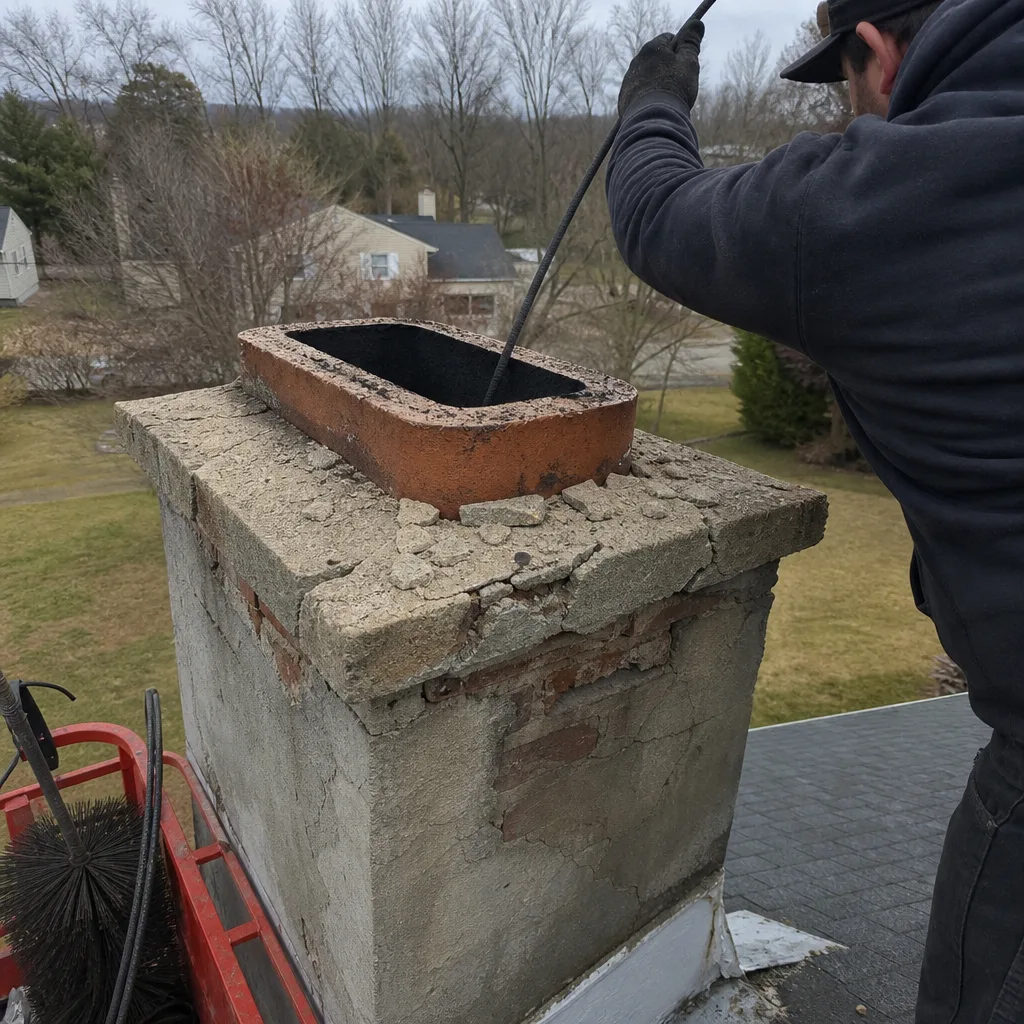 Before
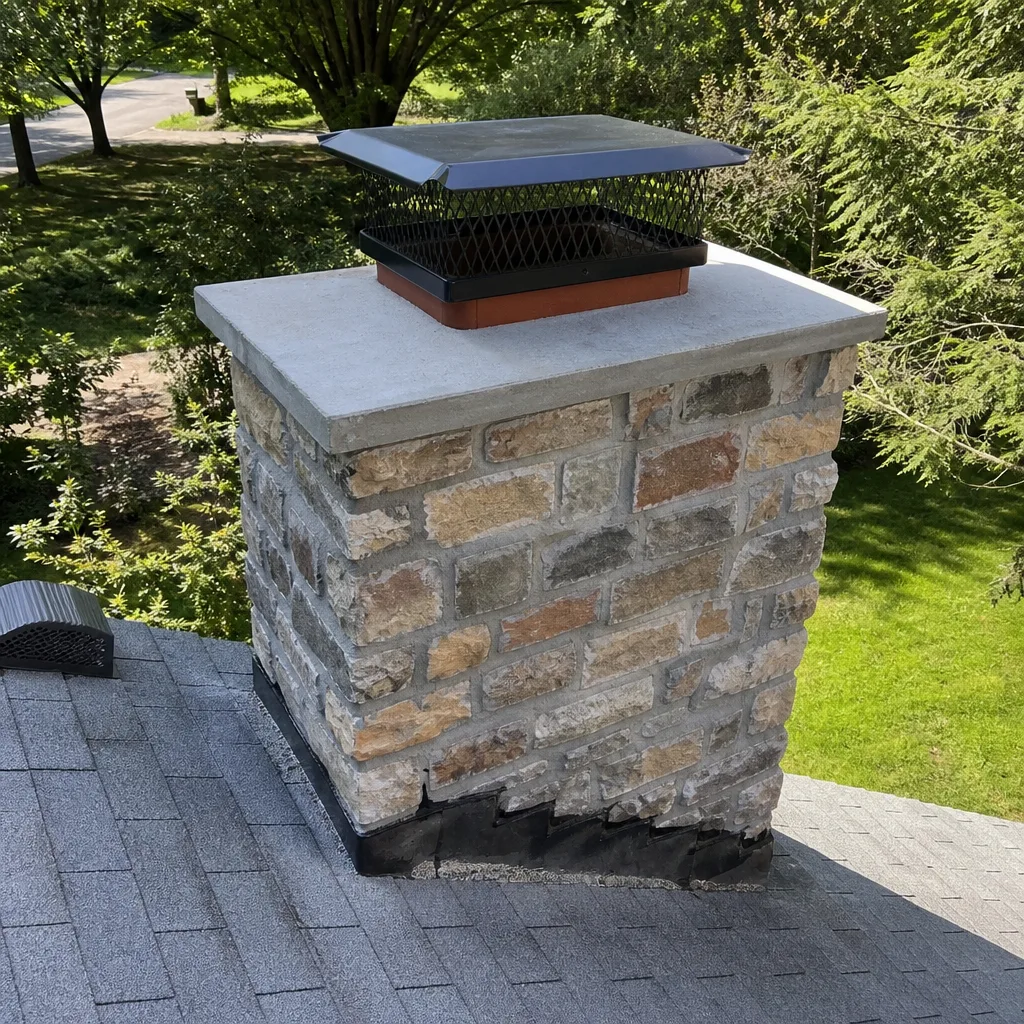 After
After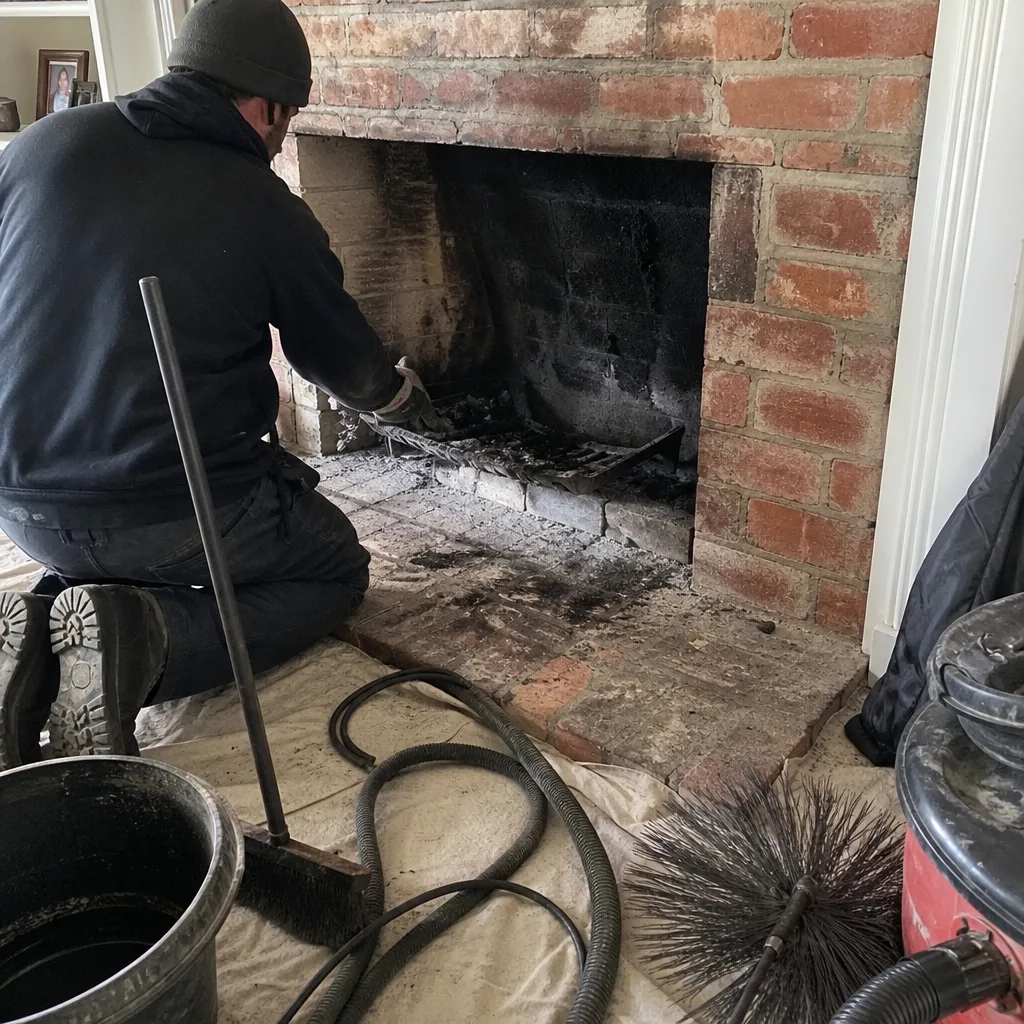 Before
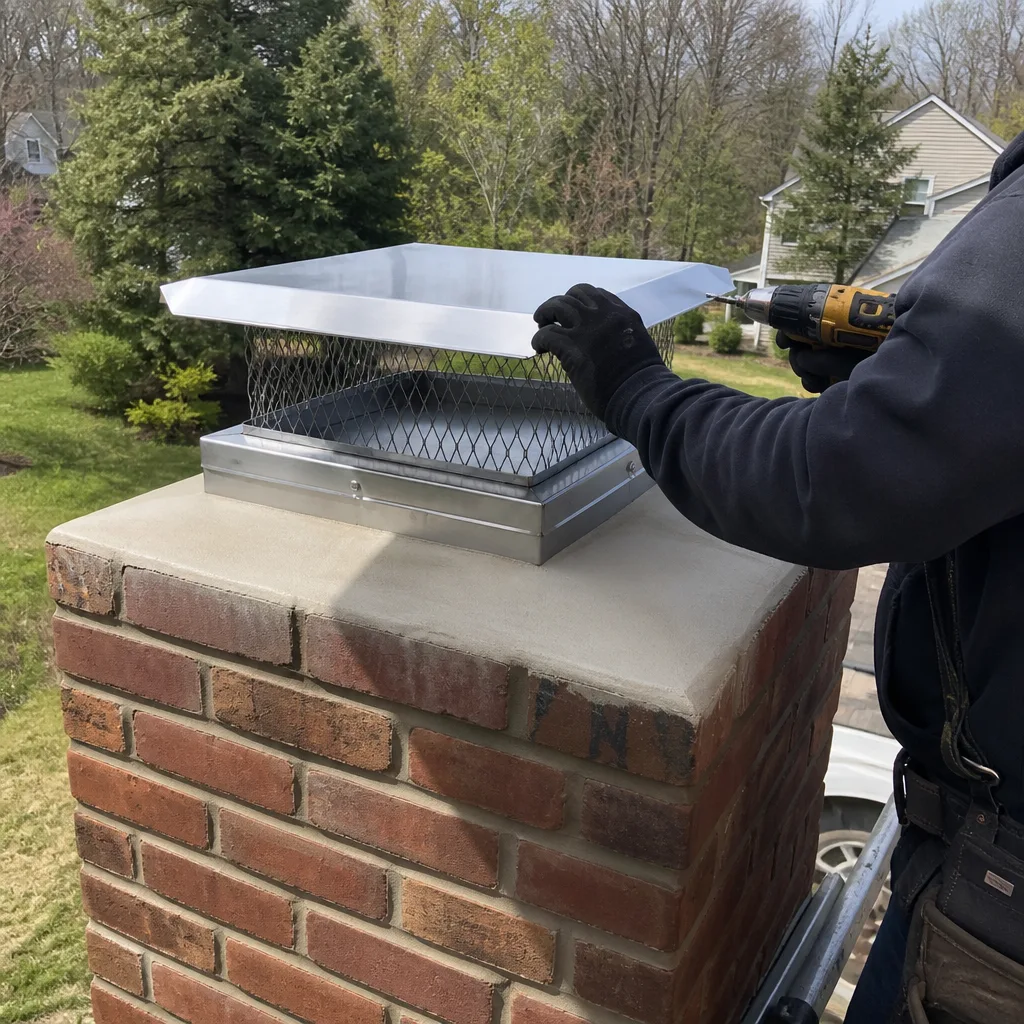 After
AfterFast, Reliable Chimney Cleaning & Sweep Across Philadelphia
A professional chimney cleaning and sweep in Philadelphia typically costs $180-$340 for a standard annual service, with Level 2 camera inspections running $250-$450 depending on flue access and stack configuration. Most Philadelphia rowhouse sweeps are completed in 60-90 minutes, and our Chimney Cleaning & Sweep team schedules seven days a week from our Philadelphia dispatch office. Call (267) 327-4785 for a written estimate before any work begins.
We’ve worked on Philadelphia chimneys since 2009. That means we’ve crawled across flat roofs in Fishtown, negotiated shared party-wall stacks in Kensington, and pulled creosote deposits from flues that haven’t been touched since the coal era. The brick rowhouses dominating South Philly, West Philly, and the river wards weren’t built for modern gas appliances. They were built for coal, retrofitted in haste during the 1950s and 60s, and now vent everything from high-efficiency furnaces to original fireplaces through flue liners that were never properly installed. Our crews know the difference between a standalone chimney and a multi-flue stack serving three units. In this city, that distinction matters.
Why Level Two Chimney Lansdale Is Philadelphia’s Preferred Chimney Cleaning & Sweep Company
We’ve completed more than 38,000 chimney inspections and cleanings since 2009, and a significant share of those have been in Philadelphia’s dense rowhouse neighborhoods. Our customers in the city aren’t looking for a song and dance. They want a camera recording of what their flue actually looks like, a written price before anyone touches a tool, and documentation they can hand to their insurance company or home inspector. That’s Clause 1 and Clause 4 of the Haven Standard, and it’s how we operate on every job.
Our Philadelphia customers leave reviews mentioning the same things repeatedly: the text alert when their tech is en route, the license number displayed on the work order, and the photo archive they receive after the visit. Background-checked, uniformed technicians are standard, not premium. Live phone support runs 24 hours a day, 7 days a week. No voicemail trees, no callback requests that disappear into a queue.
Response time to Philadelphia neighborhoods is same-week for standard sweeps, with scheduling coordinated from our Philadelphia metro office. We don’t dispatch from two hours away and charge travel fees. Our crews carry DuraFlex liner materials, HeatShield resurfacing products, and Gelco cap inventory on their trucks specifically to avoid the parts delay that stretches a one-day job into a three-week ordeal.
Our Chimney Cleaning & Sweep Services in Philadelphia
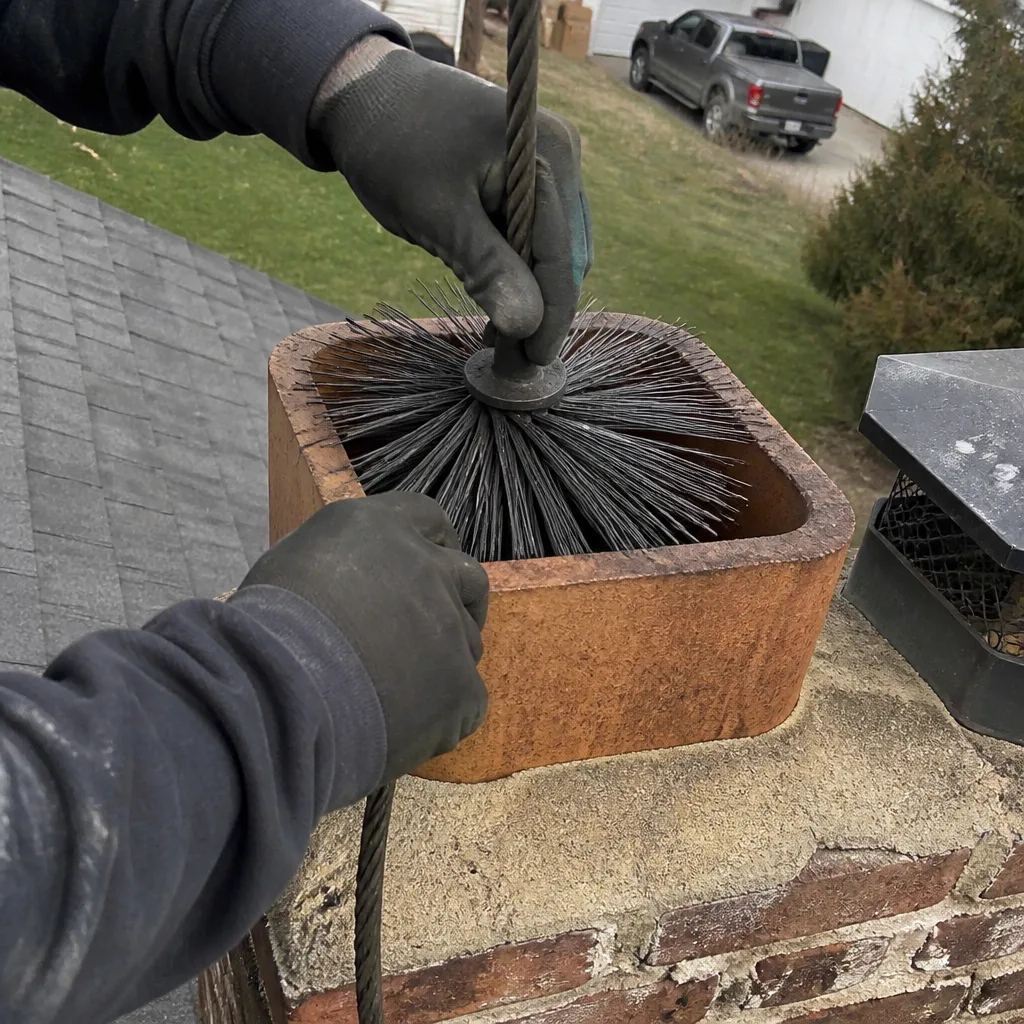
Level 1 Inspection
A Level 1 inspection is the visual examination required annually for chimneys in regular service without changes to the appliance or fuel type. In Philadelphia, this means checking the readily accessible portions of your flue, firebox, and exterior chimney structure. For a standalone furnace flue in a detached home, that’s often sufficient. For a rowhouse with a shared party-wall stack and unknown liner history, it’s rarely enough. We perform Level 1 inspections when the service history is documented and the installation is modern, but we’ll flag immediately if your flue configuration suggests deeper investigation.
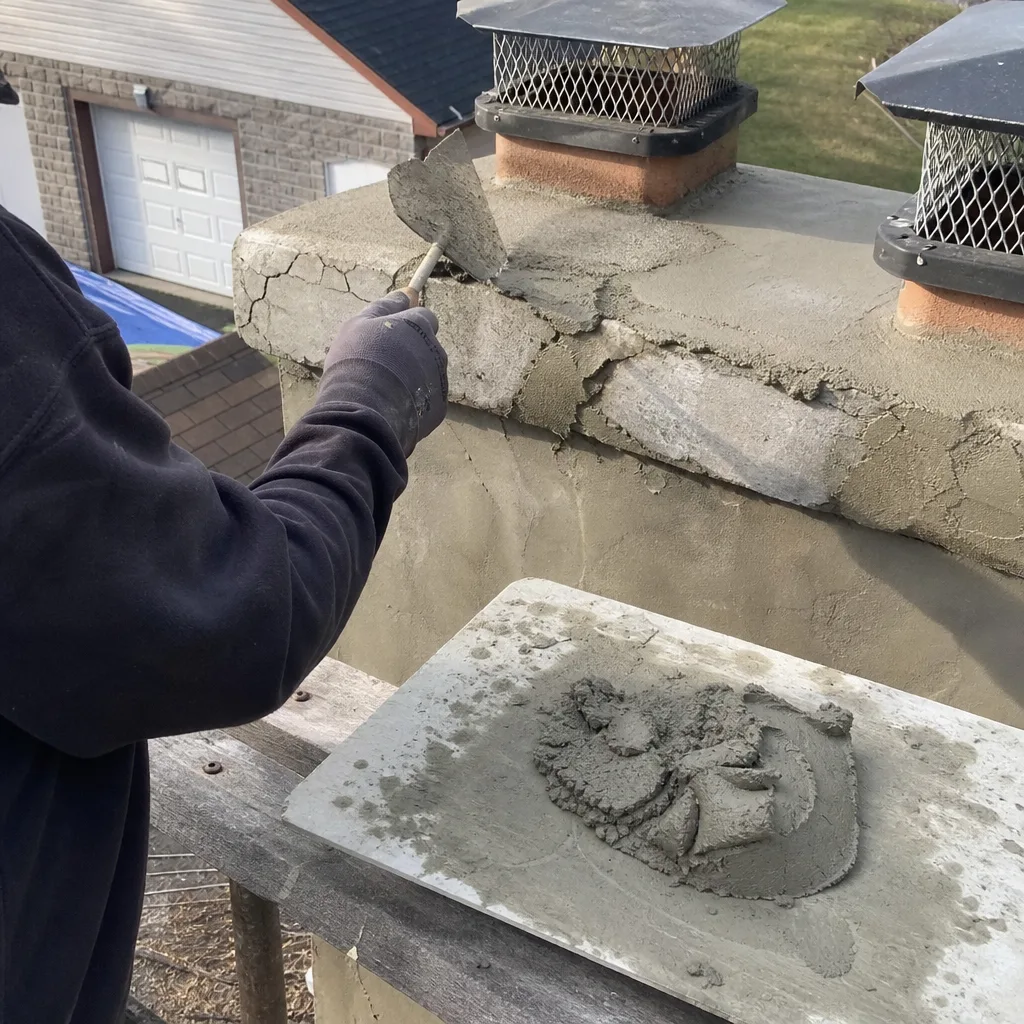
Level 2 Inspection
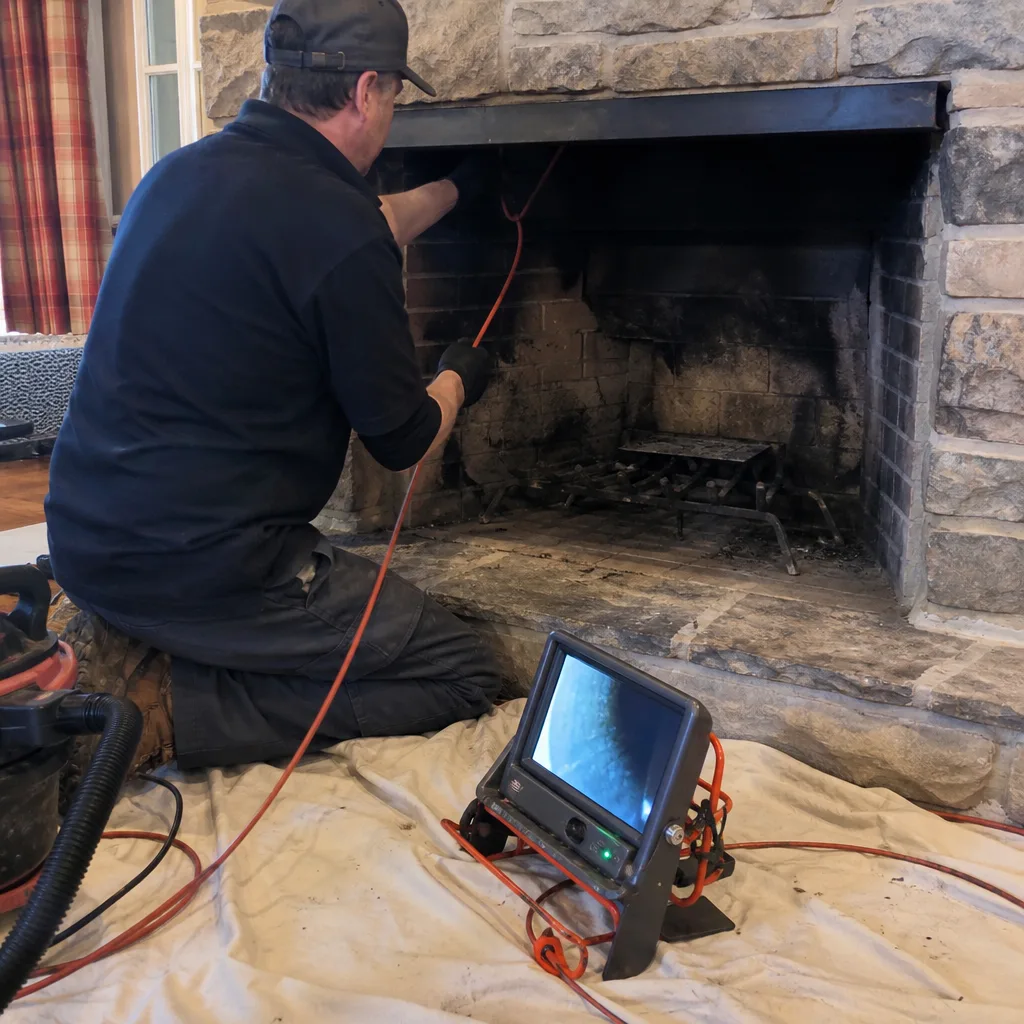
Level 2 is our default for Philadelphia rowhouses, and it’s the service that built our reputation. Under NFPA 211, a Level 2 inspection requires internal evaluation of the flue liner with a camera scan, examination of the attic and crawl space where accessible, and documentation of clearance to combustibles. In Philadelphia’s attached housing, it’s the only way to verify that your flue isn’t compromised by conditions in the adjacent unit. Clause 4 of the Haven Standard requires a documented photo record on every job, and our Level 2 inspections produce that record as standard, not as an upsell. We’ve found crumbling clay tile, missing mortar joints, and active gas-appliance vents cross-contaminating between flues - none of which are visible from the roof or the firebox alone.
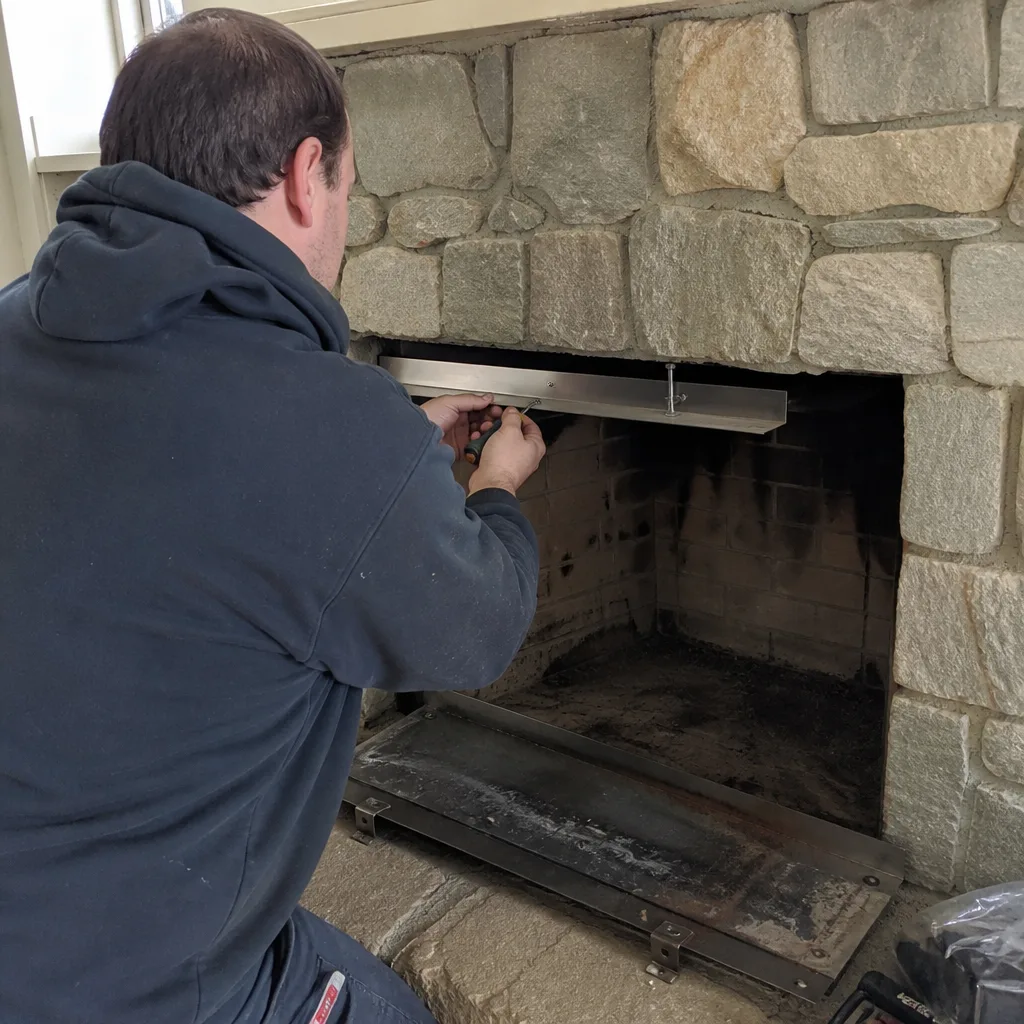
Creosote Removal
Creosote accumulates in three classes. Class I is flaky soot, removable with standard brushes. Class II is tar-like and requires rotary equipment. Class III is glazed, hardened, and often described as “dripping candle wax” - it’s the fuel for chimney fires and the condition we encounter most often in Philadelphia fireplaces that see intermittent weekend use. The freeze-thaw cycle here doesn’t directly create creosote, but it does mean homeowners delay sweeping until the heating season is underway, letting deposits harden through summer humidity. We remove Class III glazing with mechanical whipping chains and chemical conditioners, then document the bare flue surface with camera footage you can review.
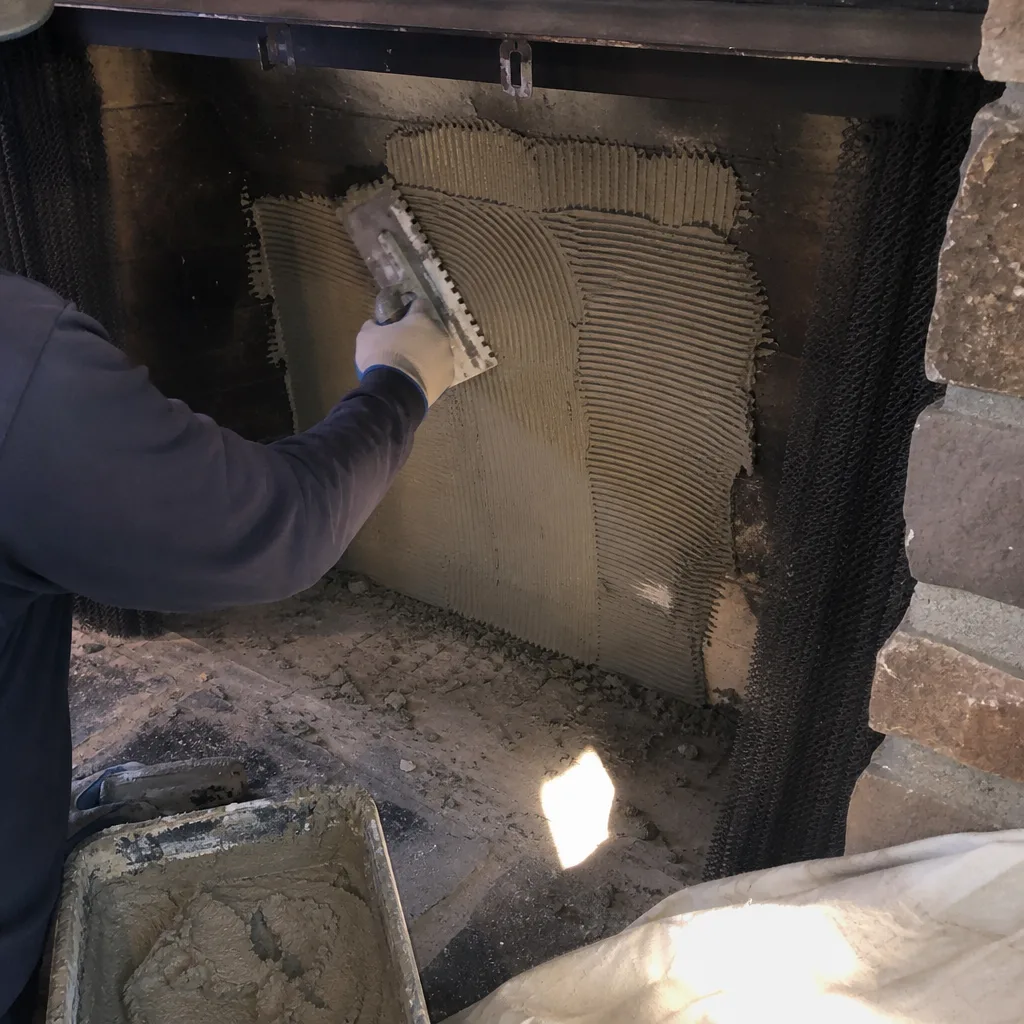
Soot Removal
Soot is primarily carbon particulate from incomplete combustion, and in Philadelphia’s older oil-to-gas conversions, it often carries sulfur compounds that accelerate flue deterioration. A standard soot removal includes HEPA-contained vacuuming of the firebox and smoke chamber, rotary brushing of the flue, and debris removal that doesn’t leave your living room coated in black dust. For properties near busy corridors like Washington Avenue or Girard Avenue, exterior soot staining on masonry is also common - we address the source (draft problems, appliance misfiring) rather than just washing the facade.
Annual Sweep
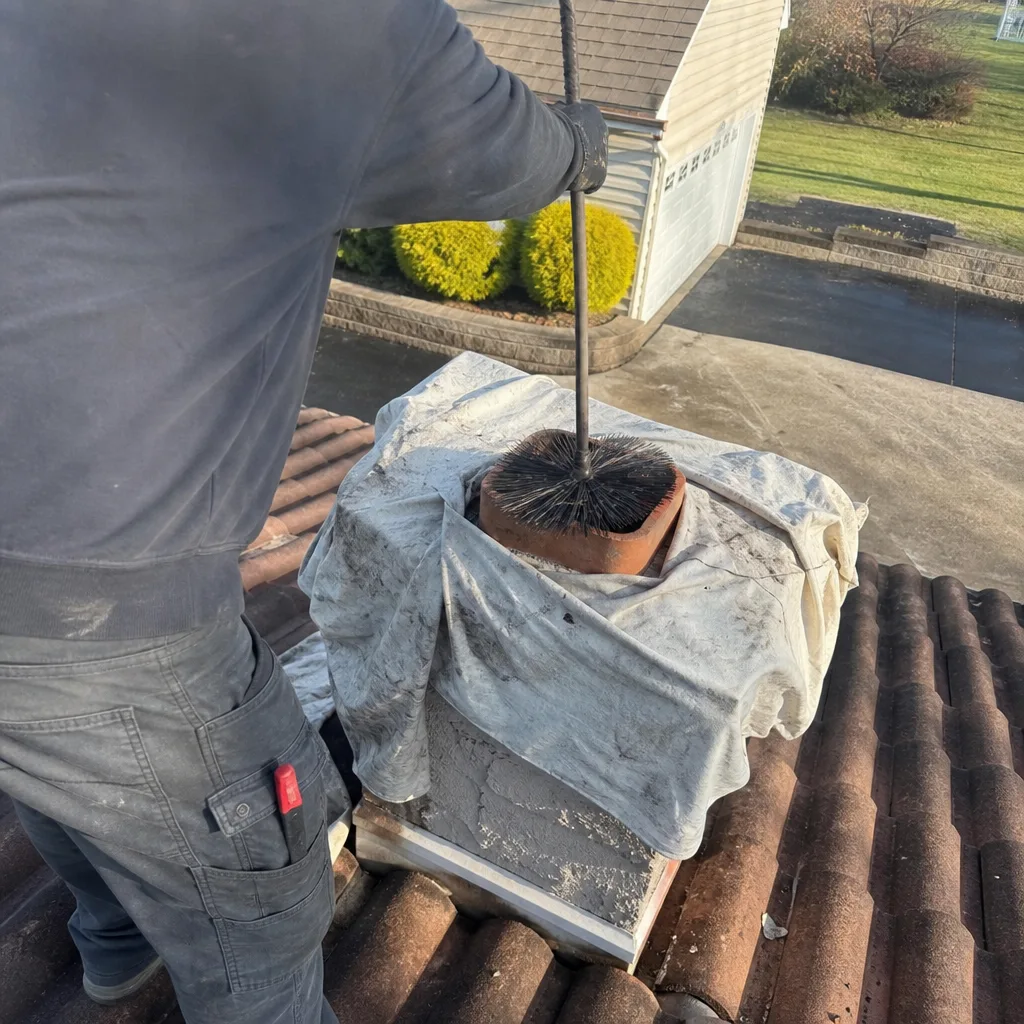
The NFPA recommends annual inspection for all chimneys, and sweeping when creosote or soot deposits exceed 1/8 inch. In Philadelphia, we push that recommendation harder for rowhouse properties because of the shared-stack risk: your flue may be clean, but a blockage or liner failure in the adjacent unit can pressurize your side, backdraft carbon monoxide, or create draft interference that draws smoke into living spaces. Our annual sweep includes a written condition report, the photo record required by Haven Standard Clause 4, and a written price for any recommended repairs before we leave.
Fireplace Cleaning
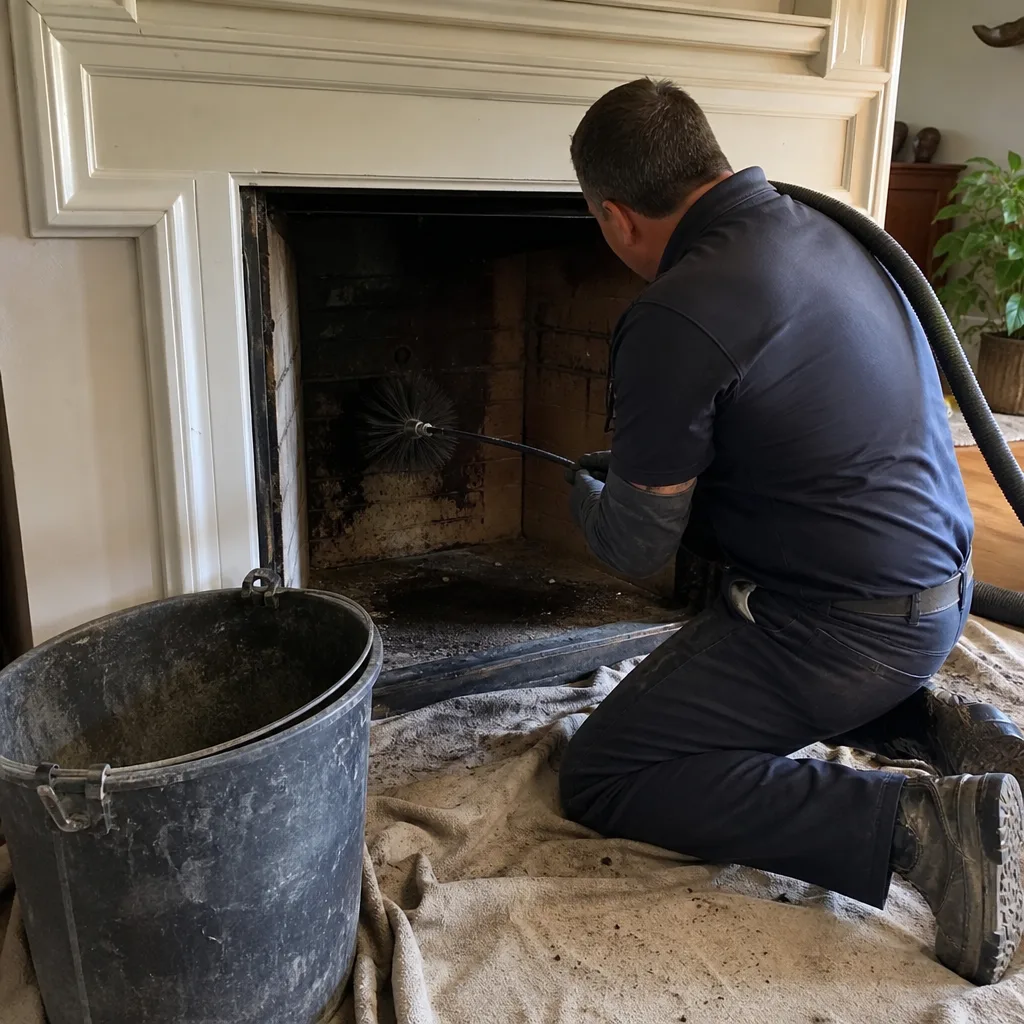
Fireplace cleaning addresses the firebox, smoke shelf, and visible damper assembly - the components that affect your immediate living space. In Philadelphia’s compact rowhouse rooms, a smoke-stained firebox or stuck damper isn’t just cosmetic; it’s a functional problem in a space where you can’t easily air out combustion odors. We clean to bare brick or refractory panel, lubricate and test the damper, and check for smoke chamber defects that could contribute to spillage.
What happens when you call
- 1
A real person answersNo phone trees - you reach a local pro.
- 2
You get an upfront price rangeHonest numbers before anyone is dispatched.
- 3
A background-checked tech heads outLicensed & insured, dispatched right away.
- 4
You approve before work beginsNothing starts until you say go.
 Before
 After
AfterTrusted Brands We Service in Philadelphia
We source materials through Haven’s buying network to keep customer prices honest: DuraFlex stainless steel liners for relining deteriorated flues, HeatShield cerfractory resurfacing for restoring pitted clay tile, and Gelco multi-flue caps for protecting shared-stack terminations on rowhouse roofs. Olympia Chimney supplies our specialty fittings for tight-clearance installations. These aren’t catalog items we order after measuring - our Philadelphia trucks carry the common diameters and configurations, so a liner compromise found during your sweep doesn’t automatically mean a return visit. For rowhouse stacks with unusual dimensions, we fabricate custom transitions from Famco and Copperfield components, documented with photos and signed off under the 365-Day Done Right Promise.
Common Chimney Cleaning & Sweep Problems We See in Philadelphia Homes
- Cross-flue contamination in shared party-wall stacks. A single chimney stack on a standard South Philly or Kensington block commonly contains three or more flues serving adjacent properties. A blockage, liner collapse, or backdraft condition in one unit can force combustion gases into a neighboring flue. Suburban chimney techs rarely encounter this. We scope every accessible flue in the stack and document shared-wall conditions with photos both owners can review.
- Original coal-era flues assumed sound because they “look fine.” Bare-brick or early clay-tile flues from the 1880-1930 construction period weren’t designed for modern gas-appliance vent temperatures and condensation patterns. Philadelphia’s aggressive freeze-thaw cycle, with temperatures crossing freezing repeatedly from November through March, spalls soft aged brick and deteriorates lime mortar. The flue may appear intact from the roof while internal spalling has already reduced effective diameter and created mortar gaps.
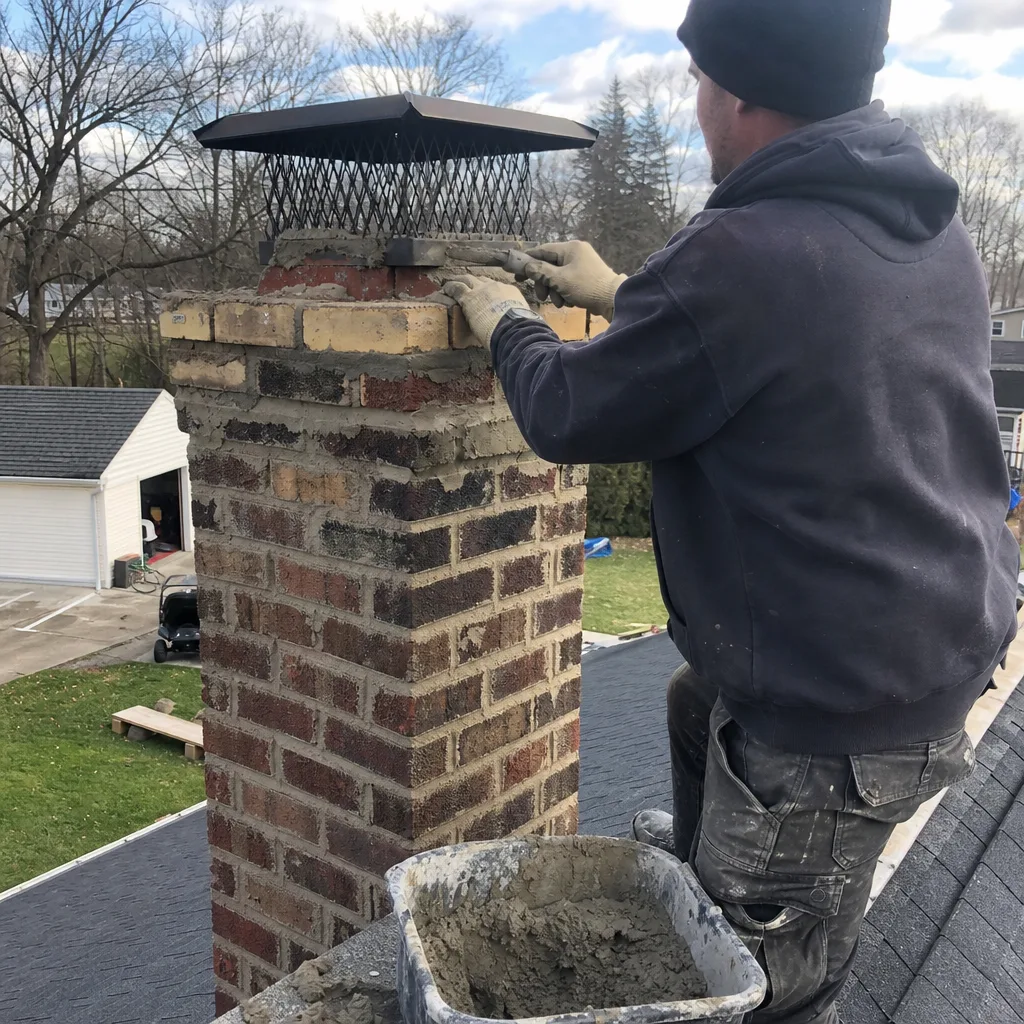
- Roof access damaging already-compromised crowns and flashings. Tight rowhouse blocks with low-slope or flat rooflines require careful ladder placement and weight distribution. Chimney crowns on these properties are already stressed by roughly 46 inches of annual precipitation. A tech who hasn’t worked Philadelphia roofs before can crack a crown or tear flashing simply by stepping wrong. Our crews carry ridge hooks, walk boards, and the patience to do it without adding damage.
- Delayed maintenance hardening creosote deposits. Philadelphia homeowners who use fireplaces intermittently - weekend fires, holidays - often skip annual sweeps, assuming light use means light buildup. Intermittent firing actually produces more creosote than consistent use because the flue never reaches sustained temperatures that would burn off deposits. By the time they call, Class III glazing requires mechanical removal rather than standard brushing.
Pricing for Chimney Cleaning & Sweep in Philadelphia, PA
| Service | Typical Range in Philadelphia |
|---|---|
| Annual Sweep (single flue, standard access) | $180 - $260 |
| Level 1 Inspection with sweep | $220 - $300 |
| Level 2 Inspection with camera scan | $250 - $450 |
| Creosote removal, Class III glazing | $320 - $480 |
| Multi-flue stack, per additional flue | $90 - $140 |
| Fireplace cleaning (firebox, smoke chamber, damper) | $160 - $240 |
What moves a job within these ranges? Access difficulty on tight rowhouse blocks. The number of flues in your stack. Whether we need to coordinate with a neighboring owner for shared-wall scoping. The condition of deposits - Class I soot is faster than Class III glaze. We deliver a written price, written scope, and written warranty before any work starts. Haven Standard Clause 1: have it in writing. Free estimates, no exceptions. Bring us a competitor’s written quote and we’ll provide a free second opinion.
We Also Serve Cities Near Philadelphia
Our Chimney Cleaning & Sweep in Philadelphia coverage extends to Fort Washington, Horsham, Ambler, and Blue Bell. Scheduling and dispatch are coordinated from our Philadelphia office, with crews carrying the same DuraFlex, HeatShield, and Gelco inventory for suburban properties with detached chimneys and standalone flues. The Haven Standard applies identically: written price first, photo record on completion, 365-Day Done Right Promise on every job.
Serving Philadelphia, PA - Our Local Coverage Area
We’re based in the Philadelphia area and know this community well. Use the map below to see our service coverage - if you’re nearby, we can almost certainly help.
FAQs - Chimney Cleaning & Sweep in Philadelphia
Yes, we can clean and inspect your individual flue, but we’ll also scope the adjacent flues in the same stack if accessible. In Philadelphia’s party-wall construction, a problem in your neighbor’s flue can pressurize or contaminate your side. We document what we can see, note any shared-stack conditions, and provide you with photos. If we find cross-flue contamination or a liner failure affecting multiple units, we’ll explain the situation and can coordinate with your neighbor if needed. Call (267) 327-4785 to schedule - estimates are free.
You don’t know without a camera inspection. Original coal-era flues in Philadelphia rowhouses are typically bare brick or early clay tile, often unlined after hasty fuel conversions in the 1950s-70s. From the firebox or roof, they may appear intact. A Level 2 camera scan reveals spalling brick, missing mortar, gaps between tile sections, or complete absence of liner material. We perform this scan as standard on Philadelphia rowhouses and show you the footage. If your flue is unlined or compromised, we’ll quote a DuraFlex stainless steel liner or HeatShield resurfacing in writing before any repair work.
Cross-flue contamination occurs when combustion gases, smoke, or carbon monoxide migrate from one flue to another within the same chimney structure. It’s more common in Philadelphia because attached rowhouses frequently share multi-flue stacks built into party walls, with minimal separation between flues and deteriorated original construction. A cracked clay tile or missing mortar joint can create a pathway between your flue and your neighbor’s active gas-appliance vent. Our camera inspection identifies these pathways. We document them with photos and recommend repairs that restore proper isolation. Call (267) 327-4785 for a free estimate.
Yes. Gas and oil appliances produce condensation, corrosive byproducts, and draft conditions that deteriorate flue liners even without wood combustion. In Philadelphia’s shared-stack rowhouses, your flue may be affected by conditions in adjacent units regardless of your own fuel use. The NFPA 211 standard recommends annual inspection for all chimneys, and our experience in Philadelphia supports that: we’ve found active liner deterioration and cross-flue contamination in properties where the owner hadn’t lit a fire in years. The inspection is $250-$450 with camera documentation, and you’ll have written evidence of your flue’s condition.
Philadelphia’s mid-Atlantic freeze-thaw cycle is the primary cause. Temperatures cross the freezing threshold repeatedly from November through March, and moisture absorbed into soft, aged brick expands when it freezes, flaking off surface material - spalling. The lime mortar used in pre-1930 construction is more permeable and less durable than modern Portland cement formulations, so it deteriorates faster. Roughly 46 inches of annual precipitation keeps the masonry wet, and flat or low-slope rowhouse rooflines often direct runoff toward rather than away from the chimney base. Annual inspection catches this early; delayed maintenance leads to structural rebuilds that cost significantly more than preventive care. Call (267) 327-4785 for a written estimate.
Written by Corrine Halstead, Owner at Level Two Chimney Co., serving Philadelphia since 2009.